Road cycling frames explained: your frame choice determines 70% of your ride quality before you even touch the pedals. The frame is the heart of your bicycle, and understanding how materials and geometry work together will help you find the perfect ride for your needs.
- Frame materials determine weight, stiffness, and comfort — carbon offers the best strength-to-weight ratio while steel provides unmatched durability
- Geometry measurements like stack and reach dictate fit and riding position — lower, longer frames are more aerodynamic while higher, shorter frames prioritize comfort
- Your riding style should drive frame choice — racers need aggressive geometry while endurance riders benefit from upright positioning
How Road Bike Frame Materials Affect Performance

The material your frame is made from affects everything from how the bike feels on rough roads to how much it weighs when climbing hills. Each material offers a different balance of weight, stiffness, comfort, and cost.
Carbon Fiber vs Aluminum vs Steel vs Titanium: What’s the Real Difference?
- Carbon Fiber: The standard for high-performance racing. It offers the best strength-to-weight ratio, allowing for extremely lightweight and stiff frames that can be tuned to absorb road vibrations. It is highly customizable in shape, allowing for aerodynamic, non-welded designs.
- Aluminum (Alloy): A popular, affordable, and durable choice. It is light and stiff, providing a very responsive, “zippy” ride. Modern aluminum frames often use specialized shaping (hydroforming) to improve comfort, though they can still feel “harsher” on rough roads compared to carbon.
- Steel (Chromoly): Valued for its durability, longevity, and “soul”—offering a smooth, natural compliance that absorbs road chatter. It is generally heavier than carbon or aluminum, making it ideal for touring or long-distance endurance rather than climbing.
- Titanium: Often considered a “forever” bike material. It combines the light weight of aluminum with the comfort of steel, while being immune to rust and corrosion. It is expensive and labor-intensive to manufacture.
How Frame Materials Impact Ride Quality and Cost
The material you choose directly impacts your riding experience and budget. Carbon fiber frames typically weigh 1.5-2.5 pounds and cost $2,000-$10,000, making them the lightest and most expensive option. Aluminum frames weigh 2.5-3.5 pounds and cost $800-$3,500, offering excellent value for performance. Steel frames weigh 3.5-5 pounds and cost $1,000-$4,000, prized for their durability and smooth ride quality. Titanium frames weigh 2.5-3.5 pounds and cost $3,000-$8,000, combining the best qualities of both carbon and steel.
Stiffness versus comfort is a key trade-off. Carbon fiber can be engineered to be stiff where needed for power transfer while remaining compliant over bumps. Aluminum tends to be uniformly stiff, which can feel harsh on long rides. Steel naturally absorbs vibrations, providing a comfortable ride even on rough roads. Titanium offers a middle ground with excellent vibration damping.
Durability and maintenance also vary by material. Carbon fiber requires careful handling to avoid damage from impacts. Aluminum is very durable but can develop fatigue cracks over time. Steel can rust if not properly maintained but is highly repairable. Titanium is virtually immune to corrosion and can last decades with minimal maintenance. To keep your investment in top condition, follow a Complete Bike Maintenance Checklist Every Cyclist Should Follow.
Understanding Road Bike Frame Geometry
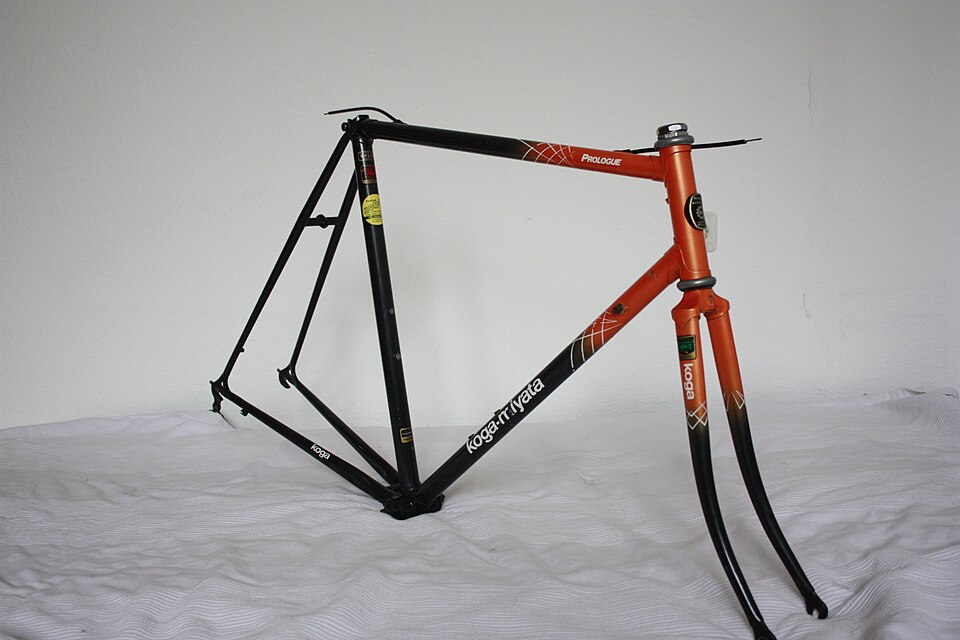
Geometry determines how a bike handles and fits your body. Even two bikes made from the same material can feel completely different based on their geometric design.
Stack and Reach: The Most Important Fit Measurements
Stack is the vertical height from the bottom bracket to the head tube, while reach is the horizontal distance between these points. These two measurements are the most critical for determining if a frame will fit you properly. A lower, longer frame (low stack, long reach) is more aerodynamic and “race-oriented,” positioning you in a forward-leaning posture that reduces wind resistance. A higher, shorter frame (high stack, short reach) is more “endurance-oriented,” keeping you in a more upright position that reduces strain on your back and neck during long rides.
To find your ideal stack:reach ratio, measure your current bike’s dimensions and consider your flexibility and riding goals. Most endurance bikes have a stack:reach ratio above 1.5, while race bikes typically fall below 1.4. If you’re unsure, a ratio between 1.45-1.55 offers a good balance for most recreational riders.
Head Tube Angle and Chainstay Length: Handling Characteristics
Head tube angle affects steering responsiveness. A steeper angle (closer to 90°) means faster, more responsive steering suited to criteriums and technical courses where quick direction changes are needed. A slacker angle provides stability, often found on endurance bikes and gravel bikes where high-speed stability is more important than lightning-quick handling.
Chainstay length influences both handling and power transfer. Shorter chainstays (16-16.5 inches) offer quicker handling and better power transfer for climbing, making the bike feel more agile and responsive. Longer chainstays (16.5-17 inches) improve stability and allow for wider tires, which is beneficial for endurance riding and mixed terrain.
Wheelbase and Frame Types: Stability vs Agility
Wheelbase is the distance between the front and rear axles. A longer wheelbase increases stability at high speeds, making the bike feel more planted and secure when descending or riding in a pack. A shorter wheelbase makes the bike more agile and responsive, ideal for racing and technical riding where quick maneuvers are essential.
Frame types are designed around these geometric principles. Race/performance frames feature a lower, more aggressive, and aerodynamic riding position with twitchy handling that rewards skilled riders. Endurance/sportive frames are built for comfort, featuring a more upright position, longer wheelbase, and stability for long-distance riding. Aero frames are specifically designed to minimize aerodynamic drag, often featuring deeper tube shapes and more aggressive, forward-leaning positioning.
How Frame Choice Affects Riding Style

Your riding goals should drive your frame selection. The right combination of material and geometry can transform your cycling experience. If you’re just starting out, consider following a structured approach with a Beginner Cycling Training Plan: Build Your Fitness Safely to complement your frame choice.
Race vs Endurance vs Aero: Which Frame Fits Your Goals?
- Race/Performance: Features a lower, more aggressive, and aerodynamic riding position with twitchy handling. Ideal for criteriums, road races, and time trials where every second counts. Best paired with carbon fiber for maximum stiffness and minimum weight.
- Endurance/Sportive: Built for comfort, featuring a more upright position, longer wheelbase, and stability for long-distance riding. Perfect for century rides, gran fondos, and recreational cycling. Often uses aluminum or steel for durability and comfort.
- Aero: Specifically designed to minimize aerodynamic drag, often featuring deeper tube shapes and more aggressive, forward-leaning positioning. Excellent for time trials, triathlons, and flat road racing. Typically uses carbon fiber for shape optimization and weight savings.
Real-World Performance: What Frame Choice Means for Your Rides
Climbing performance is heavily influenced by frame weight and geometry. Shorter chainstays and lighter materials like carbon fiber excel on steep climbs, allowing you to accelerate quickly and maintain speed on rolling terrain. Steel frames, while heavier, provide excellent power transfer and can feel more stable on technical climbs.
Long-distance comfort becomes crucial on rides over two hours. Endurance geometry with its upright position reduces strain on your back, neck, and hands. Materials with natural compliance like steel or titanium absorb road vibrations that would otherwise fatigue you. Wider tire clearance, often found on endurance frames, allows you to run lower pressures for additional comfort.
Racing performance demands a different approach. Aerodynamic positioning and frame stiffness matter most when you’re trying to maintain high speeds in a pack or break away from the group. Carbon fiber’s ability to be molded into aerodynamic shapes while remaining lightweight makes it the material of choice for competitive racing.
Mixed terrain riding requires a balanced approach. Gravel and adventure riding benefit from durable materials like steel or titanium, combined with geometry that offers stability without sacrificing agility. Frame features like rack mounts, wider tire clearance, and disc brake compatibility become important considerations. You might also want to explore Finding the Best Cycling Routes Near You: A Local Guide to discover new mixed-terrain adventures.
The perfect road bike frame isn’t about having the most expensive carbon or the trendiest geometry — it’s about matching materials and measurements to your body and riding style. If you’re unsure where to start, visit a local bike shop and ask to test ride three different frame materials back-to-back. The one that feels most comfortable after 20 minutes is likely your best choice, regardless of what the spec sheet says. For those new to the sport, you might also want to check out some Essential Cycling Tips for Beginners Starting Their Journey to build confidence on the road.
- Frame materials determine weight, stiffness, and comfort — carbon offers the best strength-to-weight ratio while steel provides unmatched durability
- Geometry measurements like stack and reach dictate fit and riding position — lower, longer frames are more aerodynamic while higher, shorter frames prioritize comfort
- Your riding style should drive frame choice — racers need aggressive geometry while endurance riders benefit from upright positioning
- Top Road Bike Reviews 2024 — See how different frames perform in real-world testing