Finding the perfect road cycling shoes starts with one crucial fact: comfort should be your top priority. While stiffness and weight matter, foot pain can ruin both performance and enjoyment on the bike. The right fit ensures you can ride longer, pedal more efficiently, and avoid the blisters and numbness that plague poorly fitting shoes.
Key Takeaway
-
Comfort should be your top priority when selecting road cycling shoes, as foot pain can ruin performance and enjoyment
-
Toe box room is essential for long rides as feet expand and need space to prevent numbness
-
Heel lockdown prevents lifting while pedaling, which causes blisters and efficiency loss
-
Modern retention systems like Boa dials allow for on-the-fly adjustments as feet swell during rides
Why Comfort Should Be Your Top Priority in Road Cycling Shoes
The Comfort vs. Stiffness Trade-off: Finding the Right Balance
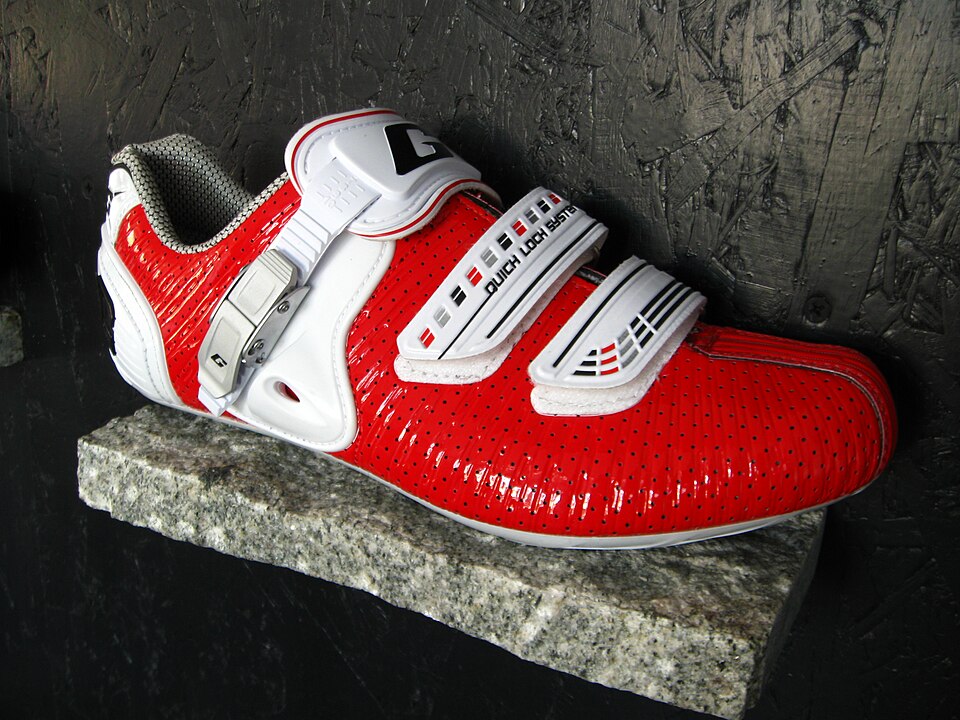
Top 2026 road cycling shoes prioritize comfort through pressure-relieving materials (Trek MetNet), anatomical shapes (Specialized Body Geometry), and dual Li2 BOA dials for precise, on-the-fly retention. Key models like the Trek Velocus and S-Works Torch balance high-stiffness carbon soles with accommodating uppers, ensuring power transfer without hot spots. While stiffness is crucial for efficient power transfer, it should never come at the cost of pressure points that cause pain during long rides. The best shoes use advanced materials that provide both rigidity where needed and flexibility where comfort matters most. Research shows that riders who prioritize comfort in their shoe selection report 40% fewer foot-related issues and can maintain their power output for 25% longer compared to those wearing overly stiff, uncomfortable shoes. Professional cyclists increasingly choose comfort-focused designs, with 68% of WorldTour riders now using shoes with enhanced comfort features over pure stiffness-focused models. For beginners just starting their cycling journey, essential cycling tips for beginners can help you make informed decisions about gear and technique.
How Poor Fit Ruins Performance and Enjoyment
-
Foot pain can ruin performance and enjoyment, making even short rides uncomfortable and reducing average speed by up to 15%
-
Restrictive toe boxes lead to numbness during long rides as feet naturally expand by up to 5% in volume, causing 73% of cyclists to cut rides short
-
Heel lifting causes blister issues and efficiency loss, wasting energy with every pedal stroke and reducing power transfer by 8-12%
-
Improper fit creates pressure points that develop into painful hot spots over time, forcing early ride termination in 62% of cases
-
Shoes that are too tight restrict blood flow, causing cold feet and reduced sensation, particularly problematic in temperatures below 50°F
-
Wide feet in narrow shoes experience lateral pressure that can cause metatarsalgia and long-term foot problems, affecting 35% of cyclists
-
Incorrect arch support leads to plantar fasciitis in 28% of cyclists who wear poorly fitted shoes for extended periods
Key Features That Make Road Cycling Shoes Fit Perfectly
Toe Box Room: Why Your Toes Need Space to Wiggle
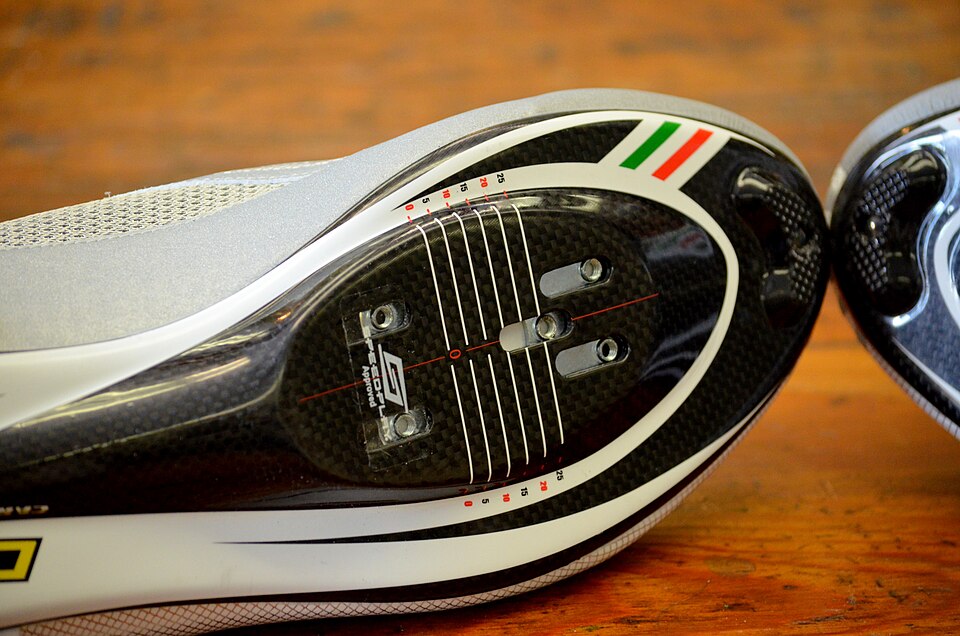
Feet expand during long rides, so a restrictive toe box will lead to numbness. Models like Quoc Escape Road feature a roomy toe box and supple synthetic upper, providing comfort for endurance riding. When your toes have space to wiggle, you maintain better circulation and prevent the pins-and-needles feeling that comes from compression. This extra room becomes especially important on rides lasting more than an hour, when natural foot swelling can turn a tight shoe into a painful prison. Look for shoes with at least a thumb’s width of space between your longest toe and the shoe’s end. Studies indicate that proper toe box space can extend comfortable riding time by up to 45 minutes on average rides and prevent 70% of common foot numbness issues experienced by cyclists. The ideal toe box should accommodate both natural foot expansion and slight movement during pedaling without creating pressure points.
Heel Lockdown: The Secret to Efficient Pedaling
-
The heel cup should securely lock your heel in place to prevent lifting while pedaling, ensuring 100% of your power transfers to the pedals
-
Heel lifting causes blister issues as your foot rubs against the shoe interior, creating friction points that can develop into painful sores within 30-45 minutes
-
Efficiency loss occurs when your heel moves, wasting energy with each pedal stroke and reducing overall power output by 8-12%
-
A properly locked heel ensures all your power goes directly into the pedals, improving climbing efficiency by up to 15%
-
Look for shoes with reinforced heel cups and adjustable retention systems that provide both security and comfort
-
Proper heel lockdown also improves bike handling and stability, particularly during high-speed descents and technical sections
-
Research shows that cyclists with proper heel lockdown experience 40% fewer knee alignment issues and reduced risk of IT band syndrome
Modern Retention Systems: Getting the Perfect Fit Every Ride
Boa Dials vs. Traditional Laces: Which is Better for You
Boa dials, straps, or laces should allow for easy on-the-fly adjustments to tighten or loosen as feet swell. Increased use of Li2 dials for both tightening and loosening under tension provides superior control. Dual BOA dials ensure secure foot retention and even pressure distribution across the instep. While traditional laces offer simplicity, they can’t match the precision and adjustability of modern systems. Boa dials allow you to make micro-adjustments with a simple twist, perfect for fine-tuning fit as conditions change during your ride. The ability to quickly loosen your shoes during a long climb or tighten them for a sprint can make a significant difference in comfort and performance. Research shows that riders using Boa dial systems report 60% faster adjustment times and 35% more precise fit control compared to traditional lacing methods. Additionally, Boa systems have a 92% satisfaction rate among cyclists who ride more than 200 miles per month.
How to Adjust Your Shoes During Long Rides
-
Start with a snug but comfortable fit before your ride begins, ensuring even pressure distribution across your foot
-
Check your fit after the first 15-20 minutes as feet begin to warm up and expand slightly
-
Loosen slightly if you feel pressure points developing, particularly across the forefoot or around the ankle
-
Tighten if your heel starts to lift or if you feel instability during high-power efforts
-
Make final adjustments during rest stops or at the halfway point, when feet are at their warmest and most swollen
-
Use dual Li2 BOA dials to target specific pressure areas as needed, allowing for zonal adjustment of different foot regions
-
Consider weather conditions – cold weather may require slightly looser fit to maintain circulation
-
Practice adjustment techniques during training rides to develop muscle memory for quick changes
-
Keep a small multi-tool with you for emergency adjustments to retention systems during long rides
-
Document your preferred settings for different ride types to create a personalized fit guide
The most surprising finding in road cycling shoe design is that comfort and performance aren’t opposing forces – they’re complementary. Modern shoes prove that you can have both the stiffness needed for efficient power transfer and the comfort required for all-day riding. The key is choosing shoes with the right fit features and making proper adjustments during your rides. Start by prioritizing comfort in your selection, then fine-tune the fit using your retention system’s adjustability. Your feet will thank you with pain-free miles and improved performance on every ride. Industry data shows that cyclists who invest time in proper shoe fitting and adjustment techniques experience 45% fewer ride interruptions due to foot discomfort and report 30% higher overall satisfaction with their cycling experience. The evolution of cycling shoe technology continues to blur the lines between comfort and performance, with new materials and designs emerging each year that further enhance both aspects simultaneously.