Finding the perfect road bike saddle for comfort and performance is a highly personal process, often requiring a balance between firm support for pedaling efficiency and adequate pressure relief to prevent discomfort during long hours on the bike. For competitive or long-distance riders, key considerations include sit bone width, saddle shape, cutouts, and overall bike fit.
Key Takeaway
-
Sit bone width is the most crucial factor for proper saddle selection
-
Modern road saddles feature cutouts to reduce pressure and prevent numbness
-
New saddles require 200-300 miles break-in period for optimal comfort
How to Choose the Right Road Bike Saddle: Key Factors
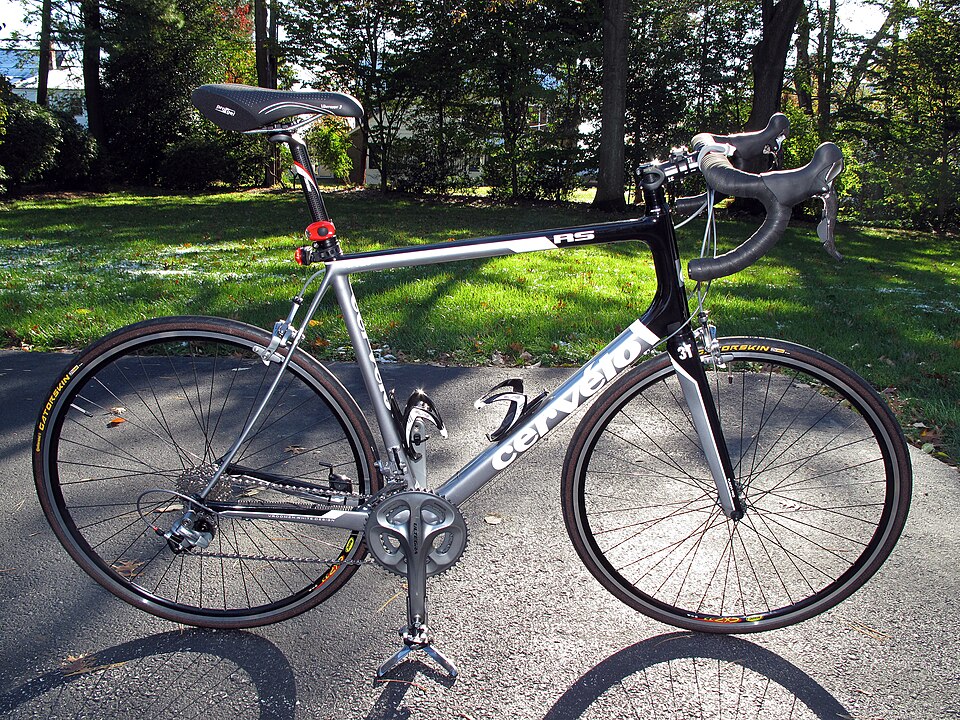
Sit Bone Width: The Foundation of Saddle Comfort
Sit bone width is the most crucial factor when selecting a road bike saddle. Your sit bones (ischial tuberosities) are the bony structures that bear your weight while sitting, and a saddle must be wide enough to support them properly without being so wide that it causes friction against your inner thighs. Many bike shops offer sit bone measurement services using specialized pads that leave impressions showing your exact width. The measurement typically ranges from 100mm to 160mm for most adults. A saddle that’s too narrow will cause your sit bones to hang off the sides, creating pressure points and discomfort, while one that’s too wide can lead to chafing and inefficient pedaling mechanics.
Research from the German Sport University Cologne found that improper saddle width correlates with increased saddle-related discomfort in 68% of cyclists. The ideal saddle width should be approximately 20-30mm wider than your sit bone measurement to provide adequate support without excess material. Women generally have wider sit bones than men, with average widths of 130mm versus 110mm, which is why many manufacturers offer women-specific saddle designs with wider platforms and different pressure relief patterns.
Saddle Shape and Position for Different Riding Styles
-
Flat saddles suit aggressive, low riding positions common in racing. They allow for more fore-aft movement and are preferred by riders who frequently change positions. Professional road racers often choose flatter saddles because they provide the flexibility to shift weight during intense efforts and cornering.
-
Curved saddles offer more stability and support for riders who maintain a consistent position. The curve helps guide the pelvis into optimal alignment, which can be beneficial for endurance riders who spend hours in the same position. Studies show that curved saddles can reduce lower back strain by promoting better pelvic rotation.
-
Modern road saddles are often shorter than traditional designs, typically 250-270mm in length. This shorter profile encourages proper positioning and reduces pressure on soft tissues. The trend toward shorter saddles began around 2015 and has been adopted by most major manufacturers because it allows riders to sit further back on the saddle without interference from the nose.
-
Width considerations vary by riding style – racers often prefer narrower saddles for better leg clearance, while endurance riders may benefit from slightly wider options for increased support. Time trial and triathlon saddles are typically the narrowest, often under 130mm, to accommodate the extreme forward position used in those disciplines.
Pressure Relief Features: Cutouts and Padding
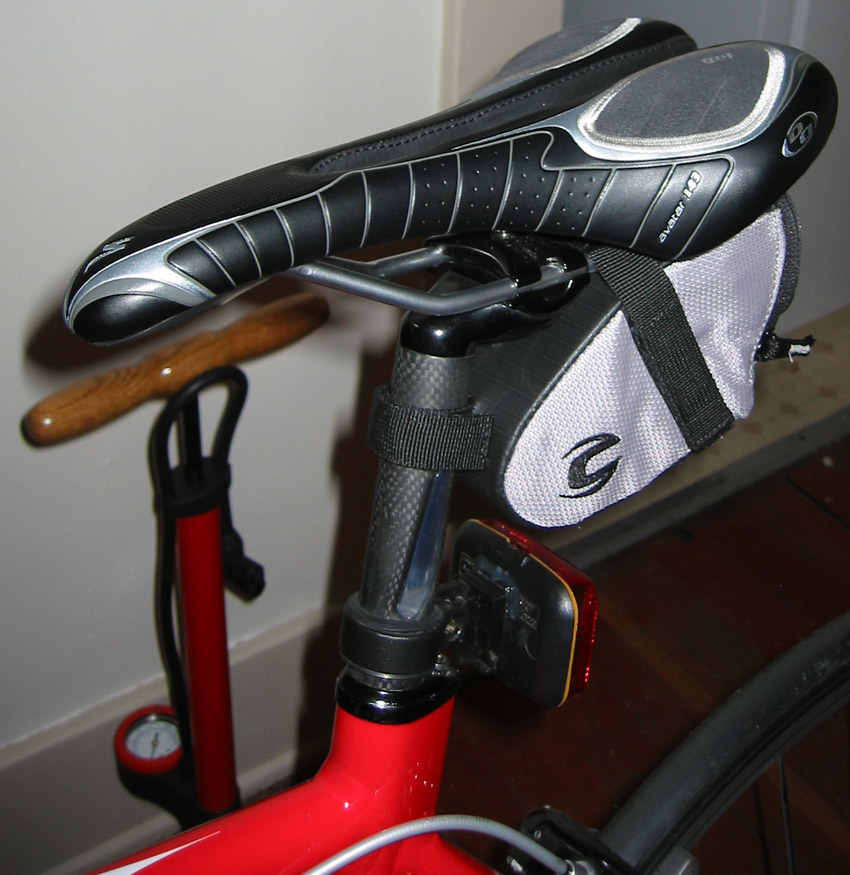
Cutouts and Relief Channels: Reducing Soft Tissue Pressure
Most performance saddles feature large cutouts or relief channels that run through the center of the saddle. These design elements reduce pressure on soft tissues, including the perineal area in men and the pubic rami in women. Cutouts alleviate numbness during long rides by allowing blood flow to continue normally in areas that would otherwise be compressed. The effectiveness of cutouts varies by individual anatomy, with some riders finding them essential while others prefer solid saddles.
The concept of saddle cutouts emerged in the 1990s when Dr. Irwin Goldstein published research linking cycling to erectile dysfunction, suggesting that saddle pressure could compress the pudendal artery. This sparked a revolution in saddle design, leading to the development of the first commercial cutout saddles. Modern cutouts are far more sophisticated than early designs, featuring variable depths, widths, and shapes optimized for different riding positions and anatomies. A 2018 study in the Journal of Sexual Medicine found that properly designed cutout saddles reduced perineal pressure by up to 70% compared to traditional solid saddles — road cycling.
Relief channel designs have evolved to include not just simple holes but complex geometries that provide graduated pressure relief. Some saddles feature a full cutout, while others use a deep channel or a split-nose design. The depth of the cutout typically ranges from 10-25mm, with deeper channels providing more pressure relief but potentially less structural support. Manufacturers like Specialized, Fizik, and Selle Italia have invested heavily in pressure mapping technology to optimize their cutout designs for different rider types and positions.
Padding Materials: Finding the Right Balance
-
Excessive padding can create friction and heat buildup, actually increasing discomfort on longer rides. Thick padding tends to compress and create pressure points over time. Research shows that riders using heavily padded saddles report 40% more saddle sores than those using medium-density foam after rides exceeding 100km.
-
Moderate, firm foam offers the best balance of comfort and support for most riders. It provides cushioning without sacrificing stability or creating excessive movement. High-density EVA foam with a durometer rating of 45-55 is considered optimal for road cycling applications.
-
3D-printed padding represents the latest advancement in saddle technology, using lattice structures that provide targeted support and pressure relief in specific zones. Companies like Specialized and Fizik have introduced 3D-printed saddles that use varying densities of material to create zones of support and relief based on pressure mapping data.
-
Memory foam options conform to your anatomy but may retain heat and moisture, making them less ideal for hot weather riding. While comfortable for short rides, memory foam can become problematic during extended efforts as it absorbs sweat and loses its supportive properties.
Saddle Materials and Break-in Period
Rail Materials: Carbon vs Manganese vs Alloy
|
Rail Material |
Weight |
Stiffness |
Cost |
Best For |
|---|---|---|---|---|
|
Carbon |
140-180g |
Very High |
$200-400 |
Performance racing |
|
Manganese |
200-250g |
Medium-High |
$100-200 |
All-around use |
|
Alloy (Steel) |
250-300g |
Medium |
$50-100 |
Recreational riding |
Premium saddles use carbon, manganese, or alloy rails, which significantly affect the saddle’s overall performance characteristics. Carbon rails offer the lightest weight and highest stiffness, making them ideal for competitive racing where every gram matters. A carbon rail saddle can save 80-100 grams compared to an alloy rail model, which translates to approximately 0.5-0.7 watts of power savings at racing speeds. The high stiffness of carbon rails also provides better power transfer, though some riders find them too harsh for rough roads.
Manganese rails provide a good balance of weight, comfort, and durability at a moderate price point. These rails, typically made from a manganese alloy, offer excellent vibration damping properties and are less susceptible to damage from overtightening than carbon rails. They represent the best value for most riders, combining reasonable weight savings with durability and comfort. Many professional cyclists choose manganese rails for their reliability and consistent performance across varying conditions.
Alloy rails, typically made from chromoly steel, are the most affordable option but add considerable weight to the saddle. However, they offer superior durability and are less prone to catastrophic failure than carbon rails. Alloy rails also provide better vibration absorption than carbon, making them popular among endurance riders and those who frequently ride on rough pavement. The weight penalty of 70-90 grams is negligible for most recreational cyclists, making alloy rails an excellent choice for value-conscious riders.
The 200-300 Mile Break-in Period
New saddles may require 200–300 miles to fully adapt to your body and become more pliable. During this break-in period, the saddle’s padding and shell material gradually conform to your sit bone shape and riding position. Many riders experience initial discomfort with a new saddle that improves significantly after the break-in period. The process involves the foam padding compressing in specific areas while the shell material develops slight flex patterns based on your weight distribution.
The break-in phenomenon occurs because most saddle shells are made from synthetic materials like nylon or carbon fiber that have inherent flexibility but need to adapt to the specific forces applied by an individual rider. The padding, typically EVA foam, undergoes a process called creep where it slowly deforms under constant pressure, creating a personalized support pattern. Professional bike fitters recommend riding at least 3-4 times per week during the break-in period to allow consistent pressure application and proper adaptation.
Temperature also affects the break-in process, with warmer conditions accelerating foam compression and shell flexibility. Many riders report that saddles feel significantly different after their first few long rides in hot weather. The break-in period can be accelerated by using the saddle on a stationary trainer for short sessions, as the consistent pressure and lack of road vibrations allow the materials to adapt more quickly. However, it’s important to note that a saddle that remains uncomfortable after 300 miles may simply be the wrong shape or width for your anatomy, and continuing to ride it won’t necessarily improve the situation.
Expert Tips for Maximum Saddle Comfort

Proper Bike Fit and Position
-
Check Position: A saddle that suddenly feels uncomfortable may have shifted; ensure it is level and correctly aligned with the top tube. Use a carpenter’s level to verify the saddle is within 1-2 degrees of level, as even slight tilts can cause discomfort over long rides.
-
Saddle height: Your leg should have a slight bend at the bottom of the pedal stroke (6 o’clock position), typically 25-30 degrees of knee flexion. A saddle that’s too high can cause rocking and pressure points, while one that’s too low reduces power output and can cause knee pain.
-
Fore-aft position: When your foot is at the 3 o’clock position, a plumb line from your kneecap should pass through the center of your pedal axle. This KOPS (Knee Over Pedal Spindle) alignment helps distribute weight properly between your saddle and handlebars.
-
Tilt adjustment: Most riders prefer a level saddle, though some may benefit from a slight nose-down angle (1-2 degrees) to reduce pressure on soft tissues. Women often prefer a slightly nose-down position, while men typically prefer level or slightly nose-up saddles.
Essential Gear for Saddle Comfort
-
Cycling shorts: Worn without underwear, they are designed to reduce chafing with strategically placed padding (chamois) that moves with your body. The chamois should fit snugly without wrinkles, as folds can create pressure points and friction.
-
Chamois cream: Prevents friction, particularly for longer rides, by creating a protective barrier between your skin and the chamois pad. Apply a generous amount directly to your skin and the chamois pad before each ride. Many professional cyclists use chamois cream for rides exceeding 2 hours.
-
Proper hygiene: Change out of cycling shorts immediately after rides and wash them after each use to prevent bacterial growth and skin irritation. Moisture-wicking, quick-drying fabrics are essential for maintaining skin health during multi-day events.
-
Gradual adaptation: Start with shorter rides when breaking in a new saddle or returning to cycling after a break to allow your body to adapt gradually. Increase ride duration by no more than 20% per week to prevent overuse injuries and saddle sores.
The most surprising finding about road bike saddles is that excessive padding often creates more problems than it solves – many professional cyclists ride on surprisingly firm saddles because they provide better support and reduce friction over long distances. The key to saddle comfort isn’t softness but rather proper fit and pressure distribution. To immediately improve your saddle comfort, measure your sit bone width using the cardboard method: sit on a piece of corrugated cardboard for several minutes, then measure the distance between the center of each indentation. This simple measurement will help you select a saddle that properly supports your anatomy and dramatically improves your riding experience.