Choosing the right road bike tire depends on balancing performance, maintenance, and budget. The three main types—clincher, tubeless, and tubular—each offer distinct advantages regarding speed, puncture protection, and ease of use.
- Clincher tires are the most common type, featuring a separate inner tube inside a tire with a bead that hooks onto the rim
- Tubeless tires operate without an inner tube, using liquid sealant to create an airtight seal between the tire and a tubeless-compatible rim
- Tubular tires are traditional racing tires where the tube is sewn inside the casing, and the entire unit is glued or taped to a specific tubular rim
Clincher Tires: The Standard Choice for Most Riders
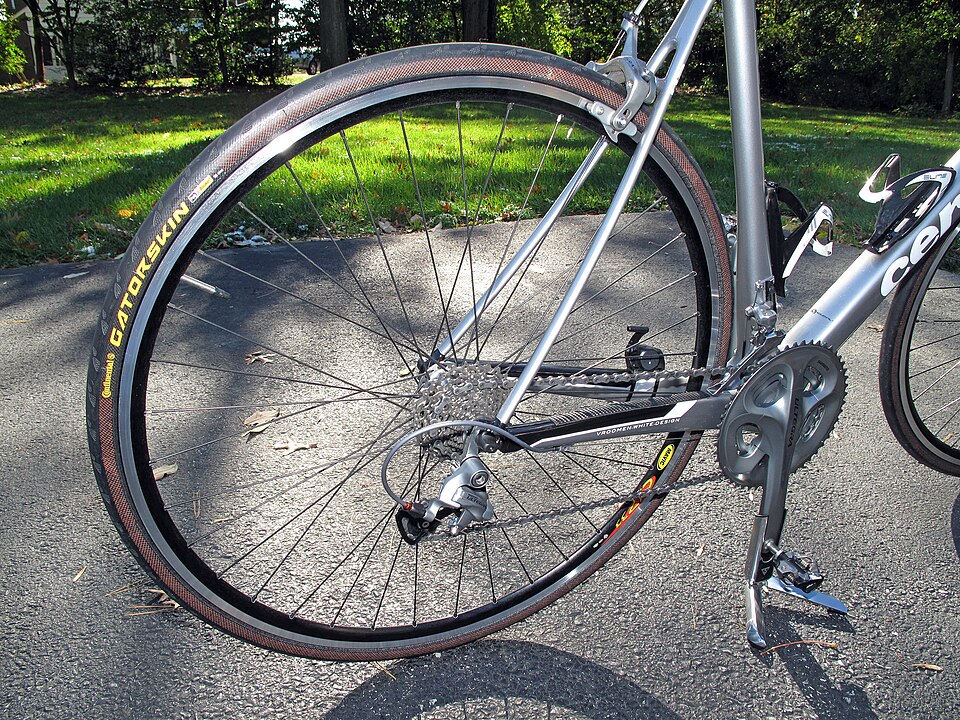
Clincher tires dominate the road cycling world because they offer the perfect balance of convenience and performance for everyday riders. These tires feature a separate inner tube inside a tire with a bead (wire or Kevlar) that hooks onto the rim, creating a secure connection that’s easy to maintain. For cyclists looking to improve their fitness, following a beginner cycling training plan can help you build endurance while using your clincher tires effectively.
How Clincher Tires Work and Their Main Advantages
Clincher tires operate through a simple yet effective design where the tire bead hooks onto the rim’s edge, while a separate inner tube holds the air pressure. This construction makes them incredibly user-friendly – you can easily patch a flat tube with basic tools or replace the entire tube in minutes. The widespread availability of clincher tires and tubes means you’ll find replacements at virtually any bike shop worldwide, making them ideal for touring or remote adventures. Their lower upfront cost compared to other systems also makes them attractive for budget-conscious cyclists who still want reliable performance. For those new to cycling, understanding essential cycling tips for beginners can help you maintain your tires properly and enjoy a safer riding experience.
Clincher Tire Limitations and Best Use Cases
Despite their popularity, clincher tires have notable drawbacks that affect performance. The separate inner tube creates a higher risk of “pinch flats” where the tube gets pinched between the rim and ground during hard impacts, especially with lower tire pressures. This design also results in slightly higher rolling resistance compared to tubeless systems, as the tube creates additional friction inside the tire casing. Clincher tires work best for daily training, commuting, and recreational riding where convenience and easy maintenance outweigh the need for maximum performance. They’re also the go-to choice for cyclists who want to carry spare tubes and tools for roadside repairs without specialized knowledge. Finding the right routes can enhance your riding experience, so consider exploring the best cycling routes near you for your training rides.
Tubeless Tires: Modern Performance with Puncture Protection

Tubeless tires represent the latest evolution in road cycling technology, eliminating the inner tube entirely and using liquid sealant to create an airtight seal between the tire and a tubeless-compatible rim. This innovative approach delivers significant performance benefits while reducing the frequency of flats.
Tubeless Technology and Installation Process
Tubeless tires function by creating an airtight seal between the tire bead and rim bed, with liquid sealant inside to plug small punctures automatically. The installation process requires more attention than clinchers – you’ll need tubeless-compatible rims, specific tubeless tires, and often a compressor to seat the bead properly as it snaps into place with a distinctive pop. The liquid sealant must be added during installation and periodically topped off (typically every 2-3 months) as it dries out over time. While the initial setup can be tricky and may require practice or professional help, once installed correctly, tubeless systems provide a reliable and high-performance riding experience. Regular maintenance is crucial, and following a complete bike maintenance checklist can help you keep your tubeless tires in optimal condition.
Performance Benefits and Maintenance Requirements
The advantages of tubeless tires extend beyond just puncture resistance. The absence of an inner tube allows you to run lower tire pressures for improved comfort and traction without risking pinch flats, while the liquid sealant automatically seals small punctures as you ride. This combination results in lower rolling resistance compared to clinchers, as there’s no tube creating internal friction. However, tubeless systems require ongoing maintenance – you’ll need to check and replenish sealant regularly, and the initial investment is higher due to specialized rims and tires. The installation process can be messy, and seating stubborn beads might require multiple attempts or professional assistance. Women cyclists might also want to consider essential cycling gear for women when upgrading their tire systems.
Tubular Tires: The Pro Racing Choice
Tubular tires, often called “tubs” by professionals, represent the traditional racing tire technology where the tube is sewn inside the casing, and the entire unit is glued or taped to a specific tubular rim. This construction has been the gold standard for professional racing for decades. When considering which tire system to choose, it’s helpful to read top road bike reviews to understand how different tire types perform on various road bike models.
Tubular Construction and Racing Advantages
Tubular tires feature a unique construction where the inner tube is completely encased within the tire casing, then sewn shut to create a single unit. This entire assembly is then glued or taped to a tubular-specific rim, creating an extremely secure connection. The integrated design allows tubulars to be exceptionally lightweight and provides superior handling characteristics, especially at low pressures where they maintain their shape without the risk of pinch flats. Professional racers appreciate that tubulars can often be ridden for several miles even when flat, allowing them to reach support vehicles without stopping immediately. The ability to run very low pressures also provides excellent comfort on rough road surfaces and superior cornering grip.
Tubular Tire Drawbacks and Specialized Use
The main disadvantages of tubular tires center around their complexity and cost. Installation requires specialized knowledge and supplies – you’ll need specific tubular glue or tape, and the process can be messy and time-consuming. A single tubular tire and rim combination typically costs significantly more than equivalent clincher or tubeless setups. Perhaps most challenging is that repairing a tubular on the road is nearly impossible – if you get a large puncture or cut, you’ll need to carry a spare tire rather than just a tube. These factors make tubulars impractical for most recreational riders, though they remain popular among professional racers and serious enthusiasts who prioritize maximum performance and are willing to handle the maintenance challenges.
The most surprising finding in modern road cycling is that tubeless technology has largely replaced tubulars even at the professional level, as improved tubeless designs now offer comparable performance with much greater convenience. If you’re upgrading your road bike tires, start with a tubeless conversion kit for your current wheels – this provides the best balance of performance improvement and practicality, allowing you to experience lower rolling resistance and better puncture protection without the complexity of tubular systems.
Frequently Asked Questions About Road Bike Tire
What are the three main types of road bike tires?
The three main types are clincher, tubeless, and tubular tires. Clincher tires are the standard choice for most riders, tubeless tires offer modern performance with puncture protection, and tubular tires are the pro racing choice for competitive events.
What are the downsides to tubeless tires?
Tubeless tires can be more time-consuming to install initially, especially if they are not tubeless-ready. In the event of major defects, repairs can also be more complex compared to traditional clincher tires.
What tires do Tour de France riders use?
Tour de France riders primarily use tubeless tires, which have become the standard in professional road racing. These tires offer improved puncture protection and performance, making them ideal for competitive events like the Tour de France.