Finding your perfect road bike size involves measuring your height and inseam, then matching them to a manufacturer’s size chart, typically ranging from 47–63 cm. This simple process can dramatically improve your comfort and performance on the bike.
Road bike sizing made simple
- Measure height and inseam accurately — these are your primary sizing numbers
- Use manufacturer charts to match your measurements to frame sizes (47–63 cm range)
- If between sizes, choose smaller for aggressive fit or larger for comfort
- Different brands size differently — always check specific charts
How to Measure Yourself for Road Bike Sizing
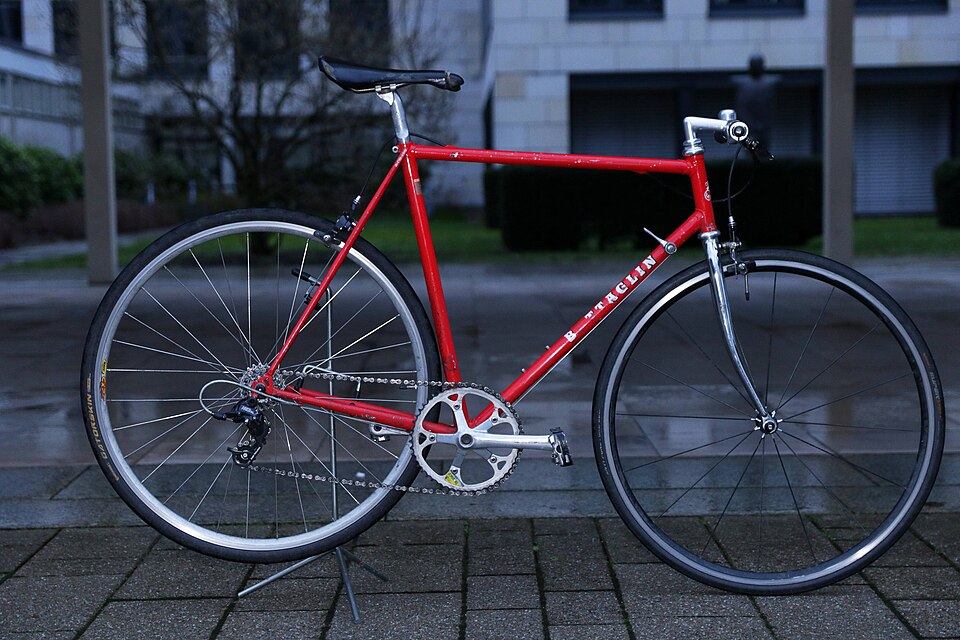
Height and inseam: The two measurements that matter most
Your perfect road bike size starts with two simple measurements. Height tells you which size range to consider, while inseam determines the exact frame size within that range. Frame size is defined as the distance from the center of the crank to the seat tube top, or equivalent in modern sloping frames.
- Height: Your total standing height determines the general size category you should consider
- Inseam: The inside leg measurement affects seat tube length and standover clearance
- Reach: Arm length and torso height influence handlebar position and stem length
- Standover clearance: The space between your crotch and top tube when standing over the bike
Getting accurate measurements is crucial because even a few centimeters can mean the difference between a comfortable ride and one that causes pain or inefficiency. Most bike shops use professional fitting tools, but you can get reliable measurements at home with a tape measure and a friend to help.
Step-by-step measuring guide for accurate sizing
- Measure your height: Stand barefoot against a wall, mark the top of your head, and measure from floor to mark. Wear the type of socks you’ll ride in for most accuracy
- Measure your inseam: Stand with feet shoulder-width apart, place a book between your legs like a saddle, and measure from floor to top of book. This simulates your riding position
- Wear cycling shoes: If you plan to ride with cycling shoes, measure with them on for most accurate results. The shoe sole adds 1-2 cm to your effective height
- Check manufacturer charts: Different brands (e.g., Cannondale, Specialized) may define “Medium” differently, so always check the specific sizing chart. Trek might label a 54cm frame as “Medium” while Giant calls it “Large”
- Consider your riding style: Aggressive racers often prefer smaller frames for better handling, while endurance riders might want larger frames for comfort
Remember that these measurements are just the starting point. Your arm length, torso height, and flexibility also affect your ideal frame size. A rider with long arms might need a larger frame or longer stem even if their height suggests a smaller size.
Road Bike Size Chart by Height and Frame Size
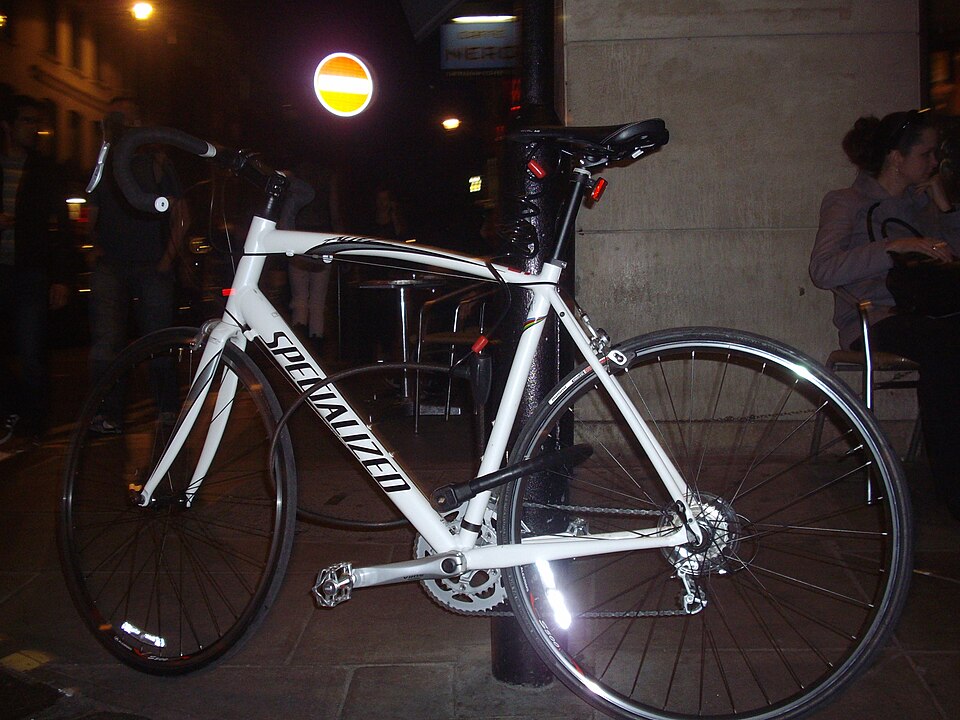
Complete size chart from XXS to XXL with height ranges
| Size | Frame Size (cm) | Height Range | Typical Use |
|---|---|---|---|
| XXS | 47-48 | 4’10” – 5’0″ (148-152 cm) | Women’s specific, smaller riders |
| XS | 49-50 | 5’0″ – 5’3″ (152-160 cm) | Youth, smaller adult riders |
| S | 51-53 | 5’3″ – 5’6″ (160-168 cm) | Average adult female, shorter males |
| M | 54-55 | 5’6″ – 5’9″ (168-175 cm) | Average adult male, taller females |
| L | 56-58 | 5’9″ – 6’0″ (175-183 cm) | Taller adult males |
| XL | 58-60 | 6’0″ – 6’3″ (183-191 cm) | Very tall riders |
| XXL | 61-63 | 6’3″ – 6’6″ (191-198 cm) | Extra tall riders, custom frames |
This chart shows the approximate frame sizes available, but remember that different manufacturers may have slight variations in their sizing — road cycling.
The frame size affects more than just your height fit. A smaller frame typically offers more responsive handling and better acceleration, while a larger frame provides more stability at high speeds and on descents. The reach to your handlebars also changes with frame size, affecting your riding position and comfort over long distances.
How frame size affects your riding position and comfort
Riders with longer arms or torsos may need a larger frame or longer stem, even if they fit a smaller size by height. It’s easier to make a small bike bigger than a large bike smaller, which is why choosing the right size is so important. The frame size affects your reach to the handlebars, your riding position, and ultimately your comfort on long rides.
Frame geometry also plays a crucial role. A more aggressive racing geometry with a longer reach might require a smaller frame than a more relaxed endurance geometry. The top tube length, head tube height, and seat tube angle all influence how a particular frame size will feel to ride.
Consider your flexibility when choosing a frame size. Less flexible riders might prefer a slightly larger frame with a more upright position, while very flexible riders can handle the stretched-out position of a smaller, more aggressive frame. Your core strength also affects how comfortable you’ll be in different positions.
What to Do When You’re Between Sizes
Smaller vs larger frame: Making the right choice
If you’re between sizes, the decision comes down to your riding style and preferences. Choose the smaller frame for a more aggressive, aerodynamic position that’s popular with racers. Choose the larger frame for more comfort and stability, which many recreational riders prefer. The smaller frame gives you more options to adjust with a longer seatpost or stem if needed.
- Smaller frame advantages: More responsive handling, better acceleration, more standover clearance, easier to make adjustments upward
- Larger frame advantages: More stable at speed, more comfortable for long rides, better for less flexible riders, more room for water bottles
- Compromise factors: Consider your typical riding terrain, distance goals, and whether you prioritize speed or comfort
Many professional cyclists choose smaller frames because they can be fine-tuned more easily. A smaller frame allows you to use a longer stem for reach, a higher seatpost for leg extension, and still maintain the responsive handling characteristics that racers need. The key is that it’s much harder to compensate for a frame that’s too large.
Adjusting components for your perfect fit
- Saddle height/position: Crucial for power output and comfort. The correct height allows for a slight bend in your knee at the bottom of the pedal stroke
- Stem length: Affects your reach and riding position. A longer stem can compensate for a slightly small frame, while a shorter stem can make a large frame more manageable
- Handlebar width: Should match your shoulder width for optimal control. Too wide causes shoulder strain, too narrow reduces stability
- Seatpost: Can add height if your frame is slightly small. Look for posts with more setback if you need to adjust your fore-aft position
- Stem: Can adjust reach if your frame is slightly large. A shorter stem can make a big difference in how a bike feels
The beauty of modern road bikes is that you can fine-tune your fit with these components after choosing your frame size. This flexibility means you don’t need to be perfect on the first try. Many bike shops offer professional fitting services that can help you optimize these adjustments for your specific body and riding style.
Consider the type of riding you’ll be doing most often. For criterium racing or mountain riding where quick handling is crucial, a smaller frame might be better. For long-distance touring or endurance events, the comfort of a larger frame might outweigh the handling benefits of a smaller size.
Finding the right road bike size can transform your riding experience. The most surprising insight is that when you’re between sizes, the smaller frame is usually the better choice because it’s easier to make adjustments upward than to compensate for a frame that’s too large. If possible, test ride both sizes to feel the difference in handling and comfort before making your final decision.
Remember that your perfect size might change as you develop as a cyclist. Many riders start with a more comfortable, larger frame and gradually move to smaller, more aggressive sizes as their flexibility and strength improve. The key is to start with accurate measurements and use the adjustment options available to fine-tune your fit.