Proper hydration can make or break your road cycling performance — studies show that just 2% body weight loss through sweat can reduce power output by up to 20%. This guide covers everything you need to know about staying properly hydrated on your rides.
Essential Hydration Strategies for Road Cyclists
- Pre-hydrate before rides to start with optimal fluid levels
- Drink 500-750ml per hour during rides, adjusting for conditions
- Replace electrolytes to prevent muscle cramps and maintain performance
- Continue hydration after rides to support recovery
How to Hydrate Before, During, and After Road Cycling
Pre-Ride Hydration: Starting Your Ride Fully Hydrated
Starting your ride well-hydrated is crucial for maintaining performance throughout your cycling session. Drink 500-750ml of water 2-3 hours before riding to ensure your body has adequate fluid levels. Signs of proper pre-hydration include pale yellow urine and feeling alert without thirst. Many cyclists make the mistake of starting rides dehydrated, which can reduce power output by up to 20% before you even begin pedaling.
The timing of your pre-ride hydration matters significantly. Drinking too close to your ride can lead to uncomfortable sloshing in your stomach, while drinking too early means you might already be dehydrated by the time you start. The 2-3 hour window allows your body to absorb and distribute fluids effectively. During this period, avoid diuretics like caffeine, which can increase urine output and work against your hydration efforts.
Consider your pre-ride meal as part of your hydration strategy. Foods with high water content, such as fruits and vegetables, contribute to your overall fluid intake. However, avoid high-sodium foods immediately before riding, as they can increase thirst and fluid needs. If you’re riding early in the morning, you may need to adjust your evening meal and fluid intake to ensure optimal hydration status when you wake up.
During-Ride Hydration: The 500-750ml Per Hour Rule
During your ride, aim for roughly 500-750ml of fluid per hour, adjusted for temperature and intensity. Drink regularly rather than waiting until you feel thirsty, as thirst is a late indicator of dehydration. Use electrolyte mixes to replace sodium lost through sweat, which is vital for preventing muscle cramps. In hot conditions or during intense efforts, you may need up to 1 liter per hour. Waiting until you’re thirsty means you’re already 1-2% dehydrated, which can significantly impact your performance.
- Temperature impact: For every 10°C increase above 15°C, increase your fluid intake by 100-150ml per hour
- Intensity factor: High-intensity efforts can increase sweat rate by 30-50% compared to steady-paced riding
- Bottle management: Plan your route to include refill points every 45-60 minutes in hot conditions
- Electrolyte timing: Start electrolyte supplementation within the first 30 minutes of riding, not just when you feel thirsty
Developing a drinking schedule helps prevent both under and overhydration. Take small sips every 10-15 minutes rather than large gulps every hour. This consistent approach maintains blood volume and prevents the performance drop that occurs with even mild dehydration. Use your bike computer or watch to set hydration reminders if you tend to forget to drink during focused efforts.
Post-Ride Recovery: Replacing Lost Fluids and Electrolytes
After your ride, continue drinking fluids to rehydrate and support recovery. Consume electrolyte-rich drinks or foods, especially if you sweated heavily during your ride. Monitor your recovery through urine color — pale yellow indicates good hydration, while dark yellow suggests you need more fluids. You can also weigh yourself before and after rides; each kilogram lost represents approximately one liter of fluid that needs replacing. Continue hydration for several hours after riding to fully recover.
Post-ride nutrition plays a critical role in hydration recovery. Within 30 minutes of finishing your ride, consume a recovery drink containing both carbohydrates and electrolytes. This window is when your body is most receptive to nutrient absorption and fluid uptake. For rides longer than 2 hours, aim for 1.5 times the fluid lost during your ride over the next 4-6 hours.
Certain foods can accelerate your recovery process. Watermelon, oranges, and cucumbers provide both fluids and natural electrolytes. Salty snacks like pretzels or salted nuts help replace sodium lost through sweat. If you’re feeling particularly fatigued or notice persistent muscle cramps, consider an oral rehydration solution that matches the electrolyte composition of your sweat more closely than standard sports drinks.
Why Electrolytes Are Critical for Road Cycling Performance
The Science Behind Electrolyte Replacement During Cycling
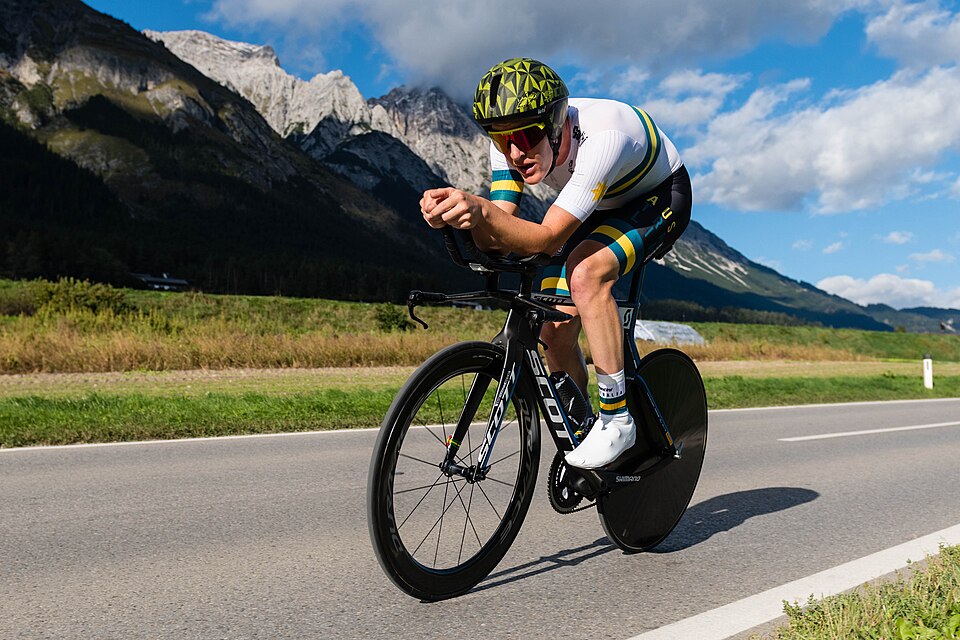
When you sweat during cycling, you lose not just water but also essential electrolytes like sodium, potassium, and magnesium. These minerals are crucial for muscle function and nerve signaling. Sodium helps maintain fluid balance and prevents muscle cramps, while potassium supports proper muscle contraction. Magnesium plays a role in energy production and muscle relaxation. Without adequate electrolyte replacement, you risk muscle cramps, fatigue, nausea, and decreased coordination — all of which can force you to cut your ride short.
The electrolyte composition of your sweat is unique to you and can vary based on fitness level, acclimatization, and genetics. Some cyclists are “salty sweaters,” losing up to 2000mg of sodium per liter of sweat, while others lose as little as 200mg. This variation explains why some riders experience severe cramping while others don’t, even under identical conditions. Testing your sweat composition through specialized sweat tests can help you develop a personalized hydration strategy.
Electrolyte balance affects more than just muscle function. Sodium and potassium are critical for maintaining blood volume, which directly impacts your cardiovascular system’s ability to deliver oxygen to working muscles. When electrolyte levels drop too low, your heart must work harder to maintain the same power output, leading to premature fatigue. This is why riders who only drink water on long rides often experience a sudden energy crash around the 2-3 hour mark.
Choosing the Right Electrolyte Mix for Your Rides
Different electrolyte products serve different purposes. Sports drinks typically contain 200-400mg of sodium per 500ml along with carbohydrates for energy. Electrolyte tablets offer concentrated sodium (200-300mg) with minimal calories, ideal for shorter rides where you get energy from food. Natural sources like coconut water provide potassium but lower sodium levels. For rides under 90 minutes, water with a pinch of salt may suffice. For longer or more intense rides, choose products with 300-500mg sodium per liter to match sweat losses.
- Sports drinks: Best for rides over 90 minutes when you need both hydration and energy
- Electrolyte tablets: Ideal for hot days when you’re getting calories from food
- Electrolyte capsules: Convenient for precise dosing during races or long events
- Natural options: Good supplements but rarely sufficient alone for intense cycling
The carbohydrate content in your electrolyte mix matters significantly. For rides under 2 hours, lower-carb options (2-4%) prevent gastrointestinal distress while still providing necessary electrolytes. For longer endurance rides, higher-carb mixes (6-8%) can help maintain energy levels. However, mixing your own electrolyte solution allows you to customize both the sodium content and carbohydrate levels to match your specific needs and tolerance.
Signs You Need More Electrolytes During Your Ride
Watch for warning signs that indicate electrolyte imbalance. Muscle cramps, especially in your legs or feet, often signal sodium depletion. Fatigue that seems disproportionate to your effort level may indicate electrolyte loss. Nausea or stomach discomfort can result from low sodium levels affecting fluid balance. Decreased coordination or mental fog suggests your body is struggling with electrolyte imbalance. If you experience any of these symptoms, increase your electrolyte intake immediately to prevent performance decline or early ride termination.
Early warning signs are often subtle and easy to miss. A slight decrease in power output, difficulty maintaining your target cadence, or feeling unusually hot despite adequate hydration can all indicate developing electrolyte imbalance. Pay attention to your body’s signals and adjust your intake before symptoms become severe. Many experienced cyclists carry electrolyte capsules as backup for when they realize they’re not keeping up with their losses.
Different types of rides create different electrolyte demands. High-intensity interval sessions, hill repeats, and time trials all generate more sweat per minute than steady endurance rides. Similarly, riding in a group at high speeds creates more wind resistance and heat, increasing your sweat rate. Adjust your electrolyte strategy based on the specific demands of each ride rather than using a one-size-fits-all approach.
How Much Should You Drink During a Road Cycling Ride?
Calculating Your Personal Hydration Needs
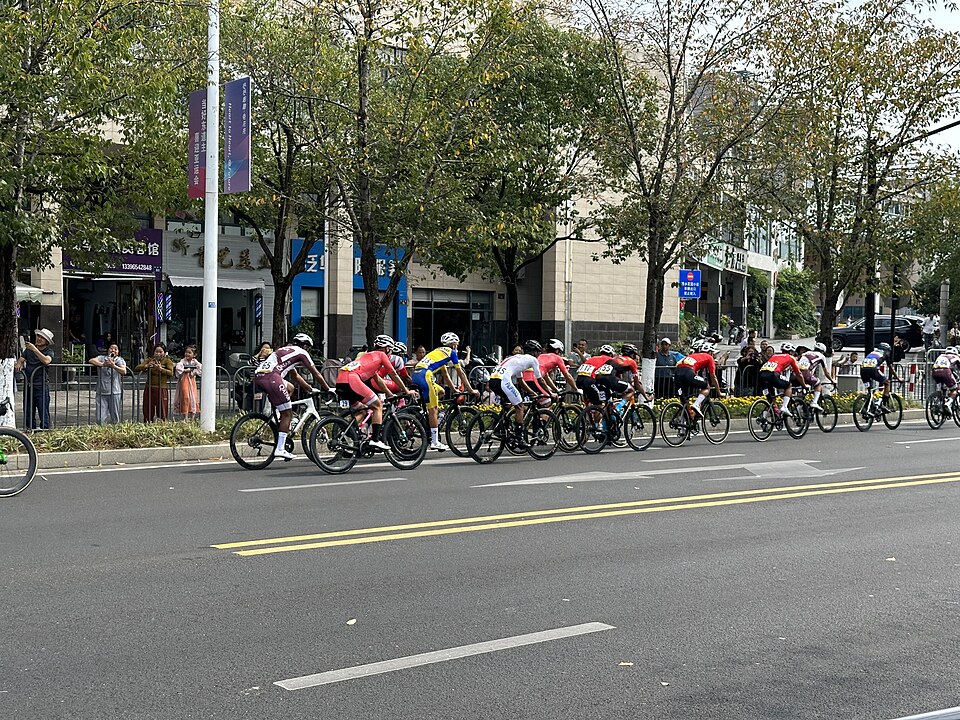
Individual sweat rates vary significantly based on body size, fitness level, and environmental conditions. To determine your personal needs, weigh yourself before and after a one-hour ride without drinking (or track fluid intake). Each kilogram lost equals one liter of sweat. Most cyclists sweat between 500-1500ml per hour. Temperature, humidity, and intensity dramatically affect these numbers — you might need twice as much fluid on a hot day compared to a cool one. Use the 500-750ml guideline as a starting point, then adjust based on your sweat test results.
Conducting a sweat rate test is simple but requires consistency. Weigh yourself naked before your ride, complete a one-hour ride at your intended intensity, then weigh yourself again without drinking or using the bathroom. The weight difference, converted to milliliters, represents your sweat rate per hour. Repeat this test in different conditions — cool weather, hot weather, high humidity — to build a comprehensive understanding of your needs across various scenarios.
Advanced cyclists might consider sweat composition testing, which analyzes the exact amounts of sodium, potassium, and other electrolytes in your sweat. This information allows for precise electrolyte replacement rather than the general guidelines most riders follow. While not necessary for casual cyclists, competitive riders or those who consistently struggle with cramping may benefit from this personalized approach to hydration strategy.
Hydration Mistakes That Cost Performance
Several common errors can sabotage your cycling performance. Overhydration, or hyponatremia, occurs when you drink too much plain water without electrolytes, diluting blood sodium levels. This can cause nausea, confusion, and in severe cases, can be life-threatening. Underhydration is more common but equally problematic, leading to decreased power output and early fatigue. Drinking only water on long rides ignores the critical electrolyte component of hydration. Ignoring weather conditions and maintaining the same hydration plan regardless of temperature or humidity can leave you either dehydrated or overhydrated.
- Overhydration: Drinking more than 1 liter per hour without electrolytes can lead to dangerous sodium dilution
- Underhydration: Waiting until thirsty means you’re already 1-2% dehydrated and performance is declining
- Single-strategy approach: Using the same hydration plan for all conditions ignores environmental factors
- Ignoring individual needs: Following generic guidelines without personal testing misses your unique requirements
Many cyclists fall into the trap of thinking more hydration is always better. However, overhydration can be just as performance-limiting as dehydration. The key is finding your personal sweet spot where you’re replacing fluids at a rate that matches your losses without overwhelming your body’s absorption capacity. This balance point varies throughout the year as you adapt to different temperatures and humidity levels.
Another common mistake is neglecting hydration planning for the entire ride duration. Many cyclists focus on their bottles for the first hour but forget to plan for refills or additional supplies for longer rides. Always map out your route with water sources or carry sufficient fluids for your planned distance plus 20% extra for unexpected delays or hotter-than-forecast conditions.
Most cyclists underestimate their hydration needs by 30-50%. The surprising truth is that your performance on a 2-hour ride is determined more by your hydration strategy than your training intensity. Start today by weighing yourself before and after your next ride to calculate your sweat rate, then adjust your fluid intake accordingly. For more guidance on getting started with cycling, check out our Essential Cycling Tips for Beginners Starting Their Journey.