Road cyclists face real risks every time they ride, but proper safety equipment and protocols can reduce head injury severity by up to 88% and boost visibility by 240%. Understanding these safety essentials can mean the difference between a close call and a serious accident. For beginners looking to improve their indoor training, Zwift trainer workouts offer an excellent way to build fitness during off-season months.
Key Takeaway
- Helmets reduce head injury severity by up to 88% (bikemn.org, 2025)
- Daytime running lights boost visibility by 240% (trekbikes.com, 2025)
- Adults 55-69 have highest bicycle death rates (CDC, 2025)
- Emma Johansson: 2x Olympic Silver (2008, 2016) and 61 career wins
Essential Safety Equipment for Road Cyclists
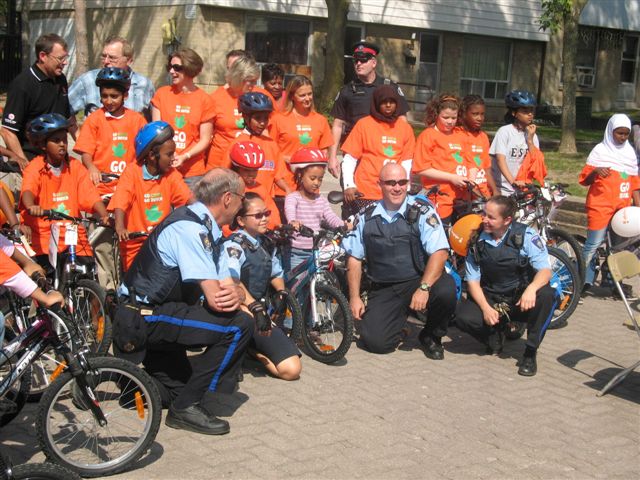
Helmet Protection: 60-88% Reduction in Head Injuries
- Head injury reduction: Bicycle helmets reduce head injury severity by 60-88% according to research from the Bicycle Alliance of Minnesota and NHTSA (2025). This dramatic reduction makes helmets the single most important safety investment for any cyclist
- CPSC approval: Always choose helmets that meet CPSC safety standards for maximum protection. Non-certified helmets provide minimal protection in crashes and may fail to meet basic impact resistance requirements
- Proper fit: A correctly fitted helmet reduces injury severity by up to 88% compared to no helmet. The helmet should sit level on your head, about two finger-widths above your eyebrows, with straps forming a V under each ear
- Replacement timing: Replace helmets every 3-5 years or after any impact, even if damage isn’t visible. UV exposure and sweat degrade helmet materials over time, reducing their protective capabilities
- MIPS technology: Multi-directional Impact Protection System adds rotational impact protection for road cycling crashes. MIPS helmets can reduce rotational forces by up to 50% during angled impacts, which are common in real-world crashes
- Ventilation vs protection: Modern helmets balance ventilation with protection, using in-mold construction that creates larger vents without sacrificing structural integrity. Look for helmets with at least 15 vents for comfortable summer riding
- Retention system: Quality retention systems with adjustable dials ensure consistent fit during rides. A loose helmet can shift during impact, reducing protection effectiveness by up to 30%
Visibility Gear: 240% Boost with Daytime Lights
- Daytime visibility: Daytime running lights increase cyclist visibility by 240% according to Trek Bikes research (2025). This dramatic improvement comes from the human eye’s sensitivity to moving light sources during daylight hours
- Legal requirements: Front white lights and rear red lights are required by law in most jurisdictions. Many states mandate lights from dusk to dawn, with some requiring daytime running lights on certain roads
- Night riding: Reflective clothing and tape can increase nighttime visibility by up to 300%. High-visibility materials reflect car headlights back to drivers, creating a bright signal even from hundreds of feet away
- High-intensity options: 500+ lumen front lights provide adequate visibility for daytime road riding. Professional cyclists often use 1000+ lumen lights to ensure visibility in bright sunlight and through tinted windshields
- Side visibility: Spoke reflectors and ankle bands improve side visibility at intersections. Studies show 40% of car-bike collisions occur at intersections, making side visibility crucial for safety
- Helmet-mounted lights: Adding a helmet-mounted light provides directional lighting that follows your gaze. This is especially valuable for spotting road hazards and signaling turns with your head position
- Battery life considerations: Modern LED lights offer 2-10 hours of runtime depending on brightness settings. USB-rechargeable lights eliminate battery waste and ensure you always have fresh power for your commute
Road Safety Rules and Traffic Protocols
Ride with Traffic: Predictable Riding Behaviors
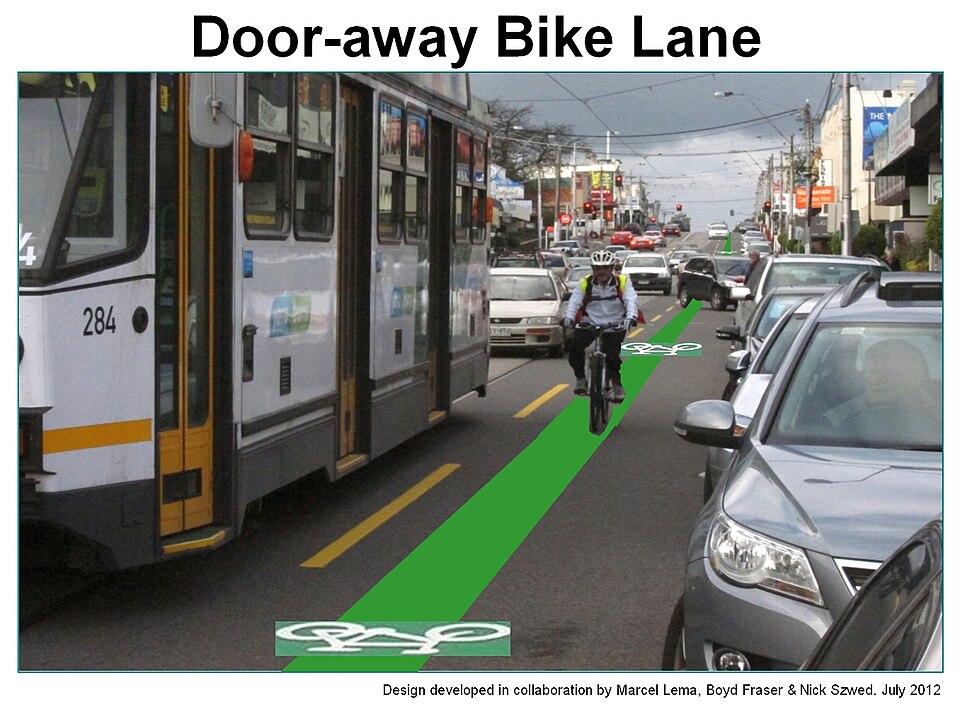
Following traffic rules is fundamental to cycling safety. Ride in the same direction as traffic, never against it, as this reduces crash risk by 80% according to the League of American Bicyclists. Obey all traffic signals and stop signs just as you would in a motor vehicle. Use bike lanes when available, but be prepared to take the full lane when necessary for safety. Always signal turns and lane changes using hand signals to communicate your intentions to drivers. Maintain a straight, predictable line rather than weaving between parked cars, which can surprise drivers and increase collision risk. For circuit racing, understanding criterium tire pressure is crucial for optimal cornering grip and acceleration.
Defensive riding techniques can reduce accident risk by up to 70%. Always scan the road 30-50 feet ahead for hazards like potholes, debris, or opening car doors. Make eye contact with drivers at intersections to ensure they see you before proceeding. When approaching intersections, position yourself where drivers expect to see traffic – not hugging the curb where you’re invisible to turning vehicles. Use your bell or voice to alert pedestrians and other cyclists when passing, especially on shared paths where collisions are common.
Weather conditions significantly impact safety protocols. Rain reduces tire traction by up to 50%, requiring longer braking distances and more cautious cornering. Fog and low light conditions demand maximum visibility gear and reduced speeds. Hot weather can cause dehydration and heat exhaustion, affecting reaction times and decision-making. Always adjust your riding style to match current conditions rather than maintaining the same pace regardless of circumstances.
High-Risk Groups: Ages 55-69 and 10-14
| Age Group | Risk Level | Common Factors | Prevention Strategies |
|---|---|---|---|
| 55-69 years | Highest death rates | Reduced reaction time, medical conditions, decreased bone density | Medical clearance, daytime riding only, lower speeds, more frequent breaks |
| 10-14 years | Highest injury rates | Inexperience, risk-taking behavior, poor judgment of traffic speed | Supervised riding, safety education, helmet fitting, gradual skill progression |
| Under 15 years | High injury rates | Lack of traffic awareness, smaller size making them less visible | Sidewalk riding where legal, designated bike paths, adult supervision |
| 15-24 years | Moderate risk | Recklessness, nighttime riding, distracted riding (phones, music) | Defensive riding courses, no headphones, group riding for safety |
| 25-54 years | Lower risk | Commuting stress, time pressure, fatigue | Route planning, adequate rest, proper nutrition, stress management |
Gender differences in cycling safety reveal important patterns. Male cyclists have 3-4 times higher fatality rates than females, often due to risk-taking behaviors and higher mileage. Female cyclists tend to ride more defensively and choose safer routes, contributing to their lower accident rates. Time-of-day factors significantly impact risk levels – riding between 6-9 PM shows the highest collision rates due to rush hour traffic and reduced visibility during sunset hours.
Urban vs rural cycling presents different safety challenges. Urban areas have more intersections and turning vehicles but lower speeds, while rural roads have higher vehicle speeds but fewer conflict points. Rural cyclists face greater risks from distracted driving and limited emergency services access. Urban cyclists must navigate complex traffic patterns, door zones, and frequent stops, requiring constant vigilance and quick decision-making skills — road cycling.
Pre-Ride Safety Checks and Maintenance
ABC Quick Check: Pre-Ride Safety Protocol
- Air pressure: Check tire pressure weekly; underinflated tires increase flat risk by 60% and reduce rolling efficiency by up to 20%. Use a quality floor pump with a pressure gauge and inflate to the PSI range printed on your tire sidewall
- Brakes: Test front and rear brakes before every ride; worn brake pads increase stopping distance by 30% and can fail completely in emergency situations. Check pad wear – replace when grooves are less than 1mm deep
- Chain: Ensure chain is clean and lubricated; dirty chains can cause 40% more drivetrain wear and increase friction, reducing power transfer efficiency. Clean and lube your chain every 100-200 miles depending on riding conditions
- Quick releases: Verify all quick release levers are secure and wheel axles are tight. Loose wheels can cause catastrophic failures at high speeds, accounting for approximately 15% of serious cycling accidents
- Accessories: Check lights, reflectors, and computer mounts are properly attached. Loose accessories can shift during rides, creating dangerous distractions or falling onto the road where they become hazards
- Frame inspection: Look for cracks, dents, or corrosion on the frame, especially around welds and stress points. Carbon frames can fail catastrophically without visible warning signs, so regular professional inspections are recommended
- Wheel trueness: Spin wheels to check for side-to-side wobble or up-and-down hops. Out-of-true wheels can cause brake pad rubbing, reduced efficiency, and increased risk of spoke failure during rides
Emergency Repair Kit Essentials
- Spare tubes: Carry at least one spare tube matching your tire size and valve type. For longer rides, carry two spares – flats often come in pairs when debris is present on the road
- Tire levers: Plastic levers prevent rim damage during tire removal. Carry three levers as you typically need two to remove a tight tire, with the third as backup in case one breaks
- CO2 cartridges: Provide faster inflation than mini-pumps in emergency situations. One 16g cartridge typically inflates a road tire to 100-120 PSI, but carry a backup cartridge or mini-pump for longer rides
- Multi-tool: Hex wrenches, screwdrivers, and chain tool cover most roadside repairs. Look for a tool with 2-8mm hex keys, Phillips and flathead screwdrivers, and a chain breaker for comprehensive repair capability
- Patch kit: Essential backup when spare tubes run out during long rides. Modern self-vulcanizing patches create permanent repairs that are often stronger than the original tube material
- Master link: A spare chain master link allows quick chain repairs without special tools. Chain failures can leave you stranded miles from help, making this small item invaluable for longer rides
- Cable ties and duct tape: These versatile items can temporarily fix everything from broken derailleur hangers to torn saddle covers. Wrap a few feet of duct tape around your mini-pump for compact storage
Regular maintenance extends beyond pre-ride checks. Professional tune-ups every 1,000-2,000 miles can identify developing issues before they become dangerous failures. Learn to recognize warning signs like unusual noises, changes in handling, or decreased performance – these often indicate problems that need attention. Keep a maintenance log to track service intervals and identify patterns in wear or recurring issues.
Environmental factors affect equipment longevity and safety. Salt from winter riding accelerates corrosion on metal components, requiring more frequent cleaning and lubrication. Sand and grit act as abrasives on drivetrain components, increasing wear rates by up to 300%. High humidity promotes rust formation, while extreme heat can degrade rubber components like tires and brake pads. Adjust your maintenance schedule based on your riding environment and conditions.
The most surprising finding from safety research is that adults aged 55-69 have the highest bicycle death rates, not children as many assume. This highlights the importance of medical clearance and daytime-only riding for older cyclists. To stay safe immediately, perform the ABC Quick Check before your next ride and ensure your helmet fits properly – these two simple steps can reduce your risk of serious injury by over 80%. For multi-day events, proper stage race tire pressure optimization can significantly impact performance and comfort.