Modern road bike tires range from 23mm to over 30mm, with the trend shifting toward wider tires for better real-world speed, grip, and comfort. The right tire width depends on your riding surface and style.
- Wider tires (28-32mm) are the 2026 standard for speed and comfort on real roads
- Lower pressure reduces rolling resistance and improves comfort
- Tubeless technology dominates for puncture resistance and performance
- Tire width should match road conditions: 23-25mm for smooth racing, 28-32mm+ for rough roads
Road Bike Tire Width Guide: What Size for Your Riding Style
Choosing the right tire width is crucial for optimal performance. The width affects speed, comfort, and how your bike handles different surfaces.
23-25mm: Racing and Smooth Pavement Performance
- Best for smooth pavement and racing: These narrow tires prioritize aerodynamics and low weight, making them ideal for competitive events on well-maintained roads.
- High TPI for low rolling resistance: Premium racing tires in this range typically feature high thread-per-inch counts, creating supple casings that minimize energy loss.
- Continental Grand Prix 5000 TT TR: This model exemplifies the performance focus of 23-25mm tires, offering minimal rolling resistance for maximum speed.
The pattern is clear: narrower tires excel where speed matters most and road surfaces are perfect. They sacrifice comfort for aerodynamic efficiency.
25-28mm: All-Rounder for Most Road Conditions
- Considered the all-rounder: This width has become the standard for most road cyclists, offering an excellent balance between speed and comfort.
- Balance of speed and comfort: These tires provide enough cushioning for everyday roads while maintaining good performance characteristics.
- Suitable for average asphalt conditions: Most road bikes can accommodate this width, making it the practical choice for general riding.
The 25-28mm range represents the sweet spot for most riders. It’s wide enough to handle imperfect roads yet narrow enough to maintain good speed.
28-32mm+: Endurance and Rough Road Comfort
- Ideal for rough roads and endurance rides: Wider tires excel on bumpy or poorly maintained surfaces where comfort becomes critical.
- Better vibration absorption and puncture resistance: The larger air volume and thicker casings provide superior protection against road hazards.
- Allows lower pressures for enhanced comfort: Wider tires can run at lower pressures without risking pinch flats, dramatically improving ride quality.
The trend toward wider tires reflects a shift in cycling priorities. Modern riders value comfort and durability alongside pure speed, especially on real-world roads — road cycling.
Road Condition Tire Selection: Matching Tires to Surfaces

Different road surfaces demand different tire characteristics. Matching your tire to the conditions you ride most often will improve your experience significantly.
Smooth Asphalt and Racing: Narrow and Lightweight
Smooth asphalt and racing require narrow, lightweight tires that minimize rolling resistance. The Continental Grand Prix 5000 TT TR exemplifies this category, featuring a slick tread pattern and high-TPI casing for maximum speed. These tires work best at higher pressures (100-120 PSI) to prevent energy loss through tire deformation. The Vittoria Corsa Pro Speed TLR offers similar performance with tubeless compatibility, allowing slightly lower pressures for improved comfort without sacrificing speed. The key benefit is aerodynamic efficiency – narrow tires cut through the air more cleanly and weigh less, both critical factors in racing scenarios.
Rough Roads and Mixed Conditions: Wide and Durable
Rough roads demand wider tires at lower pressures to absorb vibrations and maintain traction. The Pirelli Cinturato Velo TLR excels here, featuring a durable casing with puncture protection belts that withstand debris and rough surfaces. The Continental Grand Prix 5000 S TR provides a similar balance, offering the speed of a racing tire with enhanced durability for real-world conditions. The key benefit is comfort and control – wider tires at 70-85 PSI smooth out road imperfections, reduce fatigue on long rides, and maintain better contact with the road surface. This setup also reduces the risk of pinch flats that plague narrow tires on rough terrain.
Wet Weather and Winter Riding: Grip and Stability
Wet weather and winter riding require tires with durable compounds and slightly wider profiles for stability. Tubeless setups are particularly recommended for wet conditions, as they allow lower pressures that increase the contact patch and improve grip. Slightly wider profiles (28-32mm) provide better stability on slippery surfaces and more volume to absorb impacts from unseen obstacles. The key benefit is safety – wider tires with appropriate tread patterns maintain traction in wet conditions where narrow tires might lose grip. Many riders also appreciate the added puncture resistance of wider tires when debris becomes hidden under water or snow.
Tire Types and Technology: Clincher vs Tubeless vs Tubular
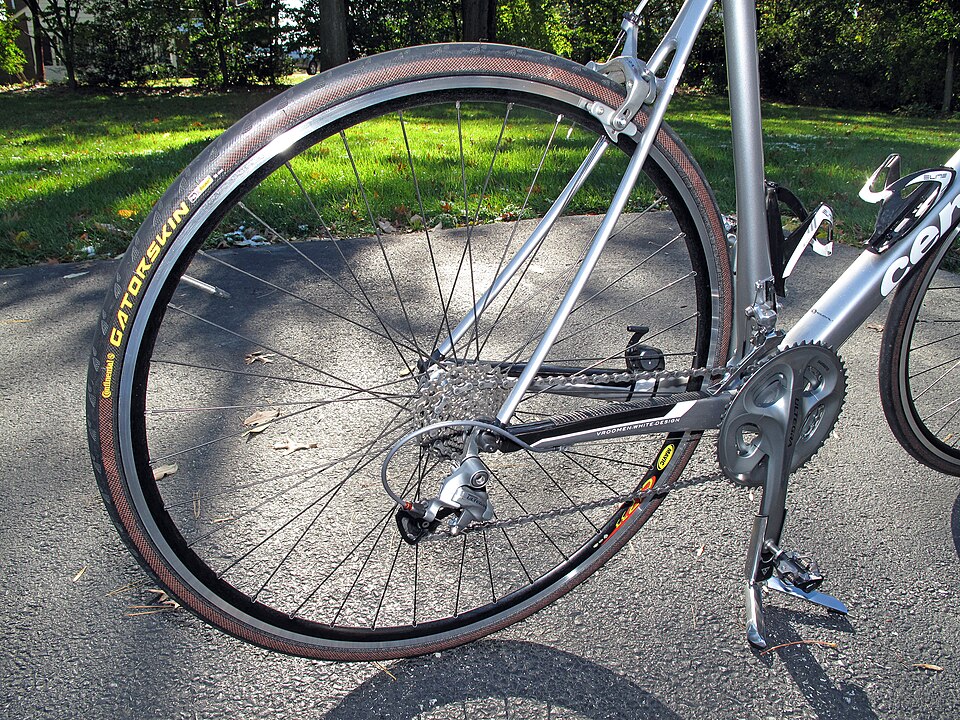
Understanding tire construction types helps you choose the right system for your riding style and maintenance preferences.
Clincher Tires: Standard with Inner Tube
- Standard tire with inner tube: This traditional design uses a separate inner tube that holds air inside the tire casing.
- Most common and affordable: Clincher tires dominate the market due to their simplicity and lower cost compared to other systems.
- Easy to repair and replace: Fixing a flat involves replacing just the inner tube, making roadside repairs straightforward and inexpensive.
Clincher tires remain popular for their convenience and widespread availability. They work with most wheels and require no special setup beyond proper inflation.
Tubeless Tires: Seal Directly to Rim
- Tire seals directly to rim: Tubeless systems eliminate the inner tube, with the tire forming an airtight seal against the rim bed.
- Often uses sealant: Liquid sealant inside the tire automatically plugs small punctures, providing self-healing properties during rides.
- Lower rolling resistance and better puncture protection: Without an inner tube, tubeless tires can run at lower pressures for improved comfort while resisting pinch flats.
Tubeless technology has become increasingly popular for its performance benefits. The ability to run lower pressures without pinch flats makes these tires ideal for rough roads and endurance riding.
Tubular Tires: Integrated Tube Design
- Inner tube permanently attached: Tubular tires have the inner tube sewn inside the tire casing, creating a single integrated unit.
- Typically used in racing: Professional racers often prefer tubulars for their lightweight construction and ability to be ridden while flat.
- Higher cost but excellent performance: These tires offer superior ride quality and can be inflated to very high pressures, but they’re more expensive and require special wheels.
Tubular tires remain the choice for elite competition where every gram matters. However, their complexity and cost limit their appeal for most recreational riders.
The most surprising finding is how much tire width affects real-world performance. Many cyclists still believe narrower tires are always faster, but modern testing shows wider tires at lower pressures often provide better efficiency on typical roads. The key is matching your tire to your actual riding conditions rather than following outdated racing conventions.
For the best results, examine the roads you ride most often. If you primarily ride smooth pavement and race, 23-25mm tires at higher pressures will serve you well. If you encounter rough roads, commute, or prioritize comfort, consider 28-32mm tubeless tires that can transform your riding experience. The technology exists to make cycling more comfortable without sacrificing speed – you just need to choose the right tool for the job.