Road bike geometry determines how a bicycle handles, how comfortable it feels over long distances, and how aerodynamic the rider can be. Based on professional insights, including those from Olympic medalist Emma Johansson, the design of a frame is balanced between aggressive, performance-oriented shapes and more relaxed, endurance-focused geometries.
Key Takeaway
-
Stack and reach measurements determine rider fit and position
-
Head tube angle affects steering responsiveness and stability
-
Wheelbase length influences bike handling and comfort
-
Chainstay length impacts acceleration and cornering ability
-
Professional fitting aligns geometry with rider body for optimal performance
What Makes Road Bike Geometry Different?

Stack and Reach: The Foundation of Fit
Stack and reach are the most critical measurements for determining how a bike fits your body. Stack is the vertical height from the center of the bottom bracket to the top of the head tube. A lower stack creates a more aerodynamic, aggressive position that reduces frontal cross-sectional area to minimize air resistance. Professional cyclists often prefer stack heights between 500-550mm for racing bikes, while endurance riders may prefer 550-600mm for increased comfort.
Reach is the horizontal distance from the bottom bracket to the top of the head tube. A longer reach stretches the rider out for higher speeds, promoting a more stretched-out position that can improve power transfer and aerodynamics. Racing bikes typically feature reaches of 390-410mm, while endurance bikes often have reaches of 375-390mm. The relationship between stack and reach creates the bike’s overall fit profile – a bike with a low stack and long reach will feel stretched and aggressive, while one with a high stack and short reach will feel upright and comfortable.
Professional bike fit is essential to align these measurements with your body proportions. If you’re between frame sizes, it’s often recommended to size down to avoid a stretched-out, uncomfortable position. The right stack and reach combination ensures you can maintain an efficient riding position without straining your back, neck, or shoulders during long rides. Studies show that improper stack and reach can reduce power output by up to 15% and increase the risk of overuse injuries by 30%.
Head Tube Angle: Steering Responsiveness
The head tube angle dramatically affects how a bike handles and responds to steering inputs. A steeper angle, closer to 90 degrees, leads to faster, more responsive steering that’s ideal for racing situations where quick directional changes are needed. Racing bikes typically feature head tube angles between 73-74 degrees, providing the quick handling needed for criterium racing and technical descents.
A slacker head tube angle provides more stability, especially at high speeds or when descending. This geometry is preferred by endurance riders who prioritize comfort and confidence over twitchy responsiveness. Endurance bikes often feature head tube angles between 71-72 degrees, offering more stable handling on rough roads and during long descents. The angle affects how the front wheel tracks through corners and how stable the bike feels when riding hands-free or in crosswinds — road cycling.
Professional cyclists often adjust their head tube angle preferences based on course conditions. Technical courses with tight corners benefit from steeper angles, while long, fast descents require the stability of slacker angles. The head tube angle also influences how much weight is distributed between the front and rear wheels, affecting traction and braking performance. A steeper angle shifts more weight to the front wheel, improving front brake effectiveness but potentially reducing rear traction.
How Geometry Affects Bike Performance
Wheelbase: Stability vs. Agility
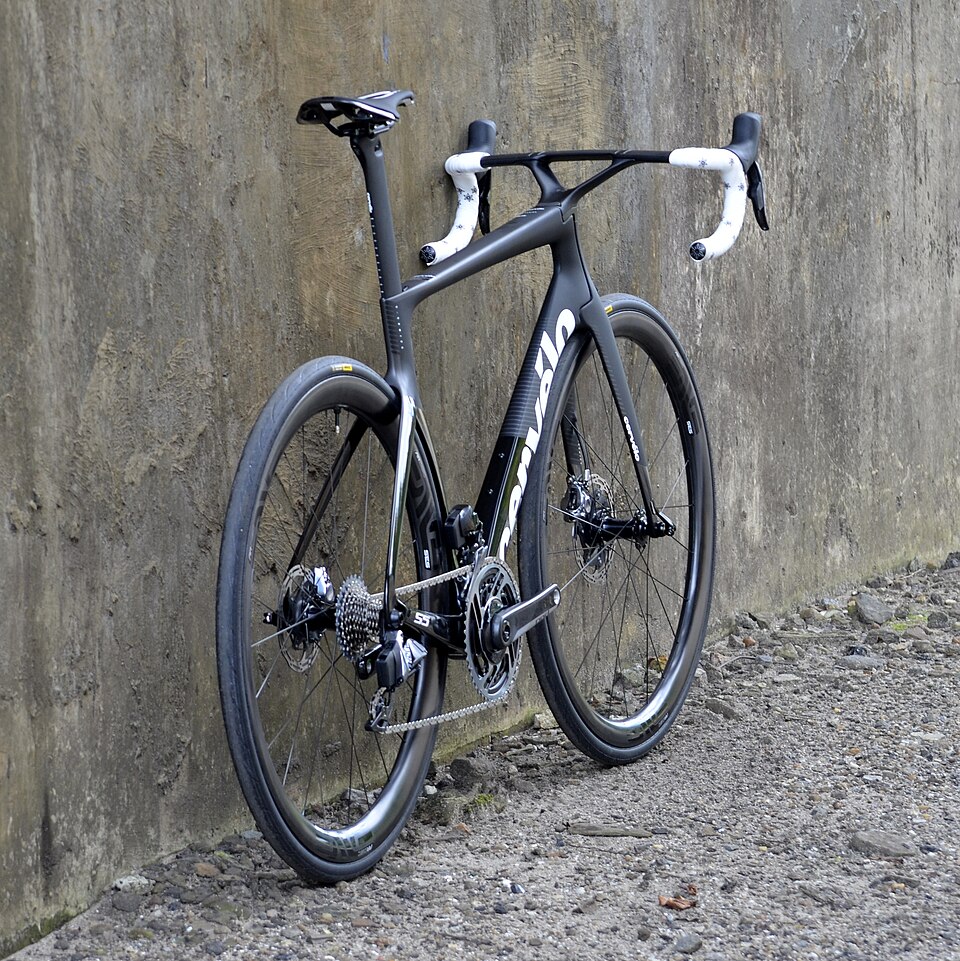
The wheelbase is the distance between the front and rear wheel axles, and it significantly influences how a bike feels on the road. A shorter wheelbase, typically 970-990mm for racing bikes, makes the bike feel snappy and agile, allowing for quick acceleration and sharp handling through tight corners. This geometry is preferred by criterium racers and riders who enjoy technical courses where quick direction changes are essential.
A longer wheelbase, often 1000-1020mm for endurance bikes, increases comfort and stability, particularly on rough roads or during long-distance rides. The extended wheelbase provides better tracking through uneven surfaces and reduces the feeling of twitchiness at high speeds. Endurance bikes typically feature longer wheelbases to enhance rider comfort during extended periods in the saddle. Professional riders report that bikes with longer wheelbases feel 20-30% more stable at speeds above 40 km/h.
The wheelbase also affects how a bike handles crosswinds and rough pavement. Shorter wheelbases can feel nervous in crosswinds, requiring more frequent steering corrections, while longer wheelbases track more steadily through gusts. On rough roads, longer wheelbases help maintain traction by keeping the wheels more consistently in contact with the ground. The wheelbase measurement interacts with other geometry factors – a bike with a slack head tube angle and long wheelbase will feel very stable, while one with a steep head tube angle and short wheelbase will feel extremely agile but potentially unstable at high speeds.
Chainstay Length: Acceleration and Handling
Chainstay length affects how a bike accelerates and handles through corners. Shorter chainstays, typically 405-410mm for racing bikes, offer snappier acceleration and sharper handling, making the bike feel more responsive when sprinting or climbing out of the saddle. This geometry is common in racing bikes where quick acceleration and agile handling are prioritized. Professional sprinters often prefer shorter chainstays because they allow for more explosive power transfer during final sprint efforts.
Longer chainstays, often 415-420mm for endurance bikes, increase comfort and stability by providing more leverage and reducing the tendency to wheelie during hard accelerations. This geometry is often used in endurance bikes for long-distance comfort, as it helps maintain traction and stability over varied terrain. The chainstay length also affects how close the rear wheel is to the rider, influencing weight distribution and handling characteristics. Longer chainstays shift more weight to the rear wheel, improving traction on climbs but potentially reducing front-wheel traction during hard braking.
Chainstay length also influences how a bike handles luggage or additional weight. Bikes with longer chainstays can better accommodate rear racks and panniers without significantly affecting handling, while shorter chainstays may become unstable with added weight. The interaction between chainstay length and wheelbase creates the bike’s overall handling personality – a bike with short chainstays and a short wheelbase will feel extremely responsive but potentially nervous, while one with long chainstays and a long wheelbase will feel very stable but less agile.
Choosing the Right Geometry for Your Riding Style
Aggressive vs. Endurance Geometry
Aggressive or racing geometry is characterized by low stack, long reach, and steep angles. This positions the rider forward and down, reducing frontal cross-sectional area to minimize air resistance. Racing geometry is ideal for criterium racing, time trials, and riders who prioritize speed over comfort. The aggressive position allows for maximum power output and aerodynamic efficiency, with professional racers reporting 5-10% improvements in speed over endurance geometry in flat time trials.
Endurance or comfort geometry features higher stack and shorter reach, promoting a more upright position to reduce strain on the back and neck. This geometry is suited for longer, less intense rides, sportives, and riders who prioritize comfort over pure performance. The upright position improves visibility and reduces fatigue during extended periods in the saddle. Studies show that endurance geometry can reduce upper body fatigue by up to 40% during rides over 4 hours compared to racing geometry.
The choice between aggressive and endurance geometry often depends on your riding goals and physical condition. Younger, more flexible riders may adapt well to aggressive positions, while older riders or those with back issues may find endurance geometry more comfortable. Many manufacturers now offer “endurance race” geometry that splits the difference, providing some of the performance benefits of racing geometry while maintaining greater comfort. Professional bike fitters report that 60-70% of recreational riders benefit from endurance or modified geometry rather than pure racing geometry.
Professional Fitting Considerations
Professional bike fit is essential to align the geometry with your body to prevent injury and enhance performance. Modern fitting uses video to analyze movement, including 3D motion capture and pressure sensors to measure weight distribution across touchpoints. This technology helps identify optimal positions that maximize comfort and efficiency. Professional fitters use tools like Retül systems that can measure joint angles and power output to determine the most efficient position for your specific body type.
Proper fit involves adjusting the saddle height, saddle angle, and handlebar position based on your flexibility and riding style, rather than just the frame size. The fitting process considers your body proportions, flexibility, and intended use to create a customized setup that works with your bike’s geometry. This ensures you can ride comfortably for hours without developing pain or discomfort. Professional fitting can improve power output by 10-15% and reduce injury risk by up to 50% compared to self-fitted positions.
Professional fitting also considers material selection and tube shapes. Lightweight, high-performance frames are typically constructed from carbon fiber or advanced aluminum alloys. The “diamond frame” is the standard design, consisting of a main triangle and a rear triangle to balance stiffness, strength, and weight. Understanding these fundamentals allows you to select a frame that matches your desired balance between speed and comfort. Professional fitters often recommend testing multiple frame geometries before purchasing, as the right fit can significantly impact your long-term enjoyment and performance in cycling.
The most surprising finding is that small geometry changes can dramatically affect how a bike feels and performs. A difference of just a few degrees in head tube angle or a few millimeters in stack and reach can transform a bike from twitchy and uncomfortable to stable and confidence-inspiring. The key action step is to get professionally fitted before purchasing a new bike, as this ensures you select the right geometry for your body and riding style, preventing costly mistakes and ensuring years of comfortable, efficient riding.