Cycling power meters have become essential tools for serious cyclists, offering precise measurement of power output that transforms training effectiveness. Modern power meters deliver accuracy within 1-1.5% error margins, with battery life ranging from 50-150 hours depending on the model.
Key Takeaway
-
Power meter accuracy typically within 1-1.5% error margins
-
Battery life ranges from 50-150 hours depending on model
-
Pedal-based systems offer easiest installation and cross-bike compatibility
-
Gravel-specific SPD pedal power meters are growing in popularity
How to Choose the Right Cycling Power Meter in 2024
Comparing Power Meter Types: Installation and Compatibility
Power meter types differ significantly in installation complexity and compatibility. Pedal-based systems like the Favero Assioma and Garmin Rally series offer the easiest installation—simply replacing your existing pedals in minutes without requiring specialized tools or bike shop assistance. These systems provide excellent cross-bike compatibility since pedals are universal across most bike frames.
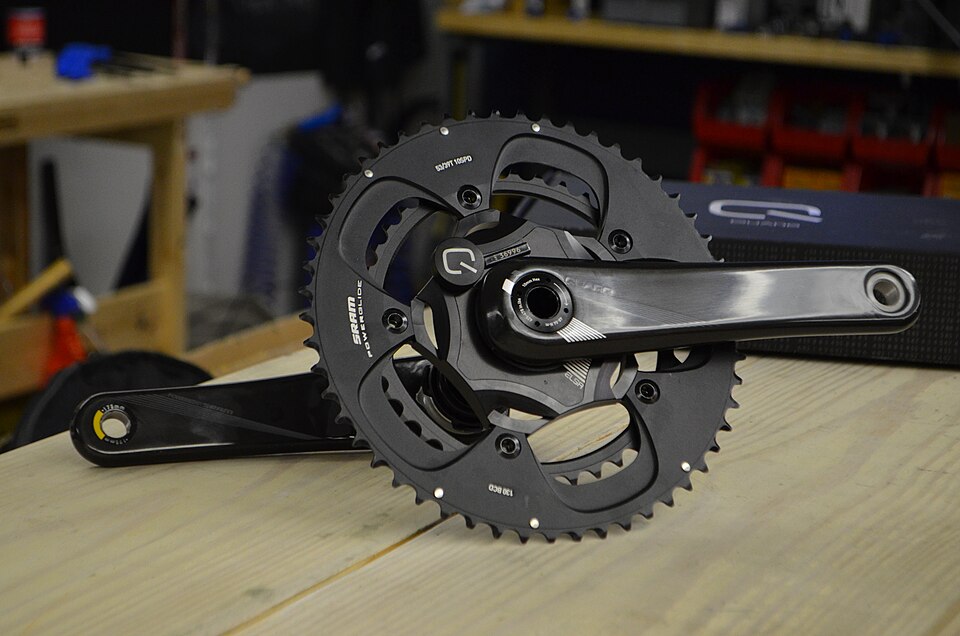
Crank-based systems such as 4iiii Precision and Stages Cycling models require more involved installation, typically needing bottom bracket removal and crank arm replacement. However, they offer superior durability and slightly better accuracy due to their central position on the drivetrain. Spider-based systems from SRAM AXS/Quarq represent the premium segment, requiring complete crankset replacement but delivering the highest precision measurements.
Price points vary accordingly: pedal-based systems typically range from $400-800, crank-based from $600-1000, while spider-based systems often exceed $1000. The choice depends on your budget, technical comfort level, and whether you need to swap the meter between multiple bikes. For cyclists who frequently change bikes or share equipment, pedal-based systems provide the most flexibility. Single-bike owners might prefer crank-based systems for their enhanced durability and marginally better accuracy.
Installation complexity directly impacts long-term satisfaction. Pedal-based systems can be installed by most cyclists in under 15 minutes with basic tools. Crank-based installations often require professional assistance, adding $50-100 to the total cost. Spider-based systems typically need complete drivetrain removal, making them the most complex option. Consider your mechanical skills honestly—the frustration of struggling with installation can outweigh the benefits of a slightly better-performing system.
Performance Specifications: Accuracy and Battery Life
-
Accuracy: Quality units maintain +/- 1-1.5% error margins, with premium models achieving even tighter tolerances. This level of precision is sufficient for most training applications, as the consistency of readings matters more than absolute accuracy for tracking progress over time.
-
Battery Life: Rechargeable batteries offer 50-150 hours of use, with pedal-based systems typically lasting 60-80 hours per charge. Some crank-based systems extend to 150 hours, while spider-based options can reach 200 hours. Battery life should match your typical ride duration—longer battery life reduces charging frequency and eliminates mid-ride power loss concerns.
-
Weight: Look Keo Blade power pedals weigh 269g per set, making them among the lightest options available. Weight differences between systems are minimal for most riders, but competitive cyclists may prioritize lighter options.
-
Connectivity: Most modern power meters support both ANT+ and Bluetooth protocols for universal device compatibility. This dual-protocol support ensures your power meter works with virtually any cycling computer, smartwatch, or smartphone app.
Accuracy consistency matters more than absolute precision for training purposes. A power meter that maintains consistent readings allows you to track progress over time, even if the absolute numbers aren’t perfectly calibrated. Battery life should match your typical ride duration—longer battery life reduces charging frequency and eliminates mid-ride power loss concerns.
Temperature compensation has become a standard feature in 2024 models, addressing one of the historical weaknesses of power meter technology. Modern units automatically adjust for temperature changes, maintaining accuracy across varying conditions. This feature is particularly important for cyclists who ride in diverse weather or at different elevations where temperature fluctuations are common.
Top Cycling Power Meter Recommendations for 2024
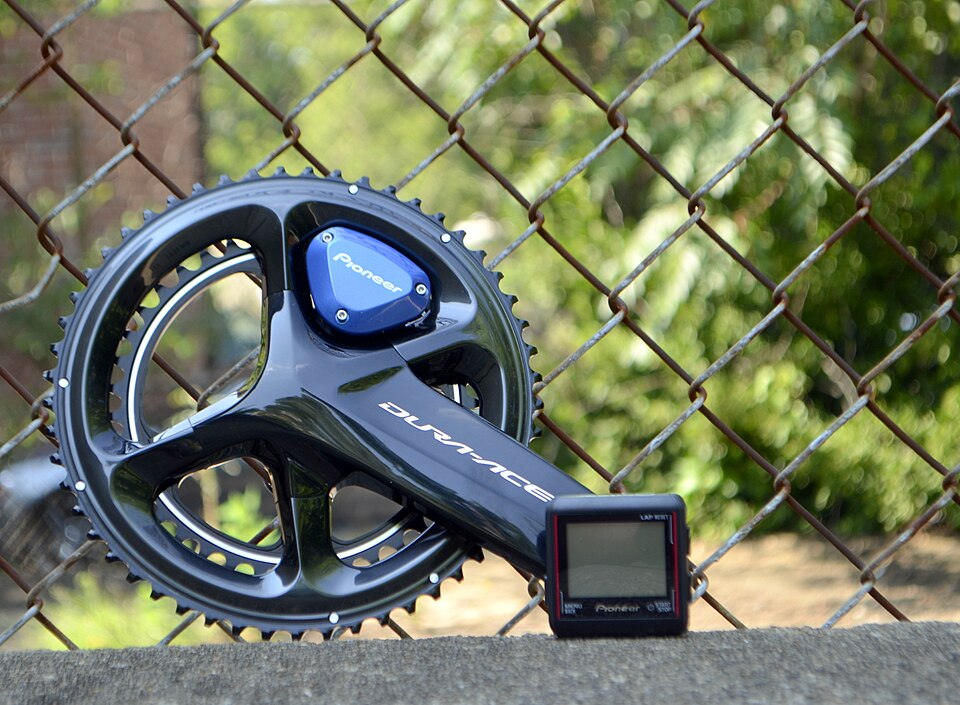
Leading Pedal-based Power Meter Models
-
Favero Assioma PRO MX-2/DUO: Dual-sided measurement with 50-hour battery life, compatible with Look Keo systems, priced around $700-800. These pedals feature automatic temperature compensation and are waterproof to IP67 standards, making them suitable for all weather conditions. The MX-2 model offers improved accuracy over previous generations and includes a built-in gyroscope for enhanced data collection.
-
Garmin Rally RS/RK/XC: Series offers road, mountain, and gravel-specific options with 120-hour battery life, priced $900-1100. The XC variant is specifically designed for off-road use with enhanced durability and mud-shedding capabilities. Garmin’s Rally series features swappable pedal spindles, allowing users to switch between road and mountain configurations without purchasing new power meters.
-
Wahoo POWRLINK ZERO: Dual-sided power measurement with 75-hour battery life, compatible with Speedplay pedals, priced around $600. These offer excellent compatibility with Speedplay users who want to maintain their preferred pedal system. The POWRLINK ZERO includes advanced features like active temperature compensation and a user-replaceable battery for extended service life.
-
Look Keo Blade Power: Lightweight option at 269g per set with 60-hour battery life, priced around $700. The integrated design provides excellent stiffness and power transfer efficiency. Look’s blade technology offers a unique combination of lightweight construction and reliable power measurement, making it popular among competitive cyclists.
Top Crank-based Power Meter Options
-
4iiii Precision 3+/3: Single or dual-sided options with 100-hour battery life, compatible with Shimano Road systems, priced $600-800. The 3+ model offers dual-sided measurement for more detailed power analysis, while the 3 model provides single-sided measurement at a lower price point. 4iiii’s Precision series is known for its excellent accuracy and reliability, with many units still functioning perfectly after five or more years of use.
-
Stages Cycling: Wide compatibility across multiple crank arm brands, 150-hour battery life, priced $700-900. Stages offers the broadest compatibility range, working with cranks from Shimano, SRAM, Campagnolo, and FSA. Their system uses a thin, lightweight pod that attaches to the crank arm, preserving the original crank’s aesthetics and performance characteristics.
-
SRAM AXS/Quarq: Premium spider-based systems with highest accuracy, 200-hour battery life, priced $1000-1500. These systems integrate seamlessly with SRAM’s electronic shifting systems and offer the most precise measurements available. Quarq’s DZero technology provides exceptional accuracy and includes features like auto-calibration and advanced data analytics.
Pedal-based systems dominate the market due to their ease of installation and ability to transfer between bikes. However, crank-based systems offer better value for single-bike owners who prioritize durability and slightly improved accuracy. Spider-based systems appeal to competitive cyclists willing to invest in maximum precision and reliability. The market has matured significantly, with even budget options now offering accuracy within the 1-1.5% range that was once only available in premium models.
Battery technology continues to improve, with many 2024 models featuring USB-C charging for faster replenishment. Some manufacturers now offer solar-assisted charging, extending battery life in sunny conditions. These improvements address one of the traditional pain points of power meter ownership—frequent charging requirements.
Installation and Compatibility Guide
Bottom Bracket and Pedal System Compatibility
|
Bike Type |
Recommended Power Meter |
Compatible Systems |
Installation Complexity |
Typical Price Range |
Best For |
|---|---|---|---|---|---|
|
Road Bike |
Pedal-based or Crank-based |
Look Keo, Shimano Road |
Low to Medium |
$400-1000 |
Performance training |
|
Mountain/Gravel |
SPD Pedal-based |
SPD, Crank-based |
Low to High |
$500-1200 |
Off-road adventures |
|
Time Trial/Tri |
Crank-based or Spider |
Specialized cranksets |
High |
$800-1500 |
Competitive racing |
|
Indoor Trainer |
Pedal-based |
Any standard pedals |
Very Low |
$400-700 |
Virtual cycling |
SPD pedal systems have become increasingly popular for mountain and gravel bikes due to their superior off-road performance and mud-shedding capabilities. These systems work particularly well with power meters because they maintain consistent engagement even in challenging conditions. Shimano Road standard compatibility covers most road cycling applications, while Look Keo systems offer lightweight performance for competitive road cyclists.
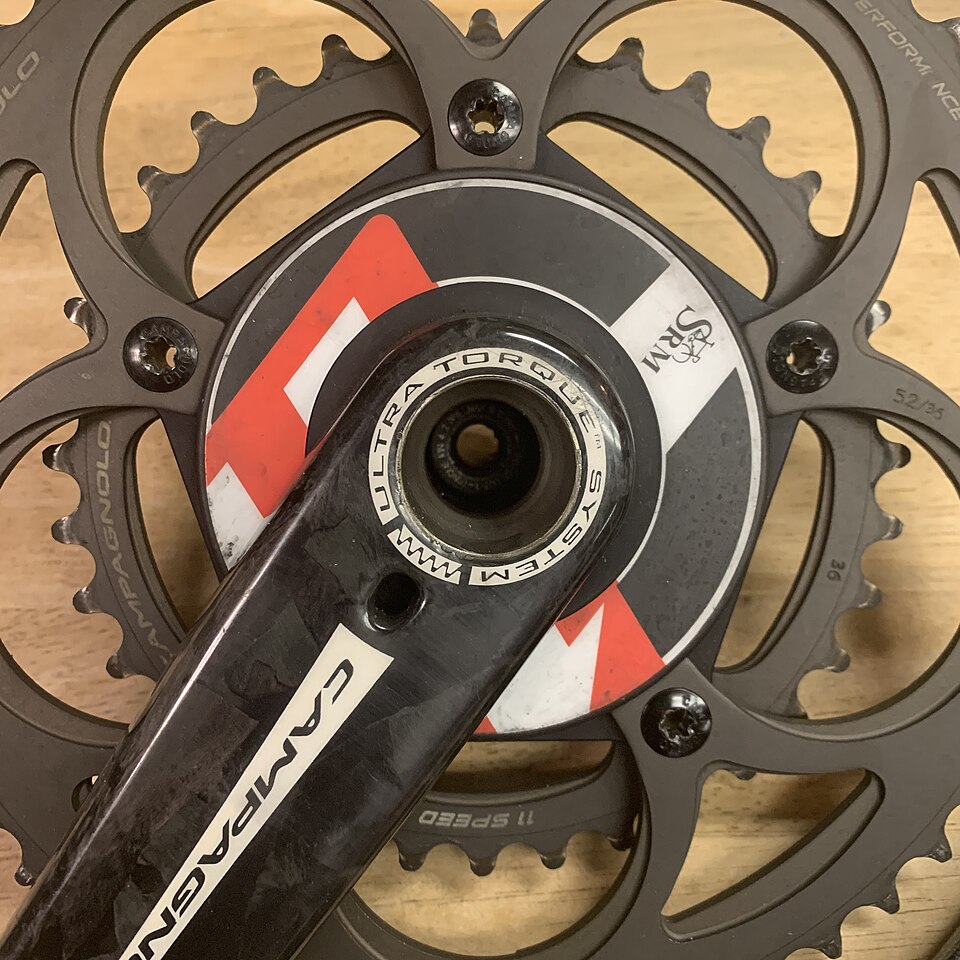
Bottom bracket compatibility is crucial for crank-based systems. Most modern systems work with standard threaded bottom brackets, but press-fit systems may require specific adapters. Always verify your bike’s bottom bracket standard before purchasing a crank-based power meter to avoid compatibility issues. Some manufacturers provide compatibility tools on their websites to help customers identify suitable options for their specific bike models.
Pedal thread standards are universal across most bikes, but some high-end models use proprietary systems. Ensure your chosen power meter pedals match your existing shoe cleat system to avoid additional compatibility purchases. The most common standards are Look Keo, Shimano SPD-SL, and Speedplay, with each offering different performance characteristics and user preferences.
Gravel-specific Power Meter Trends
The gravel cycling segment has driven significant innovation in power meter design. SPD pedal power meters specifically engineered for gravel riding offer wider platform stability and enhanced durability for rough terrain. These systems typically feature reinforced construction and improved sealing against dust and moisture.
Battery technology improvements have also benefited gravel riders, with many new models offering 100+ hour battery life to accommodate longer adventure rides. The trend toward gravel-specific power meters reflects the growing popularity of mixed-surface cycling and the need for reliable power measurement across varied terrain conditions.
Water resistance has become a critical feature for gravel power meters, with IP67 or better ratings now standard. This protection ensures reliable performance in wet, muddy, or dusty conditions that are common in gravel riding. Some manufacturers have also introduced gravel-specific features like automatic gradient compensation to account for the varied terrain encountered during gravel rides.
Gravel power meters often include enhanced impact resistance, as the rough terrain can subject equipment to more vibration and shock than smooth road surfaces. Reinforced housing and shock-mounted components help these meters survive the rigors of gravel riding while maintaining accuracy. The growing gravel market has also driven down prices for durable, weather-resistant power meters, benefiting all cyclists regardless of their primary discipline.
The most surprising finding in 2024 power meter development is how battery life has improved while prices have remained stable or even decreased. What was once a $1500 premium feature is now available for under $700, making accurate power measurement accessible to recreational cyclists. For your next step, identify your primary cycling discipline and existing pedal or crank system—this will immediately narrow your options to compatible models that match your specific needs.