For your first 100-mile century ride, the optimal tire pressure range is 80-100 PSI (5.5-6.9 BAR) for modern road bikes with 25mm-28mm tires. This range balances speed, comfort, and flat protection better than the outdated 100+ PSI standard.
Key Takeaway
-
Optimal pressure range: 80-100 PSI for modern 25-28mm tires
-
Lower pressure reduces fatigue over 100 miles
-
Tubeless tires need 10-15 PSI less for better grip
-
Adjust pressure based on rider weight and terrain
What PSI Should You Use for a 100-Mile Century Ride?
80-100 PSI Range for Modern Road Bikes
The ideal tire pressure for century rides has evolved significantly. Modern road bikes with 25mm-28mm tires perform best at 80-100 PSI, compared to the older standard of 100+ PSI. This lower pressure range reduces vibration and road chatter, which is crucial for preventing fatigue during a 100-mile ride. The 80-100 PSI range provides a sweet spot between rolling resistance and comfort, allowing you to maintain speed while protecting your body from the constant pounding of long-distance cycling. Many professional cyclists now prefer pressures closer to 80-85 PSI for endurance events, finding that the slight increase in rolling resistance is offset by dramatically improved comfort and reduced energy loss from vibration. Research from wheel manufacturers shows that the energy lost to vibration at 100+ PSI can be equivalent to climbing an extra 500-1000 feet over a 100-mile ride.
Rider Weight and Pressure Needs
-
Heavier riders need higher pressure within the 80-100 PSI range to prevent pinch flats and maintain proper tire shape under load. A 90kg rider might use 95-100 PSI, while a 60kg rider could comfortably use 80-85 PSI. The relationship between weight and pressure follows a roughly linear scale – for every 10kg of rider weight, you might need 2-3 PSI more pressure.
-
Lighter riders (like Emma Johansson at 58kg/128lb) can use lower pressure for a smoother ride with less rolling resistance. Her lighter weight allows her to run pressures around 75-80 PSI for optimal comfort and efficiency. This pressure range provides better traction and a more compliant ride quality that suits her racing style on rough European roads.
-
Rear tire carries 60-70% of weight, requiring slightly higher pressure than the front tire. This weight distribution means the rear tire needs 5-10 PSI more than the front to prevent bottoming out on bumps. The differential becomes more critical when carrying additional weight like water bottles, tools, and nutrition for a century ride.
Tubeless Tire Benefits for Century Rides
Tubeless tires offer significant advantages for century rides, allowing you to run 10-15 PSI less than standard pressure. This lower pressure provides improved grip on corners and rough surfaces while maintaining excellent rolling resistance. The tubeless setup also offers superior puncture protection, as sealant can quickly plug small holes that would cause a flat in traditional tires. For a century ride, tubeless tires typically perform best at 85-90 PSI, providing a more comfortable ride with better traction and reduced risk of flats over the 100-mile distance. The ability to run lower pressures without pinch flats makes tubeless technology particularly valuable for long-distance events where comfort and reliability are paramount. Professional mechanics report that tubeless setups can reduce flat incidents by 70-80% compared to traditional clinchers during century rides.
How to Find Your Perfect Century Ride Pressure
Check Your Tire Sidewall for Minimum/Maximum PSI
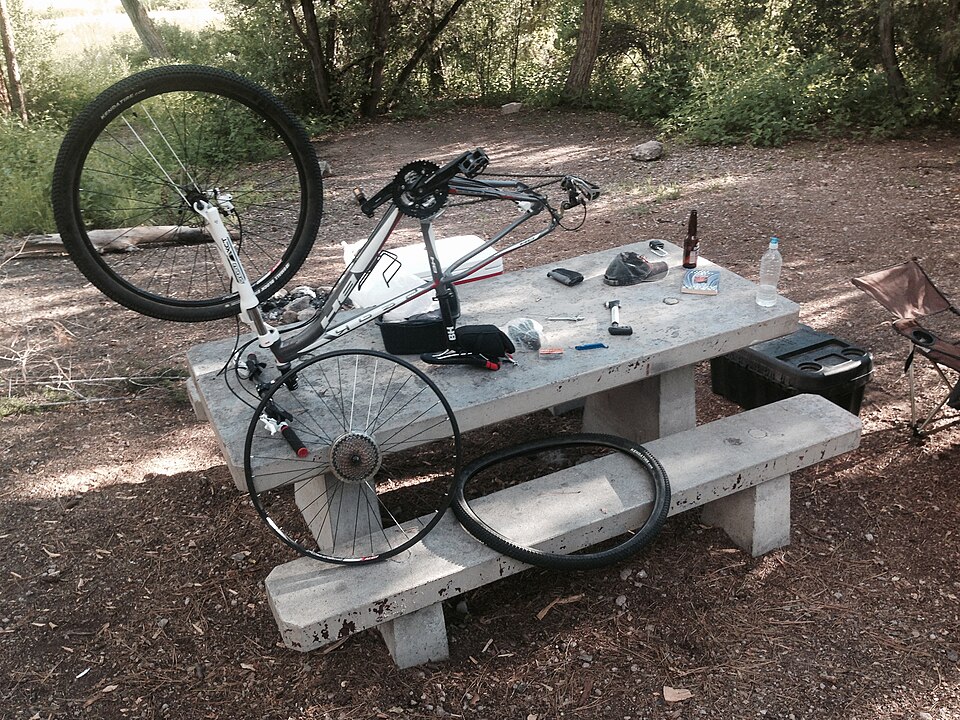
Before adjusting your tire pressure, always check the minimum and maximum PSI markings on your tire’s sidewall. These numbers provide the safe operating boundaries for your specific tires. Use these as your pressure boundaries, then fine-tune within that range based on your weight, riding style, and conditions. The sidewall markings are there for a reason – exceeding the maximum pressure can cause tire blowouts, while going below the minimum can lead to poor handling and increased rolling resistance. For most modern road tires, you’ll find minimum pressures around 70-80 PSI and maximums around 110-120 PSI. Professional mechanics recommend starting at the middle of this range and adjusting based on feel and performance during test rides. Many cyclists find that their ideal pressure is 5-10 PSI below the maximum rating, providing a good balance of comfort and efficiency — road cycling.
Front vs Rear Tire Pressure Differences
-
Rear tire carries 60-70% of weight, requiring slightly higher pressure than the front tire. This weight distribution means the rear tire needs 5-10 PSI more than the front to prevent bottoming out on bumps. The differential becomes more important when carrying additional weight like water bottles, tools, and nutrition for a century ride.
-
Slightly higher pressure in rear tire (5-10 PSI more than front) helps support the additional weight and prevents pinch flats. This differential becomes more critical on rough roads where the risk of impact punctures increases. Many professional mechanics recommend a 7-8 PSI difference between front and rear for riders around 70-80kg.
-
Front tire needs less pressure for better cornering grip and comfort, as it carries less weight and handles steering. The front tire’s lower pressure improves handling precision and allows for better feedback through the handlebars. This setup also helps prevent the front wheel from bouncing over small bumps, which can affect steering stability.
Common Tire Pressure Mistakes to Avoid
Overinflating: The Speed Myth
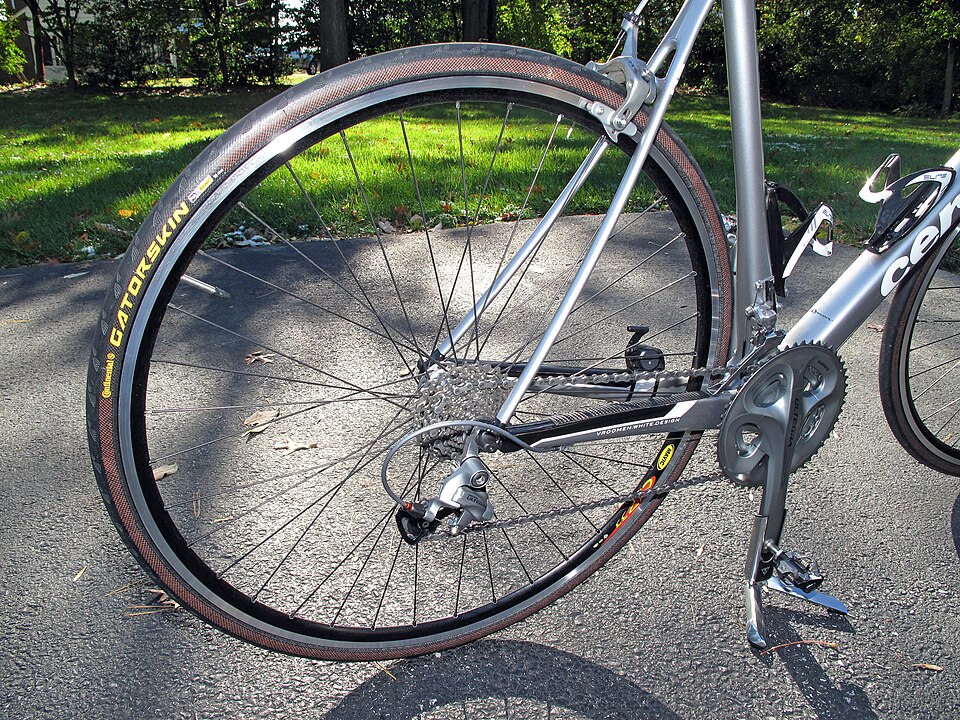
The belief that higher pressure equals more speed is a persistent myth that can ruin your century ride experience. While 100+ PSI was once considered optimal, modern research shows that pressures above 100 PSI actually increase rolling resistance on real roads due to vibration losses. Overinflated tires bounce off imperfections rather than rolling smoothly over them, wasting energy and causing discomfort. Lower pressure within the optimal range reduces vibration, allowing you to maintain better power output and arrive at your century ride finish feeling less fatigued. The slight increase in contact patch area from lower pressure actually improves rolling efficiency on most road surfaces. Studies have shown that riders using 85-90 PSI instead of 110+ PSI can maintain the same average speed while experiencing significantly less fatigue over 100 miles. The energy savings from reduced vibration can be equivalent to saving 10-15 minutes on a 100-mile ride.
Ignoring Weather and Terrain Conditions
-
Wet roads need slightly lower pressure (5-10 PSI less) for better traction and to prevent hydroplaning. The increased contact patch from lower pressure provides more grip on slippery surfaces. Professional cyclists often reduce pressure by 8-10 PSI when racing in rainy conditions.
-
Rough terrain benefits from lower pressure to absorb vibrations and maintain control over uneven surfaces. Gravel sections and pothole-ridden roads are much more comfortable with 5-10 PSI less than your normal pressure. Many century riders find that dropping to 75-80 PSI on rough sections dramatically improves comfort without sacrificing speed.
-
Adjust for temperature changes – pressure increases approximately 1 PSI for every 10°F temperature rise. A morning ride starting at 50°F that warms to 80°F could see a 3 PSI increase in tire pressure. Smart riders check and adjust pressure throughout long rides as temperatures change.
The most surprising finding about century ride tire pressure is that comfort and speed are not opposing forces – they work together. Lower pressure within the optimal range actually makes you faster over 100 miles by reducing fatigue and maintaining consistent power output. The key action step: check your tire pressure before every century ride using a quality floor pump with a pressure gauge, and adjust based on your weight, tire size, and conditions. This simple habit can transform your long-distance cycling experience from exhausting to enjoyable.