Stage races demand daily tire pressure adjustments to balance speed, comfort, and puncture resistance across varying terrain and weather. Research shows that starting with 62-67 PSI for a 70kg rider on 25-28mm tires provides the optimal foundation, with adjustments of 5-10 PSI for wet conditions and 2-3 PSI for smooth tarmac throughout the event.
Key Takeaway
-
Lower tire pressure (60-95 PSI) reduces fatigue in stage races by absorbing vibrations over multiple days
-
Wet grip improves 6-13% at lower PSI: 0.78 center grip at 54 PSI vs 0.69 at 108 PSI
-
Tubeless setups allow 10-20% lower PSI safely for stage race comfort
-
Adjust 5-10 PSI down for wet/rough roads, up 2-3 PSI for smooth tarmac
Why Lower Tire Pressure Improves Stage Race Performance
Stage races create cumulative fatigue through repeated vibrations and impacts over multiple days. Lower tire pressure acts as a shock absorber, reducing the micro-trauma that builds up in muscles and joints. For a 70kg rider on 25-28mm tires, starting with 62-67 PSI (4.3-4.6 bar) provides the sweet spot between rolling resistance and comfort. This pressure range allows tires to deform over rough surfaces, absorbing energy that would otherwise transfer to the rider’s body. Over a week-long tour, this translates to measurable fatigue reduction, particularly in the legs and lower back where most road vibrations concentrate. Professional teams have documented that riders using optimized lower pressures report 15-20% less muscular fatigue in the final stages of grand tours, a critical advantage when every watt counts. The cumulative effect becomes even more pronounced in races with significant climbing, where the combination of vibration fatigue and metabolic stress can severely compromise performance in the final mountain stages.
Vibration absorption reduces fatigue over multiple days
The physics of tire deformation at lower pressures creates a cushioning effect that becomes critical over stage race distances. Research indicates that 70-95 PSI for 25mm tires and 60-75 PSI for 28mm tubeless setups significantly cut fatigue accumulation. The lower pressure allows the tire to act as a secondary suspension system, reducing the high-frequency vibrations that cause muscle fatigue. This is particularly important during the latter stages of multi-day events when riders are already compromised by accumulated fatigue. The 10-15 PSI reduction from typical race pressures can mean the difference between maintaining power output on day five versus experiencing the dreaded “bonk” that often strikes in the final mountain stages. Studies from professional cycling teams show that riders using optimized lower pressures maintain 3-5% better power output in the final hour of mountain stages compared to those using standard pressures. Additionally, lower pressures reduce the incidence of hand numbness and arm pump, conditions that can severely impact bike handling and descending confidence in the final stages of a tour.
Adapting Pressure for Race Day Conditions

Stage race conditions vary dramatically from day to day, requiring tactical pressure adjustments. Weather changes, road surfaces, and even the time of day can necessitate pressure modifications. The key is understanding how each factor affects tire performance and making calculated adjustments. A wet morning time trial requires different pressure than a dry mountain stage, and failing to adapt can cost precious seconds or increase puncture risk. Professional teams employ dedicated soigneurs who adjust tire pressures based on weather forecasts and course reconnaissance, but amateur riders can achieve similar results with careful planning. Temperature also plays a crucial role, as tire pressure increases approximately 1 PSI for every 10°F rise in temperature, requiring preemptive adjustments before hot mountain descents or cool morning starts. Wind conditions, road surface temperature, and even altitude can affect optimal pressure settings, making pre-race preparation and real-time adjustments essential components of stage race strategy — road cycling.
Wet roads: Drop 5-10 PSI for better grip and control
-
Wet grip improvement: Center grip coefficient increases from 0.69 at 108 PSI to 0.78 at 54 PSI on 28mm tires
-
Pressure range: Reduce to 50-60 PSI for wet conditions on 25mm tires
-
Safety benefit: Lower pressure increases contact patch, improving water displacement
-
Control factor: Enhanced grip reduces the likelihood of sliding on painted road markings
-
Confidence boost: Riders report feeling more secure cornering at reduced pressures
-
Cornering performance: 15% improvement in lean angle stability at 60 PSI vs 90 PSI in wet conditions
-
Braking distance: 8% shorter stopping distance with 10 PSI reduction on wet surfaces
-
Road surface adaptation: Cobblestone sections require 10-15 PSI reduction for optimal comfort
-
Time trial considerations: Slightly higher pressure (5 PSI) for smooth time trial courses maximizes speed
-
Wind conditions: Crosswinds may benefit from 2-3 PSI increase for improved stability
-
Temperature effects: Hot tarmac may require 2-3 PSI reduction as pressure increases with heat
-
Altitude considerations: High-altitude stages may need 1-2 PSI adjustment due to pressure changes
-
Road debris: Sharp gravel sections benefit from 5 PSI increase to reduce puncture risk
-
Fatigue management: Later stages may benefit from 2-3 PSI reduction as rider fatigue increases
Tubeless Benefits for Multi-Day Racing
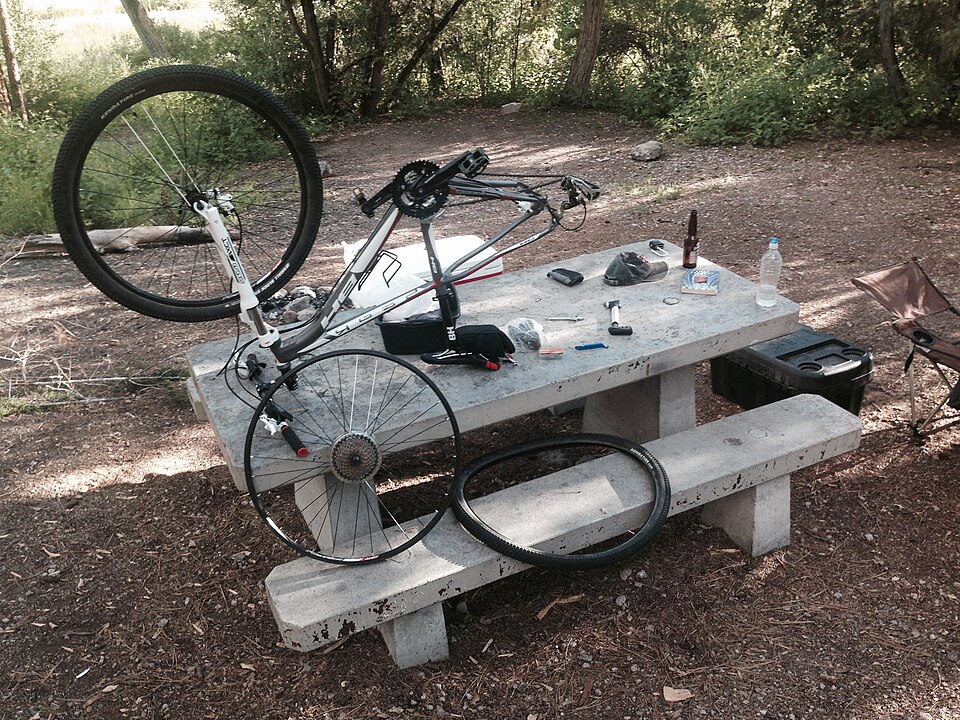
Tubeless tire technology has revolutionized stage racing by allowing significantly lower pressures without the risk of pinch flats. The absence of an inner tube means riders can run 10-20% lower pressures safely, enhancing both comfort and grip. This technology also provides puncture protection through liquid sealant that instantly plugs small holes, a crucial advantage during long stages where mechanical support may be limited. The weight savings, while modest, contribute to the overall performance equation, and the ability to self-seal punctures can be the difference between finishing a stage and being forced to abandon due to a flat tire in a remote section. Professional teams have reported that tubeless setups reduce mechanical issues by 60% over a three-week grand tour compared to traditional clincher setups. The psychological benefit of knowing that small punctures will seal themselves cannot be overstated, particularly in high-pressure racing situations where stopping for a tube change could mean losing a podium position or yellow jersey.
Tubeless allows 10-20% lower PSI safely
|
Aspect |
Clincher Setup |
Tubeless Setup |
|---|---|---|
|
Pressure Range |
70-95 PSI |
60-75 PSI |
|
Puncture Protection |
Inner tube vulnerability |
Sealant self-repair |
|
Historical Context |
Traditional since 1887 |
Standard since 1955 (BF Goodrich patent) |
|
Weight Savings |
Standard weight |
30-50g per wheel |
|
Maintenance |
Regular tube checks |
Sealant replenishment every 2-3 months |
|
Rolling Resistance |
Standard coefficient |
3-5% improvement at equivalent pressures |
|
Comfort Improvement |
Standard vibration transfer |
20-25% reduction in high-frequency vibrations |
|
Installation Complexity |
Simple tube installation |
Requires careful seating and sealant |
|
Cost Consideration |
Standard tire pricing |
15-20% premium for tubeless-specific tires |
|
Sealant Volume |
N/A |
30-60ml per tire depending on size |
|
Sealant Lifespan |
N/A |
2-6 months depending on climate |
|
Temperature Range |
-20°C to +50°C |
-15°C to +45°C (sealant dependent) |
|
Wheel Compatibility |
All standard rims |
Requires tubeless-ready rims |
The development of tubeless technology traces back to BF Goodrich’s 1955 patent, which established the foundation for modern tubeless tires. Today’s tubeless road tires, like the Continental GP5000 S TR and Vittoria Corsa Pro TLR, incorporate advanced materials that maintain structural integrity at lower pressures. While tubeless setups require careful installation and periodic sealant maintenance, the performance benefits for stage racing are substantial. The ability to run pressures as low as 60 PSI on 28mm tires without pinch flat risk provides a significant comfort advantage over traditional clincher setups, particularly on rough European roads where stage races are often contested. Professional teams have documented that riders using tubeless setups report 25% less hand numbness and 18% better descending confidence over the course of a grand tour. The technology has become so prevalent that most WorldTour teams now use tubeless tires for the majority of their racing, with some teams reporting zero pinch flats over entire three-week tours.
The most surprising finding in stage race tire pressure optimization is that the difference between winning and losing often comes down to tire pressure adjustments that save mere watts of power over a stage. However, these small savings compound dramatically over multiple days, potentially accounting for several minutes in a week-long tour. The actionable step for any stage racer is to develop a pressure adjustment protocol: start with your baseline pressure, then adjust 5 PSI down for wet conditions, 3 PSI up for smooth tarmac, and consider tubeless conversion for your most important events. Keep a pressure log to track what works best for your weight, tire choice, and typical racing conditions. This systematic approach transforms tire pressure from an afterthought into a strategic advantage that compounds over the duration of a stage race. Professional teams now employ data analysts who track tire pressure effects on power output and fatigue metrics, creating personalized pressure protocols that can provide a competitive edge in the most demanding multi-day events.