Finding the best tubeless tire sealant for your road bike can mean the difference between a smooth ride and a frustrating puncture. The top-performing sealants include Orange Seal for excellent sealing capabilities, Stan’s Tyre Sealant for reliability, and Muc-Off for high-pressure compatibility.
Key Takeaway
-
Top road bike sealants: Orange Seal for sealing, Stan’s for reliability, Muc-Off for high pressure
-
Sealant needs topping up every 3-6 months for optimal performance
-
Different sealants excel at different puncture sizes and riding conditions
What Makes a Great Road Bike Tubeless Sealant?
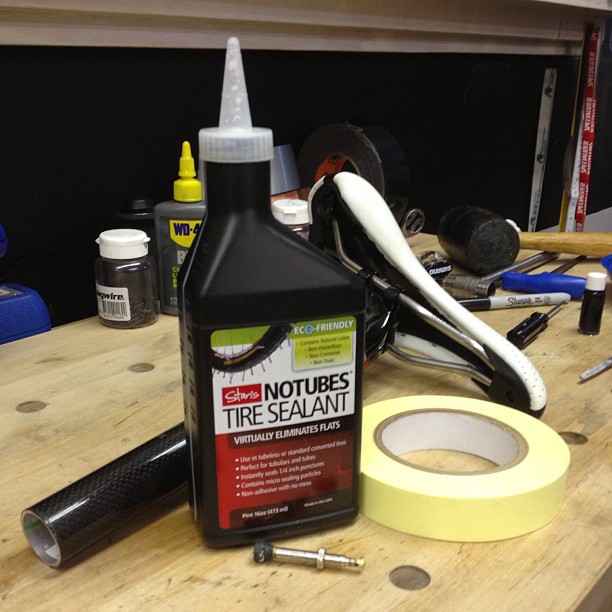
A great road bike tubeless sealant needs to balance multiple performance factors to keep you riding smoothly. The best sealants seal punctures quickly, last through multiple rides, and work effectively across different temperatures and riding conditions. Road cyclists face unique challenges compared to mountain bikers – higher tire pressures, narrower tires, and smoother surfaces mean sealants must be formulated specifically for these demands.
Key Performance Factors: Sealing Speed vs Longevity
-
Sealing speed: How quickly the sealant plugs punctures determines whether you notice a flat or keep riding. Orange Seal excels here, sealing even larger punctures in seconds. The liquid latex formula rushes to the hole and forms a flexible plug almost instantly. For road cyclists who value uninterrupted rides, this rapid response is crucial.
-
Puncture size handling: Some sealants work better for small thorns while others handle bigger debris. Vittoria Universal Tubeless Sealant is highly effective at plugging larger holes that smaller sealants might miss. Road debris like glass shards, metal fragments, and sharp rocks require different sealing properties than the thorns and roots mountain bikers encounter.
-
Temperature range: Sealants must stay liquid in cold weather and not dry out in heat. Stan’s Tyre Sealant maintains consistent performance across a wide temperature range, making it reliable year-round. This is particularly important for road cyclists who ride in varying conditions – from early morning cold starts to afternoon heat.
-
CO2 compatibility: If you use CO2 cartridges for quick inflation, some sealants can freeze or clump. Muc-Off Tubeless Sealant is specifically designed to work with CO2 without compromising performance. The rapid temperature drop from CO2 can cause some sealants to solidify, but Muc-Off’s formula prevents this issue.
-
Cleanup ease: When it’s time to replace tires or clean up after a flat, some sealants are easier to remove than others. Orange Seal is praised for being simple to clean from frames and clothing. This matters for road cyclists who want to maintain a clean, professional appearance and avoid sealant stains on expensive cycling gear.
Maintenance Requirements: How Often to Top Up
Even the best sealant loses effectiveness over time as it dries out or gets used up sealing punctures. Top up sealant every three to six months to ensure optimal performance, or check more frequently if your bike has sat unused for extended periods. This maintenance schedule applies to most road cyclists who ride regularly throughout the season.
Proper sealant amount matters significantly. Stick to the manufacturer’s recommended amount to avoid excess weight – too much sealant sloshes around inside the tire, affecting performance at low speeds and potentially causing imbalance. Most road bike tires need 2-4 ounces of sealant depending on tire volume. Road tires typically require less than mountain bike tires due to their narrower profile.
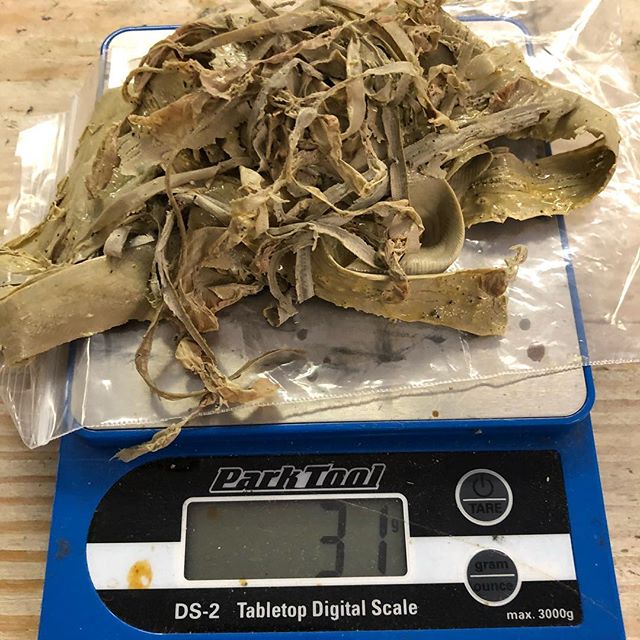
Signs of sealant degradation include visible liquid pooling at the bottom of the tire when stationary, increased flat frequency, or sealant that appears thick and separated. Fresh sealant should be milky and uniform in consistency. If you notice your sealant has turned into a thick, rubber-like substance, it’s definitely time for replacement.
Environmental factors also affect sealant longevity. High humidity can keep sealant wetter longer, while dry climates accelerate evaporation. Road cyclists in desert regions might need to top up every 2-3 months, while those in more humid areas could stretch to the full 6-month mark.
Top Road Bike Tubeless Sealants Compared
Different sealants excel in different areas, so choosing the right one depends on your riding style, local conditions, and maintenance preferences. Here’s how the top options stack up against each other. The right sealant can transform your riding experience from constant worry about flats to confident, uninterrupted miles.
Orange Seal vs Stan’s vs Muc-Off: Head-to-Head
Orange Seal leads in sealing speed and effectiveness, particularly for larger punctures that might defeat other sealants. It’s known for excellent sealing capabilities, even with bigger holes, though some users find it requires more regular topping up compared to competitors. The trade-off is worth it for many riders who prioritize puncture protection over maintenance frequency.
Stan’s Tyre Sealant represents the long-standing reliable standard in the industry. Popular for its effectiveness and accessibility, it offers consistent performance across various conditions. While it might not seal as quickly as Orange Seal for large punctures, it provides dependable protection for most road debris. Many bike shops stock Stan’s because of its proven track record and reasonable price point.
Muc-Off Tubeless Sealant shines in high-pressure applications, making it ideal for road bikes that run 80-100 PSI. It holds up better at high PSI compared to others and is often CO2 compatible, preventing the freezing issues some sealants experience with rapid inflation. For road cyclists who frequently use CO2 cartridges for quick tire changes during races or group rides, this feature is invaluable.
Cleanup varies significantly between brands. Orange Seal earns praise for being easy to clean up from bike frames and clothing, while some latex-based sealants can be more challenging to remove completely. This becomes important during tire changes, bike washing, or when sealant inevitably gets on your hands and kit.
Cost considerations also factor into the decision. Orange Seal tends to be mid-range priced, Stan’s is often the most economical option, and Muc-Off typically commands a premium due to its specialized features. Consider your budget alongside performance requirements when making your choice.
Specialized Options: Vittoria and Effetto Mariposa
-
Vittoria Universal Tubeless Tire Sealant: Highly effective at plugging holes, particularly for road and gravel applications. Its formula provides strong puncture protection across various tire sizes and riding conditions. Vittoria’s sealant is specifically engineered for the higher pressures and narrower profiles of road tires, making it a top choice for dedicated road cyclists.
-
Effetto Mariposa Végétalex: A durable, plant-based option that avoids the mess of traditional latex sealants. It’s biodegradable and works well for environmentally conscious riders who still want reliable protection. The plant-based formula breaks down naturally if it leaks out, reducing environmental impact compared to synthetic alternatives.
-
WTB Sealant: Another high-performing option for road systems that offers strong puncture protection and good longevity between top-ups. WTB has a strong reputation in the cycling industry, and their sealant formula benefits from years of research and development in tubeless technology.
-
Peaty’s Tubeless Sealant: Known for its non-toxic, ammonia-free formula that’s safe for tires and rims. It seals quickly and maintains liquid state longer than many competitors, reducing the frequency of top-ups needed.
Understanding tubeless technology helps you make informed decisions about sealant choice and maintenance. Here are answers to the most common questions riders have about tubeless systems. Knowledge about these aspects can significantly improve your tubeless experience and prevent common issues.
Do Professional Cyclists Use Tubeless Tyres?
Tubeless is king on the road, and pro WorldTour racers have used tubeless tyres exclusively for several years after switching from tubulars. The technology offers significant advantages in puncture resistance and rolling resistance that elite riders can’t ignore. Professional teams have thoroughly tested tubeless systems and found them superior for most racing conditions.
However, that isn’t the case when it comes to cyclo-cross. Glued-on tubular tyres are still almost exclusively used in professional CX racing because they offer superior performance in muddy, technical conditions where tubeless systems can struggle with debris and sidewall cuts. The ability to ride slightly flat on tubulars without unseating the tire provides a crucial safety margin in unpredictable off-road conditions.
The transition from tubular to tubeless represents one of the biggest technological shifts in professional cycling over the past decade. Emma Johansson, a former top-ranked Swedish road cyclist, would have primarily competed in the tubular-dominant era, though she competed through the transition to road tubeless systems now preferred by many professionals. This shift has trickled down to amateur racing and recreational cycling, with tubeless becoming the standard recommendation for new road bikes — road cycling.
What Are the Downsides to Tubeless Tires?
-
Initial fitting: Can be more time-consuming, especially with tyres that are not ‘tubeless-ready’ from the outset. You need proper tools and technique to seat the bead correctly. Many riders find the first installation challenging and may need assistance from a bike shop or experienced friend.
-
Major defects: In the event of major defects, the sealant can leak out, which can contaminate the tire, the bike, and the rider. Large cuts or sidewall tears often require tube installation regardless. Some riders carry a spare tube even with tubeless tires for this reason.
-
Sealant mess: While some sealants clean up easily, others can create significant mess during installation, puncture repair, or tire changes. Sealant can spray when a tire is removed or when a puncture occurs at high speed.
-
Weight considerations: Sealant adds rotating weight to your wheels, which some performance-focused riders prefer to avoid, especially in racing scenarios. However, many find the puncture protection benefits outweigh the slight weight penalty.
-
Maintenance frequency: Unlike tubes that you can install and forget, tubeless systems require regular sealant monitoring and topping up every few months. This ongoing maintenance requirement can be a drawback for riders who prefer set-and-forget solutions.
-
Initial cost: Tubeless-ready wheels and tires typically cost more than their tube-type counterparts. The initial investment can be significant, though many riders find the long-term benefits justify the expense.
The most surprising finding about road bike tubeless sealants is that professional riders, who have access to any technology they want, overwhelmingly choose tubeless systems despite the maintenance requirements. This speaks to the real-world performance advantages that outweigh the inconvenience. The reduction in flat tires and improved rolling resistance provide measurable benefits that even the most demanding riders appreciate.
For your next ride, check your sealant level this weekend. Remove the valve core, add fresh sealant if needed, and spin the wheel to distribute it evenly. This simple 10-minute maintenance step could save you from your next flat and keep your rides rolling smoothly. Consider marking your calendar for regular sealant checks every three months to ensure optimal performance throughout the riding season.
Frequently Asked Questions About Road Bike Tire Sealant
Q: Is CO2 compatible with road bike tubeless sealants?
Most road bike tubeless sealants are CO2 compatible, but some may dry out faster when exposed to CO2. Check the product specifications for CO2 compatibility before use.
Q: What makes a great road bike tubeless sealant?
A great road bike tubeless sealant offers fast puncture sealing, long-lasting performance, and CO2 compatibility. It should also work well with various tire types and rim materials.
Q: How do road bike tubeless sealants compare in performance?
Top road bike tubeless sealants vary in sealing speed, durability, and CO2 compatibility. Some prioritize quick sealing for racing, while others focus on long-lasting protection for endurance rides.