Cycling training for women requires understanding how female physiology differs from men’s and adapting training approaches accordingly. Women’s bodies have unique advantages and challenges that, when properly addressed, can lead to optimized performance and results in road cycling.
- Women have 10-12% lower hemoglobin per kg body mass, requiring higher relative training loads
- Female cyclists excel at fat oxidation and sprint fatigue resistance but have lower absolute power
- Strength training provides greater relative gains in cycling economy for women
- Menstrual cycle phases should guide training intensity and recovery periods
- Women’s pro races are shorter (4.5-5hrs vs men’s 6+hrs) but demand higher relative loads
How Women’s Physiology Affects Cycling Performance
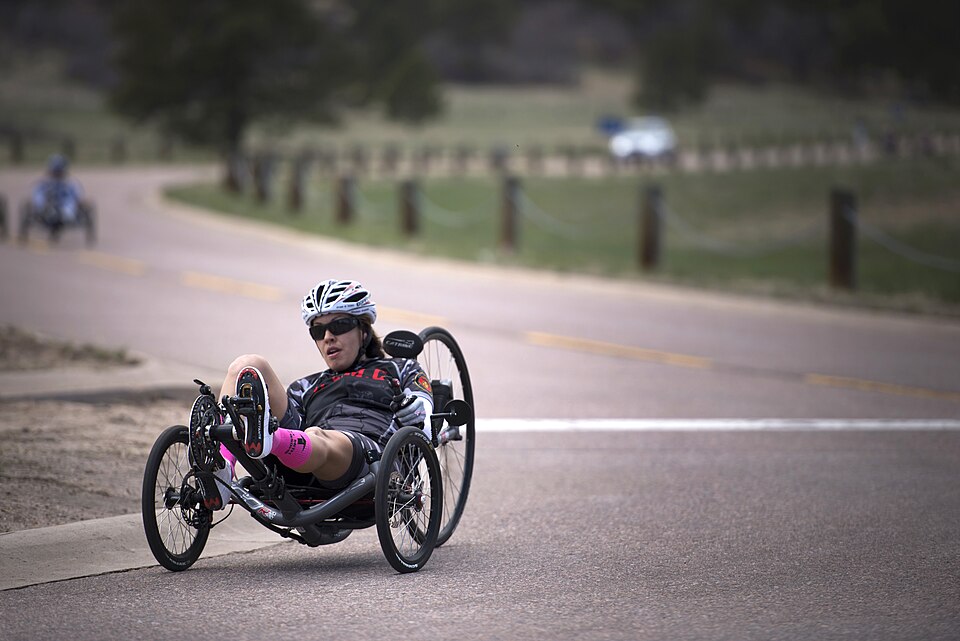
Women’s physiological differences from men create both advantages and challenges in cycling performance. Understanding these differences is crucial for developing effective training strategies.
Hemoglobin and Oxygen Transport Differences: 10-12% Lower Per Kg Body Mass
Women have approximately 10-12% lower hemoglobin per kilogram of body mass compared to men, according to CyclingWeekly’s 2017 analysis of gender differences in cycling. This reduction in oxygen-carrying capacity means women’s muscles receive less oxygen during high-intensity efforts, which can limit VO2 max and overall aerobic performance. The iron requirement for women is also higher at 14.8mg per day, and even more when active, to support blood production and oxygen transport. These physiological differences necessitate higher relative training loads to achieve comparable adaptations to male cyclists.
Fat Oxidation and Sprint Fatigue Resistance: Women’s Metabolic Advantages
Women possess several metabolic advantages that benefit cycling performance. Female cyclists excel at fat oxidation during submaximal efforts, allowing them to spare glycogen stores and maintain energy levels during longer rides. Research from OnlineCycleCoaching shows women can sustain higher percentages of their maximum fat-burning capacity compared to men. Additionally, women demonstrate superior sprint fatigue resistance, maintaining power output better during repeated high-intensity efforts. These advantages create different energy system demands, with women relying more heavily on aerobic metabolism and fat as fuel sources during endurance efforts.
Power Output and VO2 Max: Understanding the Performance Gap
Women typically have lower absolute power output and VO2 max compared to men of similar training status. This performance gap stems from physiological differences including smaller muscle mass, lower hemoglobin levels, and hormonal variations. However, when training loads are measured relatively (as a percentage of maximum capacity), women often require higher relative intensities to achieve similar adaptations. Human Kinetics research from 2023 demonstrated that women’s professional races show higher relative training impulse (TRIMP) scores despite shorter race durations, indicating greater relative physiological stress during competition.
Training with Your Menstrual Cycle: Phase-Specific Strategies
The menstrual cycle creates hormonal fluctuations that significantly impact training capacity, recovery needs, and performance potential. By aligning training with these natural cycles, female cyclists can optimize their workouts and recovery periods.
Follicular Phase: High-Intensity Training and Power Development
The follicular phase (approximately days 1-14 of the cycle) is characterized by rising estrogen levels and typically lower core body temperature. This phase supports high-intensity training and power development exceptionally well. Research from Frontiers in Sports and Active Living (2024) indicates that women can handle greater training stress and recover more quickly during the early follicular phase. This makes it an ideal time for VO2 max intervals, sprint workouts, and strength training sessions. The hormonal environment during this phase also enhances protein synthesis and muscle recovery, supporting adaptation to high-intensity stimuli.
Luteal Phase: Endurance Focus and Fat-Burning Optimization
The luteal phase (approximately days 15-28) features higher progesterone levels and elevated core body temperature. During this phase, women’s bodies are primed for endurance efforts and fat oxidation. Training should emphasize longer, steady-state rides that capitalize on the enhanced fat-burning capacity. The increased reliance on fat as fuel during this phase means glycogen stores are preserved more effectively, making it an excellent time for base-building and endurance development. Recovery needs may increase slightly during the late luteal phase as core temperature rises and hydration requirements change.
Recovery and Nutrition Adjustments Across the Cycle
Recovery and nutrition strategies should be adjusted throughout the menstrual cycle to support training adaptations and hormonal fluctuations. During high-intensity training phases, particularly in the follicular phase, protein timing becomes crucial. Research suggests consuming 20-30g of protein with 2-3g of leucine within 30 minutes post-training optimizes muscle protein synthesis. Iron-rich foods become especially important during menstruation to replace blood losses and support oxygen transport. Hydration needs increase during the luteal phase due to elevated core temperature, requiring additional electrolyte attention. Adjusting training intensity based on perceived exertion and recovery status, rather than rigid percentage-based prescriptions, often yields better results for female cyclists.
Strength Training: Greater Relative Gains for Female Cyclists

Strength training provides unique benefits for female cyclists, with research showing greater relative gains in cycling economy compared to male counterparts. Understanding these adaptations can help optimize strength training protocols.
Muscle CSA and Cycling Economy: The r=-0.54 Correlation
A significant correlation exists between muscle cross-sectional area (CSA) and cycling economy in women, with research published in the International Journal of Sports Physiology and Performance (2021) showing an r=-0.54 relationship. This means that increases in muscle size correlate with improved cycling economy, particularly in women. The table below illustrates how strength training adaptations translate to performance improvements:
| Training Adaptation | Performance Impact | Relative Benefit for Women |
|---|---|---|
| Increased Muscle CSA | Improved cycling economy | Higher correlation (r=-0.54) |
| Enhanced Neuromuscular Coordination | Better pedal efficiency | Greater relative gains |
| Increased Type I Fiber Recruitment | Improved endurance capacity | More pronounced adaptations |
| Enhanced Core Stability | Better bike handling | Critical for women’s positioning |
Women’s Strength Training Adaptations: Semi-Fatigued State Benefits
Women demonstrate unique strength training adaptations, particularly in semi-fatigued states. AchievePTC’s 2024 research indicates that female cyclists gain more strength and cycling economy relatively compared to men, especially when training in states of accumulated fatigue. This adaptation pattern suggests that women may benefit from training protocols that include pre-fatigued states, such as performing strength work after endurance rides or using circuit-style training that maintains elevated heart rates. The hormonal environment in women, particularly estrogen’s effects on muscle protein synthesis and recovery, contributes to these enhanced relative adaptations.
Practical Strength Training Protocols for Cyclists
Effective strength training for female cyclists should focus on compound movements that translate directly to cycling performance. Key exercises include squats, deadlifts, lunges, and core stability work. Training frequency of 2-3 sessions per week during the off-season, reducing to 1-2 sessions during peak competition periods, provides optimal adaptation without interfering with cycling-specific training. Emphasis should be placed on controlled movements through full ranges of motion, with particular attention to core and hip stability exercises that improve bike handling and power transfer. Periodizing strength training to align with cycling training phases ensures that strength gains support rather than detract from cycling-specific adaptations.
The most counter-intuitive finding about women’s cycling physiology is that the differences from men aren’t limitations but opportunities for specialized training. Women’s enhanced fat oxidation, superior sprint fatigue resistance, and greater relative strength gains create a unique physiological profile that, when properly trained, can lead to exceptional performance. The specific action step to optimize your training is to track your menstrual cycle phases for three months, noting how you feel during different training intensities and recovery needs. This personal data will reveal your individual patterns and allow you to fine-tune your training schedule for maximum performance gains.