Indoor cycling training has revolutionized how cyclists of all levels improve their fitness and performance. Elite indoor cycling training can deliver maximum performance gains in under an hour using structured high-intensity intervals, similar to methods used by professional cyclists like Emma Johansson. This comprehensive guide will show you how to achieve elite-level results without leaving your home, using proven training methods and the latest technology.
- Structured HIIT workouts can achieve elite results in 30-45 minutes
- Smart trainers with apps like Zwift or TrainerRoad provide guided, effective training
- The 80/20 rule (75-80% low intensity, 20-25% high intensity) optimizes performance
- Proper setup and recovery are essential for indoor training success
How to Structure Indoor Cycling Workouts for Maximum Results
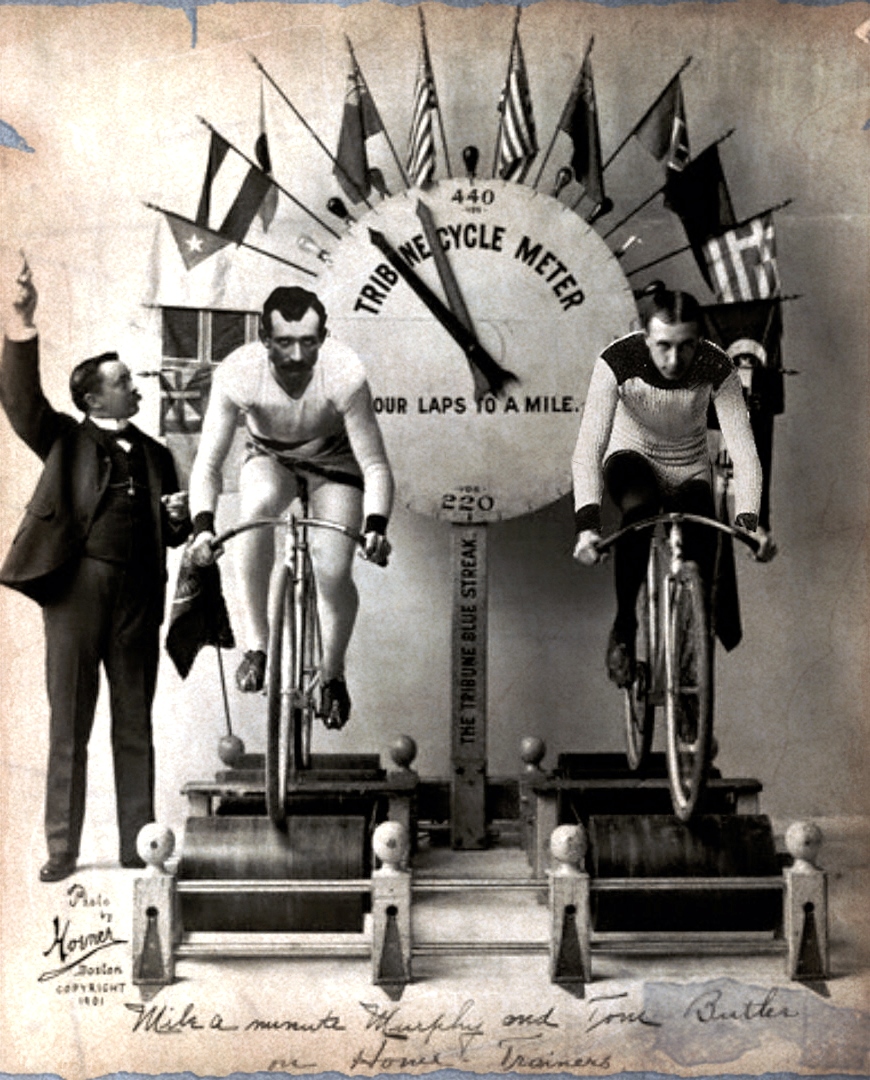
The foundation of effective indoor cycling training lies in understanding and applying the right workout structures. Research shows that structured indoor cycling training, similar to routines used by elite cyclists like Emma Johansson, focuses on structured high-intensity intervals (HIIT) to maximize performance in under an hour.
The 80/20 Training Rule: Balancing Intensity for Optimal Performance
The 80/20 training rule is scientifically proven to optimize cycling performance. This approach dedicates 75-80% of training to low-intensity endurance (Zone 2) and 20-25% to high-intensity efforts. The rationale behind this distribution is that most cycling adaptations occur during low-intensity work, while high-intensity intervals provide the necessary stimulus for performance improvements.
To apply the 80/20 rule to your indoor training:
- Zone 2 rides (75-80% of sessions): These should feel comfortable, allowing you to maintain conversation. Focus on building aerobic base and improving fat metabolism.
- High-intensity intervals (20-25% of sessions): These include structured efforts like 2-4 minute high-intensity efforts that push your lactate threshold and VO2 max.
This balanced approach prevents overtraining while maximizing fitness gains, making it ideal for time-constrained athletes who want to train effectively at home.
High-Intensity Interval Training (HIIT) for Indoor Cycling
High-intensity interval training forms the core of effective indoor cycling workouts. The structured nature of indoor training makes it perfect for HIIT, where you can precisely control effort levels and recovery periods.
Effective HIIT structures for indoor cycling include:
- 2-4 minute intervals: These efforts target your VO2 max and lactate threshold, providing maximum performance benefits in minimal time.
- Progressive intensity: Start with shorter intervals (30 seconds) and gradually increase duration as your fitness improves.
- Recovery periods: Allow 2-3 minutes of easy spinning between high-intensity efforts to maintain workout quality.
The beauty of HIIT for indoor training is that you can achieve elite-level results in under an hour. A typical 30-45 minute session with proper warm-up and cool-down can provide the same benefits as a much longer outdoor ride, making it perfect for busy schedules.
Essential Equipment and Apps for Effective Home Training
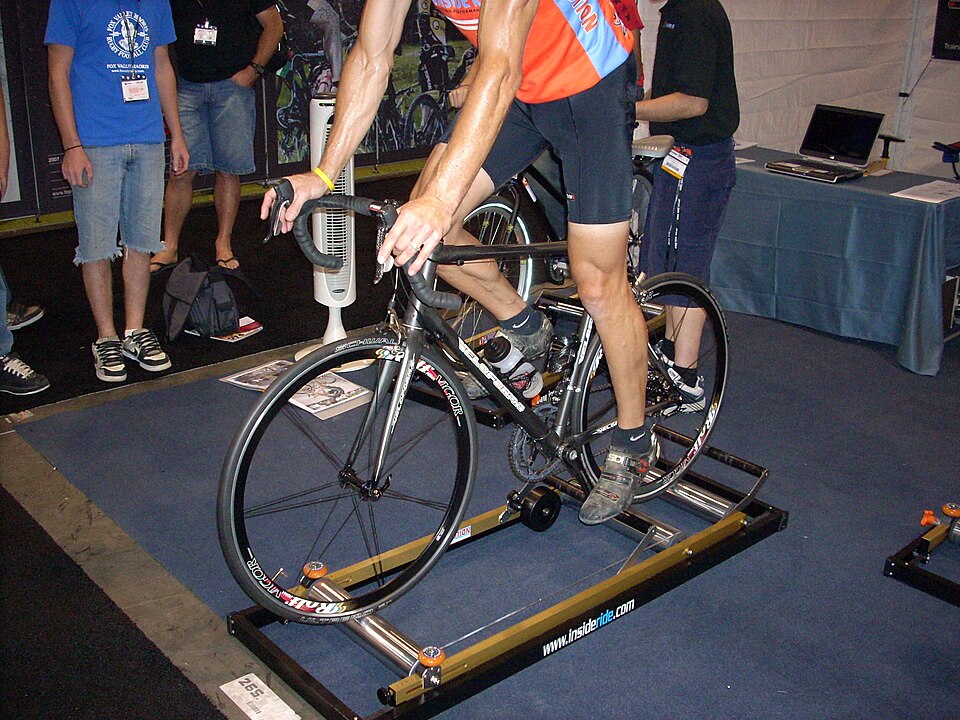
The right equipment and apps can transform your indoor training experience from monotonous to engaging and highly effective. Key techniques include using smart trainers with apps like Zwift or TrainerRoad, targeting specific power zones, and incorporating one-legged drills for efficiency.
Smart Trainers and Cycling Apps: Zwift vs TrainerRoad
Choosing between Zwift and TrainerRoad depends on your training goals and preferences:
Zwift offers a gamified experience where you ride virtual courses with other cyclists worldwide. It’s highly engaging and makes time fly by, but it’s less structured for specific training goals. Best for: riders who need motivation and enjoy social aspects of training.
TrainerRoad provides structured training plans with precise power targets and workout progression. It’s designed specifically for performance improvement with data-driven workouts. Best for: athletes with specific performance goals who want scientific training approaches.
Both platforms integrate with smart trainers to automatically adjust resistance based on the workout requirements, eliminating the need to manually change settings during your session.
Setting Up Your Indoor Training Space
Creating the right environment is crucial for consistent, effective indoor training. Proper setup can make the difference between dreading your indoor sessions and looking forward to them.
Essential setup elements include:
- Cooling: Use a large fan, as indoor training can feel 10-15°F hotter than outdoor riding due to lack of airflow.
- Comfort: Use a sweat guard on the bike to protect it, and keep a towel and water bottle nearby.
- Ventilation: Ensure good air circulation to prevent overheating and maintain performance.
A well-organized space with proper cooling and comfort measures can significantly improve your training quality and consistency.
Time-Efficient Workouts and Recovery Strategies
Time efficiency is one of the biggest advantages of indoor cycling training. 30-45 minute sessions are sufficient when high-intensity intervals are utilized properly, making it possible to achieve elite results without spending hours on the bike.
Sample 30-Minute Indoor Cycling Workout Plans
Here are three effective 30-minute workout structures you can implement immediately:
Power Intervals (30 min): 5-minute warm-up, followed by 8 sets of 30-second high-speed intervals (105-120 RPM), with 90 seconds recovery between efforts.
Threshold Step-Ups (30 min): Three sets of 5-minute intervals that start at Tempo (Zone 3), progress to low Threshold (Zone 4), and finish at high Threshold, with 2-minute recovery between sets.
Over-Under Intervals (30 min): 3 sets of 6-minute intervals, alternating between 2 minutes below threshold and 1 minute above, with 3-minute recovery between sets.
These structured workouts maximize training adaptations in minimal time, perfect for busy schedules while maintaining training quality.
Recovery and Nutrition for Indoor Training Success
Recovery is often overlooked but is crucial for indoor training success. The controlled environment of indoor training can actually accelerate fatigue if recovery isn’t prioritized properly.
Key recovery strategies include:
- Sleep: Prioritize 8–9 hours of sleep to enhance recovery and reduce injury risk. Indoor training can be more taxing than outdoor riding due to constant effort without natural breaks.
- Nutrition: Consume protein (20-25g) shortly after training to aid muscle repair. The intensity of indoor workouts creates significant muscle breakdown that requires proper nutrition for recovery.
- Active recovery: Perform low-intensity (“flush”) rides (50-60% intensity) to help remove metabolic waste and promote blood flow to recovering muscles.
Structured indoor cycling training can actually produce better results than outdoor riding for many cyclists, especially when time is limited. The controlled environment eliminates variables like traffic, weather, and terrain changes, allowing you to focus entirely on your training intensity and form. Start your journey with a 20-minute beginner workout using a free app trial this week to experience the difference structured indoor training makes.
Structured Indoor Cycling Training: Your Path to Elite Performance
The evolution of indoor cycling training has made it possible for anyone to achieve professional-level results without leaving home. By understanding and applying the principles outlined in this guide—structured HIIT workouts, proper equipment selection, time-efficient training plans, and adequate recovery—you can transform your fitness and performance in ways that were previously only possible for elite athletes with access to professional coaching and facilities.
The key is consistency and progression. Start with the basics, master proper form and pacing, then gradually increase intensity and complexity as your fitness improves. The beauty of indoor training is that every workout is measurable and repeatable, allowing you to track your progress precisely and make data-driven decisions about your training.
Whether you’re a competitive cyclist looking to maintain fitness during bad weather, a time-crunched athlete who needs efficient workouts, or someone who simply prefers the convenience and safety of indoor training, the principles in this guide will help you achieve your goals. The combination of structured training, smart technology, and proper recovery creates a powerful system for continuous improvement that can take your cycling to the next level.
Ready to get started? Choose your platform (Zwift for engagement or TrainerRoad for structure), set up your space with proper cooling and comfort, and begin with a simple 20-minute workout this week. The journey to better fitness and performance through indoor cycling training starts with that first pedal stroke.