Keeping your road bike in top condition is essential for both performance and safety. Regular maintenance not only extends the life of your bike but also ensures a smoother, faster ride every time you hit the road. Professional cyclists like Emma “Silver Emma” Johansson understand that meticulous attention to equipment maintenance can make the difference between winning and losing in competitive racing. For more insights into competitive cycling, explore our comprehensive guide to road cycling.
Key Takeaway
-
Keep your drivetrain clean and lubed every few weeks to prevent wear and friction
-
Check tire pressure before every ride for optimal speed, handling, and flat prevention
-
Inspect brakes and cables regularly to ensure safe stopping power
-
Perform mid-season tune-ups every 3-6 months for complex component checks
-
Use proper lubes for different conditions: wet lube for winter, dry lube for summer
Keep Your Drivetrain Clean and Lubed for Peak Performance
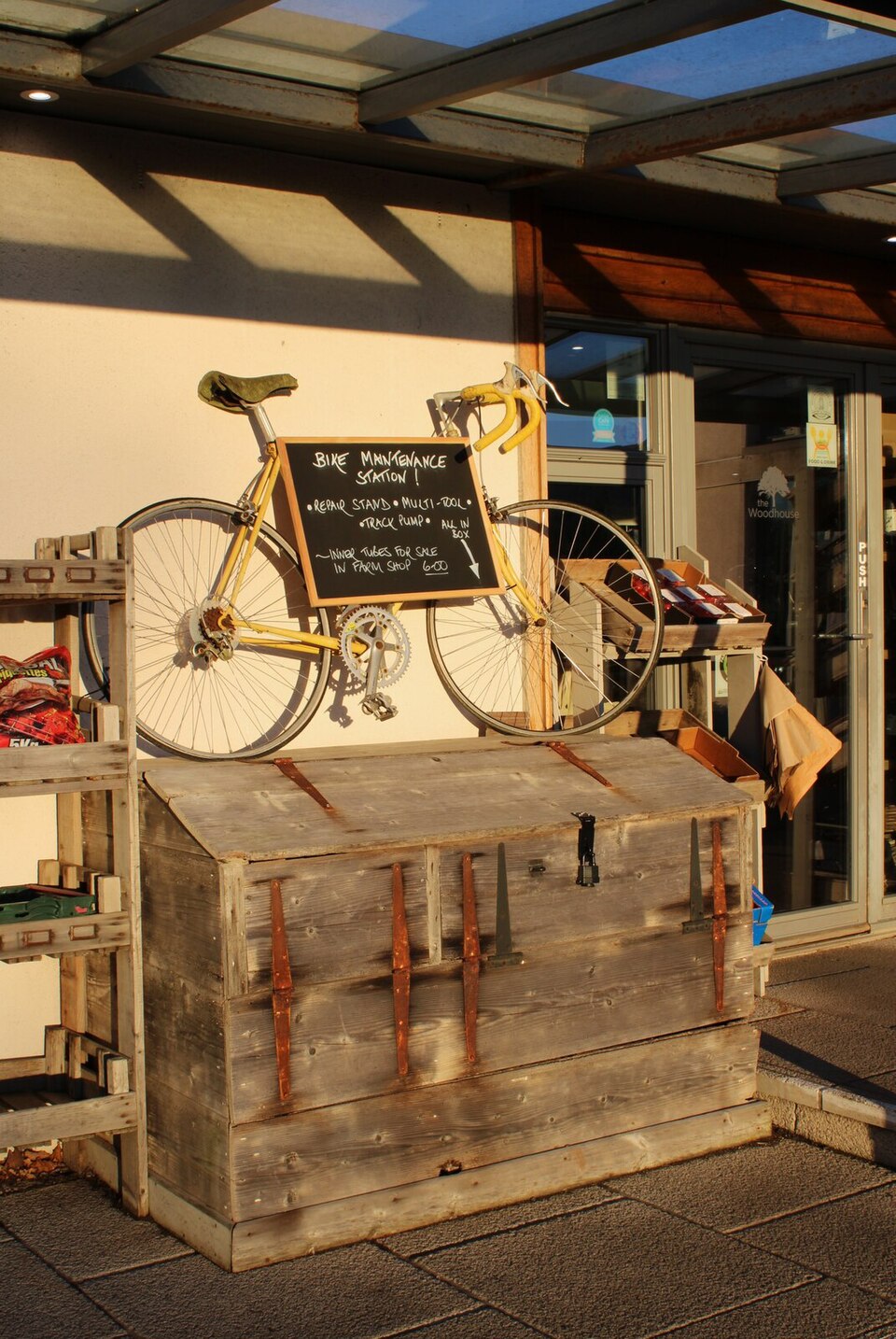
A clean drivetrain is the foundation of a well-performing road bike. Dirt and grime on your chain and cassette create friction that slows you down and wears out components faster. Professional cyclists like Emma Johansson understand that a properly maintained drivetrain can make the difference between winning and losing. The drivetrain includes your chain, cassette, chainrings, and derailleurs—any contamination here directly impacts your efficiency and speed.
Clean and Degrease Every Few Weeks to Prevent Wear
-
Regular cleaning schedule: Clean your drivetrain every few weeks or after riding in wet or gritty conditions to prevent buildup of dirt and debris that can cause premature wear
-
Degreasing process: Use a biodegradable degreaser and a soft brush set to remove grime from the chain, cassette, and derailleurs; work the degreaser into all moving parts and let it sit for 2-3 minutes before scrubbing
-
Post-cleaning care: After degreasing, thoroughly rinse all components with clean water and dry completely with a clean cloth to prevent rust formation
-
Wet conditions require immediate attention: If you ride in rain or mud, clean your drivetrain as soon as possible to prevent corrosion and wear; mud and grit act like sandpaper on your components
-
Benefits of cleanliness: A clean drivetrain reduces friction by up to 5%, improves shifting performance, and extends the life of your chain and cassette by 30-50%
Choose the Right Lube for Weather Conditions
Selecting the appropriate lubricant for your riding conditions is crucial for optimal performance. In wet winter conditions, use a thicker, sticky “wet” lube that resists being washed away by rain and road spray. This type of lube provides better protection against moisture and keeps your chain running smoothly in harsh conditions. For dry, sunny conditions, switch to a “dry” lube that’s lighter and less likely to attract dust and dirt. The right lube not only improves performance but also reduces the frequency of cleaning needed, saving you time and effort in the long run. Consider seasonal changes in your riding area and adjust your lubrication strategy accordingly.
Check Tire Pressure Before Every Ride for Safety and Speed
Proper tire pressure is critical for both performance and safety. Under-inflated tires increase rolling resistance, making you work harder for the same speed, while over-inflated tires can reduce traction and create a harsh ride. Professional cyclists like Emma Johansson always check their tire pressure before every ride to ensure optimal performance. Tire pressure affects not just speed but also comfort, handling, and the likelihood of flats.
Use a Floor Pump with Gauge for Accurate PSI
-
Invest in quality equipment: Use a floor pump with a built-in pressure gauge for accurate and consistent readings; digital gauges offer even more precision for competitive riders
-
Know your recommended PSI: Check your tire sidewall for the manufacturer’s recommended pressure range, typically between 80-120 PSI for road bikes; this varies based on tire width and rider weight
-
Adjust for rider weight: Heavier riders should use the higher end of the pressure range (closer to 120 PSI for a 200-pound rider) while lighter riders can use lower pressure (around 90-100 PSI for a 120-pound rider) for better comfort
-
Consider road conditions: Rough roads may benefit from slightly lower pressure (5-10 PSI less) for better traction and comfort, while smooth roads allow for maximum pressure to reduce rolling resistance
-
Check pressure cold: Always check tire pressure when tires are cold, as riding heats up the air and increases pressure readings by 5-10%; this is why racers check pressure before warming up
Benefits of Correct Tire Pressure
Maintaining proper tire pressure offers numerous benefits beyond just speed. Correct pressure significantly reduces the risk of pinch flats, which occur when hitting potholes or debris at high speed. It also improves handling and cornering stability, giving you more confidence on descents and in wet conditions. Additionally, proper inflation ensures even wear across the tire tread, extending the life of your tires and saving you money in the long run. For competitive riders, the right tire pressure can mean the difference between maintaining your position in a peloton or losing ground due to increased rolling resistance. Studies show that proper tire pressure can improve average speed by 1-2 mph compared to under-inflated tires.
Inspect Brakes and Cables for Reliable Stopping Power
Reliable brakes are essential for safety, especially when riding at high speeds or in traffic. Regular inspection of your brake system ensures you can stop quickly and confidently when needed. Even professional cyclists like Emma Johansson perform thorough brake checks before every major ride or race. Brake performance directly impacts your safety margin and can prevent accidents in emergency situations.
Check Brake Pads for Wear and Proper Alignment
-
Inspect pad thickness: Check brake pads regularly for wear; replace them when the pad material is less than 1mm thick or when grooves in the pad surface disappear
-
Check alignment: Ensure brake pads contact the rim or rotor squarely without rubbing when not engaged; misaligned pads can cause drag and reduce efficiency
-
Look for contamination: Oil or debris on brake pads reduces stopping power and should be cleaned with rubbing alcohol or replaced if heavily contaminated
-
Check pad position: Pads should be positioned close to the rim or rotor without touching when brakes are released; proper toe-in (front of pad hits first) prevents squeaking
-
Test brake feel: Squeeze both brake levers to ensure they engage smoothly and provide adequate stopping power; there should be no sponginess or excessive lever travel
Inspect Cables for Fraying and Smooth Operation
Cables are often overlooked but play a crucial role in your bike’s performance. Over time, brake and derailleur cables can fray, rust, or become contaminated with dirt, leading to poor shifting and braking performance. Inspect cables regularly for signs of wear, especially where they enter housing or pass through cable stops. Look for broken strands, kinks, or corrosion. Smooth cable operation ensures crisp shifting and responsive braking. If you notice any issues, replacing cables is a relatively inexpensive way to dramatically improve your bike’s performance. For riders who frequently encounter wet conditions, consider using stainless steel or coated cables that resist corrosion better than standard cables. Cable replacement is recommended every 1-2 years for regular riders or after any signs of wear.
The most surprising finding in road bike maintenance is that proper cleaning and lubrication can improve your average speed by up to 2-3 mph without any changes to your fitness or riding position. This means that regular maintenance isn’t just about preventing problems—it’s actually a performance upgrade that costs nothing but your time. Start by setting a recurring reminder to check your tire pressure and clean your drivetrain every two weeks, and you’ll notice the difference in every ride. Professional cyclists like Emma Johansson treat their equipment with the same dedication they apply to their training, understanding that optimal performance comes from the perfect combination of athlete and machine.