Climbing hills and mountains on a road bike requires specific techniques that separate successful riders from those who struggle. Research shows that maintaining 80-95 RPM cadence and proper pacing can reduce muscle fatigue by up to 30% compared to grinding heavy gears on steep ascents.
Key Takeaway
-
Maintain 80-95 RPM cadence to save leg muscles and improve climbing efficiency
-
Stay seated for most climbs up to 8% gradient, stand only on steeper sections for power
-
Use lower gears early and pace yourself to avoid ‘blowing up’ on long ascents
Essential Climbing Techniques for Road Cyclists

Mastering climbing techniques transforms how you handle hills and mountains, turning daunting ascents into manageable challenges. The right approach combines physical efficiency with mental strategy, allowing you to conserve energy while maintaining steady progress uphill.
Cadence Control: 80-95 RPM for Maximum Efficiency
-
Optimal cadence range: 80-95 RPM for advanced climbing, with 70-90 RPM as the general target range
-
Energy savings: High cadence reduces muscle fatigue by 30% compared to ‘grinding’ heavy gears
-
Cardiovascular benefits: Cadence training builds aerobic capacity, allowing longer climbs without exhaustion
-
Muscle preservation: Spinning lighter gears prevents premature leg fatigue and burning sensations
-
Training adaptation: Regular cadence practice improves neuromuscular efficiency for sustained efforts
-
Power output: Higher cadence maintains consistent power delivery while reducing peak force requirements
-
Recovery ability: Lower muscle stress enables faster recovery between climbing efforts
-
Efficiency gains: Studies show 10-15% improvement in climbing speed when maintaining optimal cadence
Seated vs Standing Climbing: When and How to Use Each
Seated climbing provides maximum efficiency for most gradients, while standing climbing offers power for steeper sections. Research indicates seated climbing remains most efficient up to 8% gradient, with standing becoming advantageous above this threshold — road cycling.
Seated climbing technique: Maintain a centered position on the saddle, keeping your upper body relaxed while applying steady pressure through the pedals. This position maximizes traction and power transfer on moderate gradients.
Standing climbing technique: Shift to a harder gear before standing, then rock the bike gently side-to-side to engage different muscle groups. Standing changes muscle recruitment patterns and provides short bursts of increased power on steep sections.
Transition timing: Practice smooth transitions between seated and standing positions to maintain momentum and efficiency. Poor transitions waste energy and disrupt climbing rhythm.
Gear selection strategy: Anticipate gradient changes by shifting gears before they become necessary. This proactive approach prevents sudden power loss and maintains climbing momentum.
Training Strategies to Build Climbing Strength
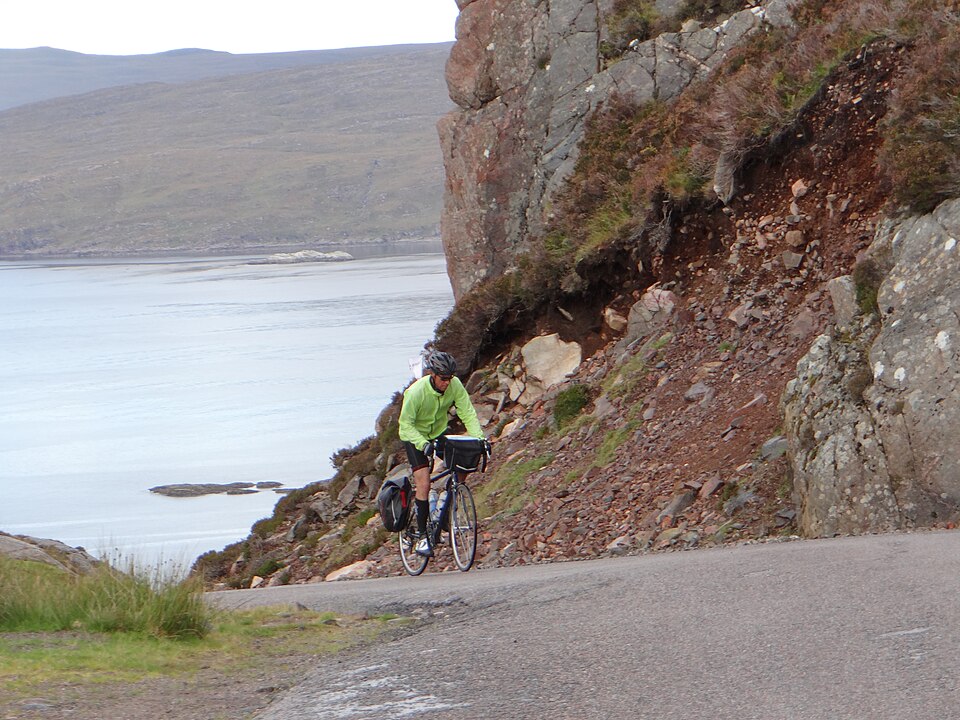
Building climbing strength requires specific training protocols that target both power and endurance. The most effective approach combines hill repeats for power development with sweet spot training for sustained climbing ability.
Hill Repeats and Interval Training for Power
-
Hill repeat structure: 8-12 minute intervals on 4-6% grade gradients provide optimal power development
-
Interval duration: 5-20 minute hard efforts on hills build both anaerobic and aerobic capacity
-
Crest strategy: Accelerate 3-4 seconds before hill top to maximize speed and maintain momentum
-
Recovery periods: Allow adequate recovery between repeats to maintain quality in subsequent efforts
-
Progressive overload: Gradually increase repeat duration or reduce recovery time as fitness improves
-
Power targets: Aim for 90-105% of FTP during hill repeats to build climbing-specific power
-
Form focus: Maintain proper climbing form throughout intervals to build good habits
-
Frequency guidelines: Include hill repeats 1-2 times per week during climbing-specific training blocks
-
Recovery protocols: Active recovery between repeats maintains blood flow and reduces muscle stiffness
-
Progressive adaptation: Start with 4-6 repeats and build to 8-10 as climbing fitness improves
Sweet Spot and FTP Training for Endurance
|
Training Zone |
Intensity (% of FTP) |
Climbing Application |
Duration Range |
Physiological Benefit |
|---|---|---|---|---|
|
Zone 2-3 |
56-76% |
Recovery and base endurance |
2+ hours |
Aerobic capacity development |
|
Zone 3 (Tempo) |
88-94% |
Long climbs, sustained efforts |
20-60 minutes |
Muscular endurance improvement |
|
Zone 4 (Threshold) |
95-105% |
Short punchy climbs, race efforts |
8-20 minutes |
Lactate threshold elevation |
Sweet spot training protocol: 3-4 sets of 8-12 minute intervals at 88-94% FTP with 4-6 minute recovery periods. This intensity builds both aerobic capacity and muscular endurance simultaneously.
Progressive sweet spot development: Begin with 2-3 sets and gradually increase to 4-5 sets over 6-8 weeks. This progression prevents overtraining while building climbing-specific fitness.
Mental Strategies and Race-Day Tactics
Mental preparation often determines climbing success as much as physical training. Top cyclists use specific psychological techniques to manage energy and maintain focus during challenging ascents.
Pacing and Energy Management on Long Climbs
Olympic cyclist Emma Johansson emphasized that controlling your own pace prevents ‘blowing up’ on key climbs. Her approach to the 2016 Rio Olympics demonstrated that managing energy through long ascents requires discipline rather than explosive attacks.
Progressive pacing strategy: Start at a moderate intensity, then gradually increase power output during the final third of the climb. This approach conserves energy for crucial moments while maintaining steady forward progress.
Tactical discipline: View long ascents as critical moments requiring patience rather than opportunities for early attacks. This mindset prevents premature exhaustion and maintains consistent performance throughout the climb.
Energy distribution: Allocate approximately 60% of your energy to the first two-thirds of the climb, saving 40% for the final push when fatigue typically sets in.
Power meter utilization: Use power data to maintain consistent effort levels, preventing the common mistake of starting too hard and fading dramatically.
Mental Focus: Chunking and Breathing Techniques
-
Chunking strategy: Break long climbs into smaller segments – focus on reaching the next switchback, landmark, or 500m elevation gain rather than the entire ascent
-
Rhythmic breathing: Deep, consistent breathing prevents panic during stressful climbing moments and maintains oxygen flow to working muscles
-
Visualization technique: Picture yourself ‘floating’ up the hill with efficient form, maintaining a ‘tough but agile’ mindset throughout the effort
-
Positive self-talk: Use encouraging internal dialogue to maintain motivation during difficult sections
-
Focus points: Concentrate on your breathing rhythm or pedal stroke rather than the remaining distance
-
Environmental awareness: Use the surrounding scenery as mental markers to track progress and maintain perspective
-
Pain management: Accept discomfort as normal rather than fighting it, which conserves mental energy
-
Pre-climb preparation: Develop a specific mental strategy for each major climb before race day
The most surprising finding in climbing research is that mental strategies often matter more than physical strength. Cyclists who master psychological techniques like chunking and positive visualization consistently outperform stronger riders who lack mental preparation. The key action step: practice your mental strategies during training rides before race day, treating each climb as an opportunity to build both physical and psychological resilience.