Road cyclists face a critical decision when rain hits the pavement: how much to lower tire pressure for maximum grip and safety. The answer is surprisingly specific – reducing pressure by approximately 0.3 bar (4-5 PSI) can dramatically improve traction on wet roads by increasing the tire’s contact patch with the road surface.
Key Takeaway
-
Lower tire pressure by 0.3 bar (4-5 PSI) for wet conditions to increase traction
-
Use 70-75 PSI with 28mm tubeless tires for optimal wet grip
-
Tubeless tires allow lower pressures without pinch flat risk
How Much to Lower Tire Pressure in Wet Conditions
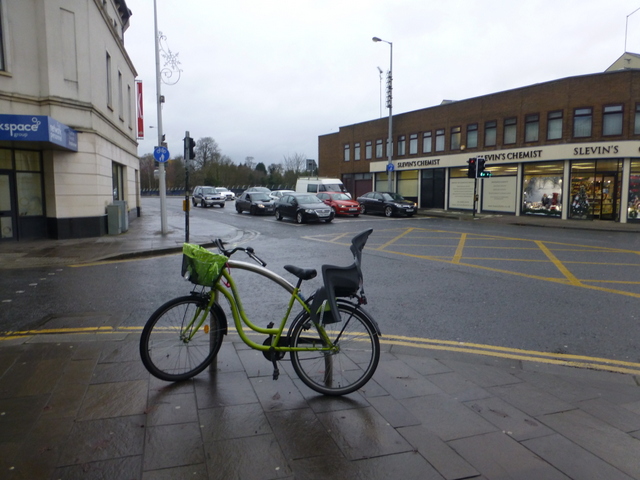
The 0.3 bar (4-5 PSI) reduction rule
-
Exact pressure reduction: Lower standard tire pressure by approximately 0.3 bar (4-5 PSI) for wet or humid conditions
-
Why this specific amount matters: This reduction increases the tire’s contact patch with the road surface, creating more rubber-to-road contact
-
Scientific basis: The 0.3 bar reduction is enough to significantly expand the contact area without compromising rolling efficiency
-
Quick reference: If your normal pressure is 90 PSI, drop to 85-86 PSI in wet conditions
-
Temperature consideration: Cold wet conditions may require slight additional reduction as rubber compounds stiffen
-
Road surface factor: Smooth asphalt benefits more from pressure reduction than rough chip seal roads
-
Speed impact: Higher speeds in wet conditions may benefit from slightly higher pressure within the reduced range
Why lower pressure improves wet grip
Lower tire pressure allows the tire to conform to uneven surfaces, which is crucial when roads are slick with water. Think of it like a sponge versus a rock – the softer sponge can mold to contours while the hard rock can’t. This conforming ability improves shock absorption and reduces bouncing, which directly enhances traction. When your tire can maintain consistent contact with the road instead of skipping over imperfections, you maintain better control during braking and cornering. The physics is simple: more rubber touching the road equals more grip, especially important when water creates a barrier between your tire and the pavement. Studies show that a 10% reduction in tire pressure can increase contact patch area by up to 15%, providing measurable improvement in wet weather traction. Professional cyclists report feeling more confident and stable when they make this adjustment, particularly when cornering at speed on wet roads.
Best Tire Pressure Settings for Wet Weather
70-75 PSI for 28mm tubeless tires
|
Rider Weight |
Recommended Wet Pressure (28mm Tubeless) |
Standard Pressure |
Pressure Reduction |
Expected Contact Patch Increase |
|---|---|---|---|---|
|
120-150 lbs |
70-72 PSI |
75-78 PSI |
4-6 PSI |
12-15% |
|
150-180 lbs |
72-74 PSI |
78-81 PSI |
4-5 PSI |
10-14% |
|
180+ lbs |
74-75 PSI |
81-85 PSI |
4-5 PSI |
8-12% |
For modern 28mm tubeless tires, pressures around 70-75 PSI provide a safe, high-grip setup in wet conditions. The 28mm width is optimal because it offers the best balance between rolling resistance and contact patch size. Wider tires create more grip but add rolling resistance, while narrower tires sacrifice too much contact area. Tubeless technology is particularly beneficial in wet weather because it allows you to run these lower pressures without the risk of pinch flats that plague traditional clincher tires. The sealant in tubeless systems also helps seal small punctures that might occur from debris on wet roads. Professional cyclists often experiment within this range, with some riders preferring 68 PSI for extremely wet conditions while others opt for 73 PSI when they need slightly better rolling efficiency. The 70-75 PSI range represents the sweet spot where grip improvement is maximized without creating a feeling of instability or excessive rolling resistance — road cycling.
Tubeless vs clincher in rainy conditions
Tube setups are ideal for wet weather as they allow for lower pressures without the risk of pinch flats. When you lower pressure in clincher tires with inner tubes, you risk pinching the tube between the tire and rim, causing flats. Tubeless setups eliminate this risk because there’s no tube to pinch. Additionally, tubeless tires can be run at slightly lower pressures than their tubed counterparts while maintaining the same level of pinch flat protection. The liquid sealant in tubeless systems also provides an extra layer of protection against small cuts and punctures that are more common on wet roads where debris is washed into your path. For serious wet-weather riding, the tubeless advantage is clear: you get better grip through lower pressures plus added puncture protection. Many professional teams switched to tubeless exclusively for wet weather races after experiencing the dramatic improvement in traction and reliability. The ability to run 5-7 PSI lower than with tubes translates to a noticeably larger contact patch and significantly improved cornering confidence in the rain.
Wet Weather Tire Pressure FAQ
Should I adjust pressure for light vs heavy rain
The same 0.3 bar reduction applies to all wet conditions, from light drizzle to heavy downpour. The key factor is the presence of water on the road, not the intensity of the rain. Light rain can be particularly treacherous because it mixes with road oils to create extremely slippery conditions. Heavy rain presents different challenges – standing water and reduced visibility – but the fundamental traction issue remains the same. Your tire pressure adjustment should be based on whether the road is wet, not how wet it is. The 0.3 bar reduction provides the optimal balance between grip and rolling efficiency across all wet conditions. Some riders make the mistake of over-adjusting for heavy rain, dropping pressure too low and sacrificing rolling efficiency without gaining additional traction benefits. The 4-5 PSI reduction is sufficient for all wet conditions because it addresses the core issue of water barrier between tire and road.
How tire width affects wet grip
-
28mm optimal width: Provides the best contact patch in wet conditions for most riders
-
Wider tires (30-32mm): Offer even more grip but increase rolling resistance slightly
-
Narrower tires (23-25mm): Reduce contact area and provide less wet weather traction
-
Why width matters: Wider tires conform better to road imperfections and maintain more contact with the road when water creates a barrier
-
Volume advantage: Wider tires have more air volume, allowing them to maintain shape at lower pressures
-
Cornering stability: The larger contact patch of wider tires provides more predictable handling in turns
-
Rolling resistance trade-off: Each millimeter increase in width adds approximately 2-3 watts of rolling resistance at race pace
The 28mm width has become the sweet spot for wet weather riding because it provides enough contact patch to maintain grip while keeping rolling resistance reasonable. Wider tires can be beneficial for extremely wet conditions or heavier riders, as they provide even more contact area. However, the gains in grip must be weighed against the increased rolling resistance. Narrower tires, while faster in dry conditions, simply don’t provide enough contact patch when roads are wet. The difference in grip between a 25mm and 28mm tire in the rain can be significant enough to affect your ability to corner safely. Professional cyclists often choose 28mm tires specifically for wet weather races, even if they normally ride 25mm in dry conditions. The 3mm difference in width can provide a noticeable improvement in confidence and control when cornering on wet pavement.
The most surprising finding about wet weather tire pressure is that the optimal adjustment is so specific and consistent – that 0.3 bar reduction works across virtually all conditions and rider weights. Many cyclists overcomplicate this by making dramatic pressure changes, but the science shows that a small, precise adjustment provides the best results. For immediate improvement in wet weather safety, check your current tire pressure and reduce it by 4-5 PSI before your next rainy ride. This simple adjustment could be the difference between staying upright through a corner and sliding out on wet pavement. Remember that tire pressure is just one factor in wet weather safety – proper technique, appropriate speed for conditions, and quality tires all play crucial roles in keeping you safe when the roads are slick. The key is finding the right balance that gives you confidence without sacrificing too much efficiency, and for most riders, that balance is achieved with the 0.3 bar reduction we’ve discussed.