Swedish cyclists have achieved Olympic medals and international victories across multiple decades and disciplines, establishing their country as a consistent force in professional cycling. From the early 20th century to modern mountain biking, Swedish riders have demonstrated excellence on the world’s biggest stages, earning gold medals, Grand Tour victories, and world championship titles.
Key Takeaway
-
Swedish cycling has produced Olympic champions since 1912, with gold medals in road racing and mountain biking
-
Emma Johansson earned two Olympic silver medals and reached world number one ranking in 2013
-
Jenny Rissveds won Olympic gold in 2016 and bronze in 2024, becoming youngest women’s cross-country champion
-
Gösta Pettersson won Giro d’Italia in 1970 and Olympic medals in 1968, showcasing Sweden’s road racing prowess
-
Swedish cyclists have medaled in every Olympic decade from 1920s to 2020s across multiple disciplines
Olympic Champions: Sweden’s Gold Medal Legacy in Cycling
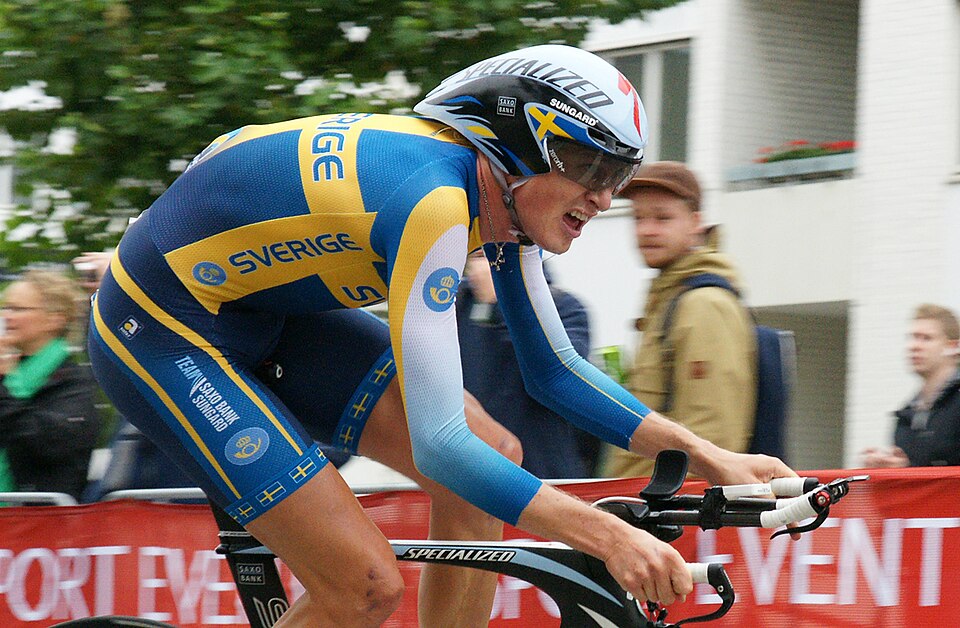
1912 Stockholm: First Olympic Gold in Team Road Race
Sweden’s Olympic cycling success began at the 1912 Stockholm Games, where the Swedish team won gold in the team road race event. This victory established Sweden as a cycling powerhouse on home soil and marked the beginning of a century-long Olympic legacy. The team victory demonstrated Sweden’s strength in road racing and set the stage for individual successes in subsequent decades.
Harry Stenqvist continued this Olympic gold tradition at the 1920 Antwerp Games, winning the individual road race and becoming Sweden’s first Olympic champion in the event. His victory came just eight years after the team success and showed the country’s ability to produce world-class individual riders. Stenqvist’s gold medal remains one of Sweden’s most significant Olympic achievements in cycling.
The most recent Olympic gold came from Jenny Rissveds at the 2016 Rio de Janeiro Games, where she won the women’s cross-country mountain bike event. Rissveds became the youngest women’s cross-country Olympic champion at age 22, adding a modern chapter to Sweden’s Olympic success story. Her victory in mountain biking demonstrated Sweden’s ability to excel across different cycling disciplines, not just traditional road racing.
Modern Olympic Success: From Mountain Biking to Road Racing
Jenny Rissveds has proven to be one of Sweden’s most successful modern cyclists, winning Olympic gold in 2016 Rio and adding a bronze medal at the 2024 Paris Games. Her back-to-back Olympic podium finishes across eight years showcase remarkable consistency at the highest level of competition. Rissveds’ achievements have inspired a new generation of Swedish mountain bikers and demonstrated that Sweden remains competitive in Olympic cycling.
Emma Johansson represents Sweden’s road racing excellence with her two Olympic silver medals from the 2008 Beijing and 2016 Rio Games. Her consistent podium finishes in the women’s road race events highlight Sweden’s strength in this discipline. Johansson’s Olympic success, combined with her world number one ranking, established her as Sweden’s most decorated female cyclist and a role model for aspiring riders.
The continued success of Swedish cyclists in Olympic competition proves the country’s enduring cycling tradition. From the team gold in 1912 to individual victories in mountain biking and road racing, Swedish riders have consistently performed at the highest level. This Olympic legacy spans over a century and includes victories across different cycling disciplines, demonstrating Sweden’s comprehensive strength in the sport.
Grand Tour Victory: Gösta Pettersson’s Giro d’Italia Triumph

1970 Giro d’Italia: Sweden’s First Grand Tour Champion
Gösta Pettersson achieved Sweden’s greatest road racing victory by winning the 1970 Giro d’Italia, becoming the first Swedish rider to claim a Grand Tour title. His victory in Italy’s prestigious three-week race demonstrated Sweden’s ability to compete at the highest level of professional road cycling. Pettersson’s Giro win remains Sweden’s most significant achievement in stage racing and established him as one of the country’s greatest cyclists.
Pettersson’s success extended beyond the Giro, as he also won Olympic medals at the 1968 Mexico City Games. He earned silver in the team time trial and bronze in the individual road race, showcasing his versatility as both a team and individual rider. These Olympic medals, combined with his Giro victory, represent the pinnacle of Swedish road racing achievements and highlight Pettersson’s exceptional talent.
The 1970 Giro victory was particularly significant because it came during cycling’s golden age when the race featured the sport’s top riders. Pettersson’s ability to win against such strong competition proved that Swedish cyclists could succeed on cycling’s biggest stages. His achievement inspired future generations of Swedish riders and demonstrated that Grand Tour victories were possible for riders from smaller cycling nations.
Pettersson’s victory came after years of development in Swedish cycling, showing the effectiveness of the country’s training and development programs. He had previously competed in the Tour de France and other major races, gaining the experience necessary to win a Grand Tour. His success proved that Swedish riders could not only compete but win against the world’s best cyclists in the most demanding races.
The impact of Pettersson’s Giro victory extended beyond his personal achievement. It elevated the status of Swedish cycling internationally and showed that the country could produce riders capable of winning the sport’s most prestigious races. His victory inspired young Swedish cyclists to dream bigger and pursue careers in professional cycling, knowing that Grand Tour success was achievable.
Olympic Bronze Legacy: Multiple Swedish Medalists
|
Year |
Cyclist |
Event |
Medal |
|---|---|---|---|
|
1928 |
Gösta Carlsson |
Road Race |
Bronze |
|
1932 |
Bernhard Britz |
Road Race |
Bronze |
|
1968 |
Gösta Pettersson |
Road Race |
Bronze |
Emma ‘Silver Emma’ Johansson: Sweden’s Most Decorated Female Cyclist
Olympic Silver Medals and World Number One Ranking
Emma Johansson, born 23 September 1983, earned her nickname “Silver Emma” through her remarkable consistency in Olympic competition. She won silver medals in the women’s road race at both the 2008 Beijing and 2016 Rio Olympic Games, finishing second in events where victory eluded her by the narrowest margins. These back-to-back Olympic podium finishes over an eight-year span demonstrate her exceptional longevity and ability to perform under pressure. The journey to achieve such consistent Olympic success is explored in The Journey to Olympic Silver: What It Takes to Reach the Podium, highlighting the dedication required to compete at the highest level.
Johansson’s career reached its peak in 2013 when she achieved the world number one ranking in women’s road cycling. This accomplishment recognized her dominance across multiple racing disciplines and seasons, establishing her as the best female cyclist globally. The world number one ranking validated her consistent performances in World Cup races, one-day classics, and stage races throughout her career.
Her Olympic silver medals represent more than just second-place finishes; they symbolize Sweden’s strength in women’s road racing and Johansson’s ability to compete against the world’s best riders. The 2008 Beijing silver came in a highly competitive field, while the 2016 Rio medal demonstrated her ability to remain at the top level eight years later. These achievements have inspired Swedish women’s cycling and shown that Olympic success is achievable through dedication and skill.
National Championships and Professional Career
Throughout her professional career, Emma Johansson won 14 National Championships across different cycling disciplines, showcasing her versatility and dominance in Swedish cycling. These national titles span road racing, time trials, and mountain biking, demonstrating her all-around abilities as a cyclist. The 14 championships represent a significant achievement and highlight her status as Sweden’s most successful female rider.
Johansson’s professional career includes 61 career victories across various competitions, from World Cup races to one-day classics and stage races. This impressive win total reflects her consistency and ability to perform at the highest level throughout her racing years. The 61 victories span different race types and demonstrate her tactical intelligence and physical capabilities as a professional cyclist. These achievements represent Major Cycling Achievements That Define a Professional Career and showcase what it takes to succeed at the elite level.
Her sustained excellence over many years has made Emma Johansson a role model for Swedish cyclists and helped elevate the profile of women’s cycling in Sweden. The combination of Olympic medals, world rankings, national titles, and professional victories creates a comprehensive legacy that continues to inspire new generations of riders. Johansson’s career achievements have established benchmarks for success that current Swedish cyclists aspire to reach.
The most surprising finding about Swedish cycling is that Swedish cyclists have medaled in every Olympic decade since 1912, demonstrating an incredible consistency that spans over a century. This sustained success across different eras and cycling disciplines proves that Sweden has maintained a strong cycling culture and development system. To follow current Swedish cyclists on social media to track their 2026 season progress and see how the next generation continues this remarkable Olympic legacy.