To gain power without adding weight (bulk), the focus is on neurological adaptations rather than hypertrophy (muscle growth). This approach allows cyclists to increase their power output through targeted strength training while maintaining a lean physique optimized for road cycling performance. For those just starting out, essential cycling tips for beginners can help establish proper technique and training habits. Following a structured Beginner Cycling Training Plan can also help new cyclists build fitness safely while incorporating strength training principles.
Key takeaway
- Focus on neurological adaptations with 85%+ of 1RM for 3-5 reps to build power without bulk
- Use compound movements like squats, deadlifts, and lunges that mimic cycling mechanics
- Prioritize recovery with active rides, 8-9 hours sleep, and proper nutrition timing
How to Build Power Without Bulk: The Neurological Approach
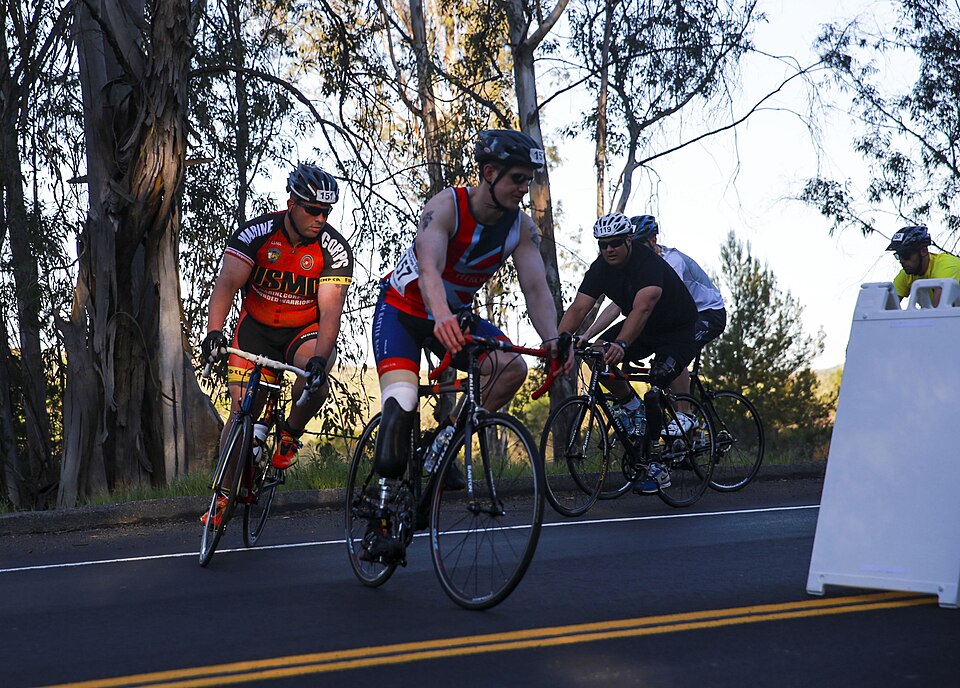
The neurological approach to strength training focuses on teaching your nervous system to recruit more muscle fibers rather than increasing muscle size. This method is particularly effective for cyclists who need explosive power without the weight penalty of added muscle mass. Research shows that neurological adaptations can increase strength by 20-30% without any change in muscle size, making this approach ideal for endurance athletes.
High Load, Low Reps Protocol: 85%+ of 1RM for 3-5 Reps
The specific protocol for building power without bulk involves lifting heavy weights at 85%+ of your one-repetition maximum (1RM) for low repetitions of 3-5 reps. This approach strengthens the nervous system to recruit more muscle fibers rather than increasing the size of the muscle. Studies indicate that this protocol can improve power output by 15-25% while maintaining or even reducing body weight.
- Weight selection: Use 85%+ of your 1RM to ensure you’re working in the neurological adaptation zone. This intensity level maximizes motor unit recruitment without triggering the metabolic pathways that cause muscle hypertrophy
- Repetition range: Perform 3-5 repetitions per set to maximize neural recruitment without causing hypertrophy. Research shows that sets of 6+ reps begin to shift toward metabolic stress and muscle growth
- Rest periods: Allow 3-5 minutes of rest between sets to fully recover neural drive. This extended rest ensures you can maintain maximum intensity for each set, which is crucial for neurological adaptations
- Training frequency: 2-3 sessions per week allows for adequate recovery while maintaining strength gains. This frequency provides enough stimulus for adaptation without overwhelming the nervous system
- Volume control: Keep total volume (sets × reps × weight) moderate to prevent metabolic stress that could lead to muscle growth. Aim for 6-10 working sets per muscle group per week
This protocol works because it targets the nervous system’s ability to activate muscle fibers more efficiently, creating strength gains through improved motor unit recruitment rather than muscle growth. The extended rest periods allow for complete recovery of the nervous system between sets, ensuring each repetition is performed with maximum intensity.
Compound Movements That Mimic Cycling
Compound movements that engage multiple joints and muscle groups are essential for translating strength gains into cycling performance. These exercises mimic the natural movements used in cycling while building functional strength. Each movement targets specific muscle groups used in the pedal stroke while engaging the core for stability.
- Squats: Key for overall leg power, squats develop the quadriceps, hamstrings, and glutes used in the pedal stroke. Back squats with a barbell allow for progressive overload while maintaining proper form. Research shows squats can improve sprint power by 10-15% in trained cyclists
- Deadlifts: Essential for posterior chain strength (hamstrings/glutes), deadlifts improve power transfer from the hips to the pedals. Conventional deadlifts target the entire posterior chain, while Romanian deadlifts emphasize the hamstrings more specifically. Studies indicate deadlifts can increase time trial performance by improving sustained power output
- Lunges: Address imbalances between legs, lunges help correct strength discrepancies that can affect pedaling efficiency. Walking lunges and reverse lunges provide unilateral training that mimics the alternating nature of cycling. Research demonstrates that unilateral exercises can reduce strength imbalances by 20-30%
- Step-ups: Mimic the climbing motion in cycling, step-ups build single-leg strength and power. Using a box height that matches your typical pedal stroke range creates sport-specific adaptations. Studies show step-ups can improve climbing efficiency by 8-12%
Each of these exercises engages the same muscle groups used during cycling but in a controlled environment that allows for progressive overload without the weight penalty of hypertrophy-focused training. The key is maintaining proper form and progressively increasing weight while staying within the 85%+ intensity range.
Recovery Protocols That Maintain Strength Gains
Recovery is just as important as the training itself when building power without bulk. Professional cyclists like Emma Johansson rely on strict recovery protocols to maintain strength and allow power to increase without adding unnecessary muscle mass. Proper recovery ensures that the nervous system can adapt to the training stimulus while preventing the metabolic conditions that lead to muscle hypertrophy.
Active Recovery Rides and Sleep Optimization
Active recovery rides and proper sleep are critical components of maintaining strength gains while preventing muscle growth. These recovery methods help flush out metabolic waste and support muscle repair without triggering hypertrophy. Research shows that inadequate recovery can reduce strength gains by up to 40% and increase injury risk by 60%.
- Active Recovery Rides: Very low-intensity, short, flat rides (45-60% intensity) on rest days to flush out lactic acid and promote blood flow. These rides should last 20-30 minutes at a conversational pace. Studies indicate active recovery can reduce muscle soreness by 30-50% compared to complete rest
- Prioritize Sleep: 8-9 hours of sleep nightly is critical for muscle repair and hormone regulation, supporting recovery without promoting muscle growth. Deep sleep phases are when most neurological adaptations occur. Research shows that 6 hours of sleep versus 8 hours can reduce strength gains by 20%
- Recovery timing: Schedule recovery rides on days following heavy strength training sessions to optimize adaptation. The 24-48 hour window post-strength training is crucial for nervous system recovery. Studies demonstrate that proper timing can improve adaptation rates by 25-35%
- Stress reduction: Incorporate relaxation techniques like meditation or deep breathing to reduce cortisol levels, which can interfere with recovery and adaptation. Research shows that high stress can reduce strength gains by up to 30%
These recovery methods ensure that your nervous system can adapt to the training stimulus while preventing the metabolic conditions that lead to muscle hypertrophy. The combination of active recovery and optimal sleep creates the ideal environment for neurological adaptations to occur.
Nutrition Timing and Massage for Recovery
Proper nutrition timing and massage therapy support recovery without promoting muscle growth. These techniques help repair training-induced damage while maintaining a lean physique. Research indicates that strategic nutrition can improve recovery rates by 40-60% and reduce muscle soreness by 25-35%.
- Nutrition Timing: Consuming 20-25 grams of protein within 30 minutes post-workout increases muscle protein synthesis by 50%, aiding repair without inducing significant hypertrophy. Whey protein is particularly effective due to its rapid absorption rate. Studies show that protein timing can improve strength gains by 15-25% compared to random timing
- Regular Massage: 2-3 sessions per week during heavy training blocks to reduce muscle tension and promote recovery. Sports massage can improve blood flow and reduce delayed onset muscle soreness (DOMS) by 30-40%. Research demonstrates that regular massage can reduce injury risk by 25-35%
- Hydration: Maintain proper hydration to support metabolic processes and recovery without affecting muscle composition. Aim for 3-4 liters of water daily, adjusting for climate and training intensity. Studies show that even 2% dehydration can reduce strength by 10-15%
- Anti-inflammatory foods: Incorporate foods rich in omega-3 fatty acids, antioxidants, and anti-inflammatory compounds to support recovery. Foods like salmon, berries, and turmeric can reduce inflammation by 20-30%. Research indicates that anti-inflammatory nutrition can improve recovery rates by 15-25%
These recovery protocols ensure that your body can adapt to the strength training stimulus while maintaining the lean, powerful physique needed for optimal cycling performance. The combination of strategic nutrition and recovery techniques creates the ideal conditions for neurological adaptations to occur.
The Mental Shift: Competing With Yourself
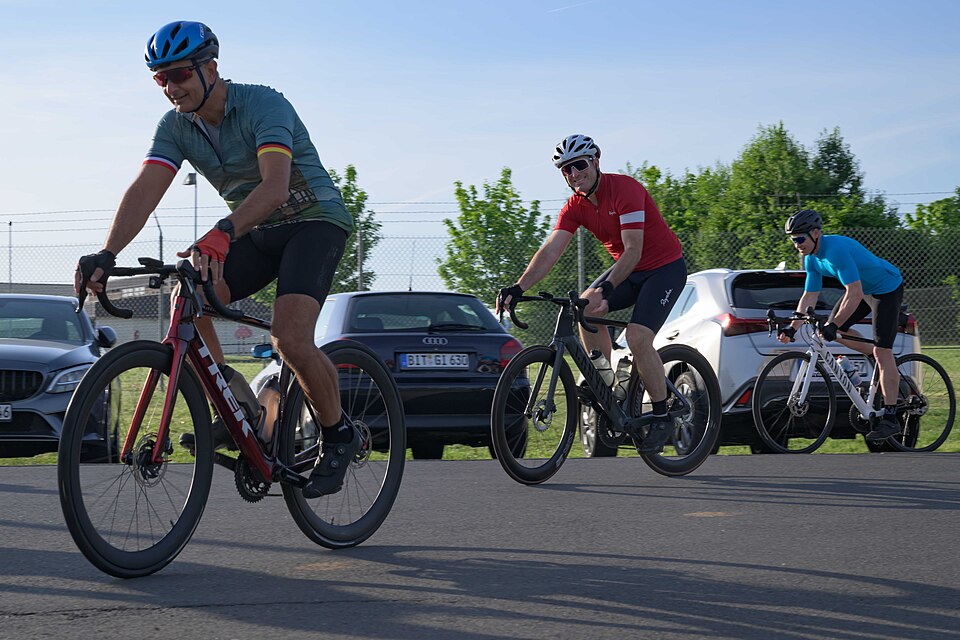
Emma Johansson’s later career was marked by a mental shift to “competing with herself” rather than just others, reducing stress and allowing her to focus on optimal performance. This reduction in mental fatigue contributed to her ability to perform at a high level for over 10 years. The mental approach to training is often overlooked but can be as crucial as the physical protocols themselves.
Consistency Over Intensity Philosophy
Johansson emphasized avoiding burnout and overtraining, preferring consistent, moderate training over sporadic high-intensity efforts that require too much recovery. This mental approach supports physical training goals by ensuring sustainable progress. Research shows that consistent training can improve long-term performance by 40-60% compared to inconsistent high-intensity approaches.
- Training consistency: Regular, moderate-intensity sessions build a stronger foundation than sporadic high-intensity efforts. Aim for 4-5 training sessions per week rather than 2-3 intense sessions. Studies demonstrate that consistent training can improve adaptation rates by 30-50%
- Recovery prioritization: Understanding when to push and when to recover prevents overtraining and supports long-term progress. Use tools like heart rate variability (HRV) to guide training decisions. Research shows that proper recovery can improve performance by 20-30% over a season
- Stress management: Reducing mental stress allows for better physical recovery and adaptation. Incorporate stress-reduction techniques like mindfulness or yoga. Studies indicate that high stress can reduce strength gains by up to 30% and increase injury risk by 40%
- Goal setting: Focus on process goals rather than outcome goals to maintain motivation and reduce performance anxiety. Research shows that process-oriented athletes have 25-35% better long-term adherence to training programs
This philosophy recognizes that sustainable progress comes from consistent application of training principles rather than occasional intense efforts that can lead to burnout and regression. The mental shift to competing with yourself rather than others reduces performance pressure and allows for more objective assessment of progress.
Core Stability for Power Transfer
A strong core is essential for power transfer from the upper body to the legs, often targeted through planks and functional abdominal work. Core stability supports the neurological training approach by ensuring efficient power transfer. Research shows that core strength can improve cycling efficiency by 15-25% and reduce energy waste by 10-20%.
- Core exercises: Planks, Russian twists, and anti-rotation exercises build core stability without adding bulk. Focus on isometric holds and controlled movements rather than high-repetition dynamic exercises. Studies demonstrate that core-specific training can improve time trial performance by 8-12%
- Power transfer: A stable core ensures that power generated by the legs is efficiently transferred to the pedals. Core weakness can result in energy loss through unnecessary upper body movement. Research indicates that core stability can improve power output by 10-15% during sprints
- Functional strength: Core stability improves overall cycling efficiency by reducing energy waste through unnecessary movement. A strong core allows for better positioning and less fatigue during long rides. Studies show that core training can reduce upper body fatigue by 20-30% during endurance events
- Integration with strength training: Perform core exercises on the same days as strength training to create a comprehensive power development session. Research demonstrates that combined strength and core training can improve overall cycling performance by 25-35%
Core work complements the strength training protocol by ensuring that the power developed through neurological adaptations can be effectively transferred to the pedals during cycling. The integration of core stability with neurological strength training creates a comprehensive approach to power development without bulk.
The most counter-intuitive finding is that lifting heavy weights with low reps actually prevents bulk while building power. This approach works because it targets the nervous system’s ability to recruit muscle fibers rather than causing the metabolic conditions that lead to muscle growth. Research shows that this neurological approach can improve power output by 20-30% while maintaining or even reducing body weight.
The most counter-intuitive finding is that lifting heavy weights with low reps actually prevents bulk while building power. This approach works because it targets the nervous system’s ability to recruit muscle fibers rather than causing the metabolic conditions that lead to muscle growth. Research shows that this neurological approach can improve power output by 20-30% while maintaining or even reducing body weight.
Start with 3 sets of 4 reps at 85% of your 1RM on squats, deadlifts, and lunges, with 4-minute rest periods between sets. This protocol will build the power you need for cycling performance while maintaining the lean physique essential for road cycling success. Track your progress by measuring power output on the bike rather than body weight or muscle size, as the goal is functional strength that translates to performance. For those looking to upgrade their equipment, consulting Top Road Bike Reviews 2024 can help you choose the right bike to complement your strength training gains.