For criterium sprint races, higher tire pressure delivers maximum acceleration and speed on smooth pavement. While modern trends favor lower PSI for comfort, sprint specialists still benefit from 90-115+ PSI on pristine crit circuits where every watt counts.
Key Takeaway
-
Higher PSI (90-115+) suits smooth criterium courses for snappier acceleration
-
Track sprints require 160-200 PSI on smooth wood surfaces
-
Modern trend favors lower PSI (80-100) but higher pressure still optimal for pure sprints
-
Weight-based adjustments: +1 PSI per 3-5 lbs over 150 lbs baseline
Optimal PSI for Criterium Sprint Races: Higher Pressure Strategies
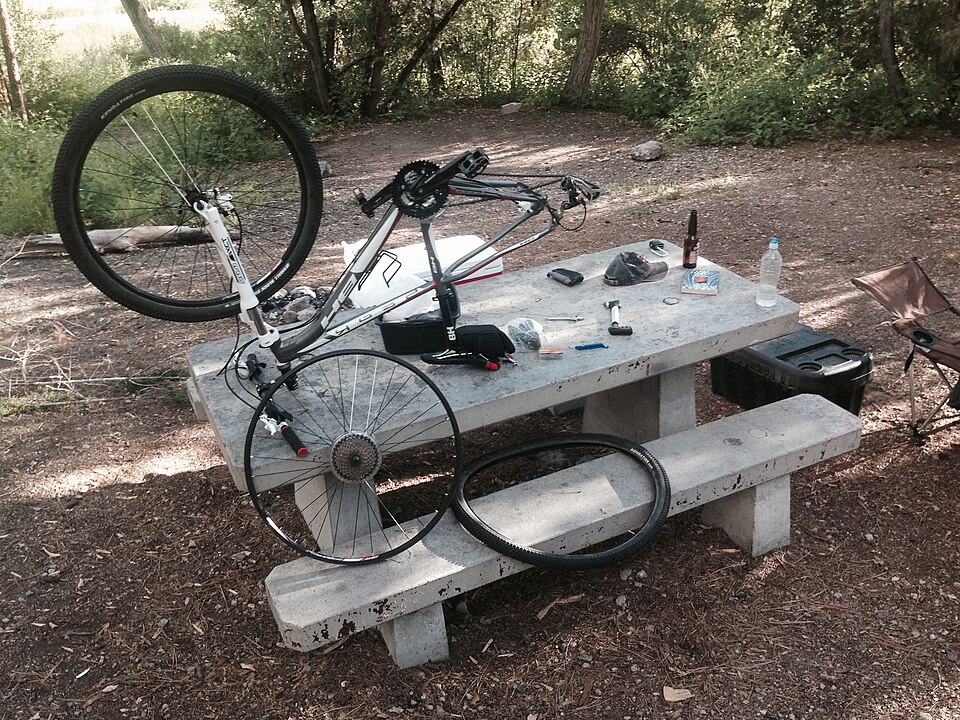
Sprint races demand maximum power transfer and immediate acceleration. Higher tire pressure reduces rolling resistance and improves responsiveness, giving you that crucial edge when launching attacks or sprinting for the finish line. The physics are simple: less tire deformation means more of your power goes directly into forward motion rather than compressing the tire.
90-105 PSI for smooth criterium courses
Smooth criterium courses with pristine pavement benefit from higher PSI strategies. According to 2025 AI Overview data, 90-105 PSI provides optimal acceleration and handling for sprint-focused criteriums. This pressure range minimizes tire deformation during hard accelerations, allowing more of your power to go directly into forward motion rather than compressing the tire.
Historical racing used 120-130+ PSI, but modern research from Rene Herse (2026) shows lower pressures are often faster due to reduced suspension loss. However, for pure sprint efforts on smooth surfaces, the higher PSI still delivers snappier acceleration that can make the difference in a tight finish. The key is matching pressure to your specific course conditions.
For a 150-pound rider on 25mm tires, starting at 90-95 PSI provides a good baseline for smooth crit courses. If your race circuit has particularly smooth pavement or you’re racing on a newly resurfaced road, you might push toward 100-105 PSI. The difference in acceleration response can be dramatic – you’ll feel the bike jump forward more immediately when you stomp on the pedals — road cycling.
Track sprinters need even higher pressures – 160-200 PSI on wooden velodrome surfaces. This extreme pressure is possible because track surfaces are perfectly smooth and consistent, eliminating the vibration and bounce risks that would make such high pressure dangerous on roads. The smooth wood surface allows tires to maintain their shape at these extreme pressures, creating a near-frictionless interface that maximizes speed.
Track Sprint Tire Pressure: Maximum Speed on Smooth Surfaces
Track sprinting takes tire pressure to the extreme. The smooth wooden velodrome surfaces allow for pressures that would be impossible on road courses, maximizing speed through reduced rolling resistance. While road racers typically use 80-100 PSI, track sprinters need nearly double that pressure to achieve maximum velocity on the controlled environment of a velodrome.
160-200 PSI for wooden track surfaces
Track sprint specialists run 160-200 PSI on wooden velodrome surfaces, according to pre-collected data. This extreme pressure is possible because track surfaces are perfectly smooth and consistent, eliminating the vibration and bounce risks that would make such high pressure dangerous on roads. The controlled environment of a velodrome allows every variable to be optimized for speed.
The physics behind this pressure requirement: at 160-200 PSI, the tire maintains a rigid, nearly spherical shape that minimizes rolling resistance. On smooth wood, there’s no need for the tire to absorb bumps or conform to surface irregularities. Every watt of power goes directly into forward motion rather than being lost to tire deformation or surface compliance.
Comparing track to road racing pressures reveals why these extremes exist. While smooth criteriums use 90-105 PSI, track sprinters need nearly double that pressure. The smooth wood surface allows tires to maintain their shape at these extreme pressures, creating a near-frictionless interface that maximizes speed. This pressure range is only viable on the controlled environment of a velodrome where every variable is optimized for speed.
Track tires are specifically designed for these pressures – they have stronger casings and different rubber compounds than road tires. The sidewalls can withstand the extreme inflation without blowing out, and the tread patterns (often minimal or non-existent) are optimized for the smooth surface. Using road tires at track pressures would likely result in tire failure.
Pressure Adjustments for Different Rider Weights
Your body weight significantly impacts optimal tire pressure. Heavier riders need higher pressure to prevent bottoming out, while lighter riders can run lower pressures for better comfort and traction. The relationship between weight and pressure follows a predictable pattern that allows you to fine-tune your setup for maximum performance.
+1 PSI per 3-5 lbs over 150 lb baseline
Starting with a 150-pound rider on 25mm tires, crit specialists should use 80-85 PSI as a baseline (Source Endurance, 2016, still cited 2025). For every 3-5 pounds above 150, add 1 PSI to maintain proper tire support and rolling resistance. This weight-based adjustment ensures your tires maintain optimal shape under load.
Canyon Bikes’ 2025 weight chart provides specific guidance: riders between 145-161 pounds (66-73kg) should run approximately 74 PSI with 28mm tires. However, hookless rim users must stay under 72 PSI (5 bar) maximum for safety. This creates a practical limit for lighter riders using modern wheel designs. The weight-based formula ensures you’re not running too low (causing pinch flats) or too high (reducing traction) for your specific body weight.
Here’s a practical weight-based pressure chart for sprint racing:
| Rider Weight | PSI Adjustment | Recommended Pressure |
|---|---|---|
| 130-135 lbs | -3 to -4 PSI | 76-77 PSI |
| 140-145 lbs | -2 to -3 PSI | 78-79 PSI |
| 150 lbs (baseline) | 0 PSI | 80-85 PSI |
| 160-165 lbs | +2 to +3 PSI | 82-88 PSI |
| 170-175 lbs | +4 to +5 PSI | 84-90 PSI |
| 180+ lbs | +6+ PSI | 86+ PSI |
The weight-based adjustments become even more critical for sprint racing because the forces during acceleration are much higher than during steady-state riding. When you’re launching a sprint, your tires experience significantly more load, making proper pressure essential for maintaining traction and preventing tire squirm.
For track sprinting, the weight adjustments follow similar principles but with higher absolute pressures. A 150-pound track sprinter might start around 170 PSI, while a 180-pound sprinter could go up to 190 PSI. The smooth track surface allows these higher pressures to be effective without the comfort compromises you’d experience on road surfaces.
The most surprising finding is that higher PSI isn’t always slower – on smooth surfaces for pure sprint efforts, it can actually be faster. Start with the baseline pressure for your weight and tire size, then test on your specific course. Use a quality pressure gauge and check pressure when tires are cold for consistent results. For your next criterium, try adding 2-3 PSI above your normal pressure and feel the difference in acceleration response – you might just gain those crucial seconds that win races.
Remember that tire pressure is highly individual and depends on multiple factors beyond just weight and surface. Your riding style, tire construction, and even atmospheric conditions can affect optimal pressure. The best approach is to establish a baseline using these guidelines, then experiment during training rides to find what feels best for your specific needs. Keep notes on pressure settings and how they affect your performance – over time, you’ll develop an intuitive sense for the perfect pressure for any given race situation.
For the ultimate sprint performance, consider that tire pressure is just one component of your setup. Wheel selection, tire choice, and even tube type all interact with pressure to affect your final speed. Modern tubeless setups can often run slightly lower pressures than traditional tube-type tires while maintaining the same level of performance, giving you another variable to optimize. The key is systematic testing and finding the combination that works best for your specific racing style and the courses you compete on most frequently.