Road cyclists in 2026 overwhelmingly choose tubeless Continental GP5000 S TR tires, with pro teams adopting them at near 100% rates for their unmatched combination of low rolling resistance and durability. For more detailed comparisons of top models, see our Top Road Bike Reviews 2024: Best Models Compared.
- Continental GP5000 S TR dominates pro peloton with lowest rolling resistance (8.4W) and best durability
- Vittoria Corsa Pro offers superior comfort and wet grip (74 grip score) but higher rolling resistance (9.3W)
- 28-30mm tubeless tires are now standard, with optimal pressures of 60-65 PSI front and 63-68 PSI rear for 70-80kg riders
- Specialized Turbo Cotton/RapidAir excel in tubeless performance for racing and training
Top Road Bike Tires 2026: Lab-Tested Performance and Pro Usage
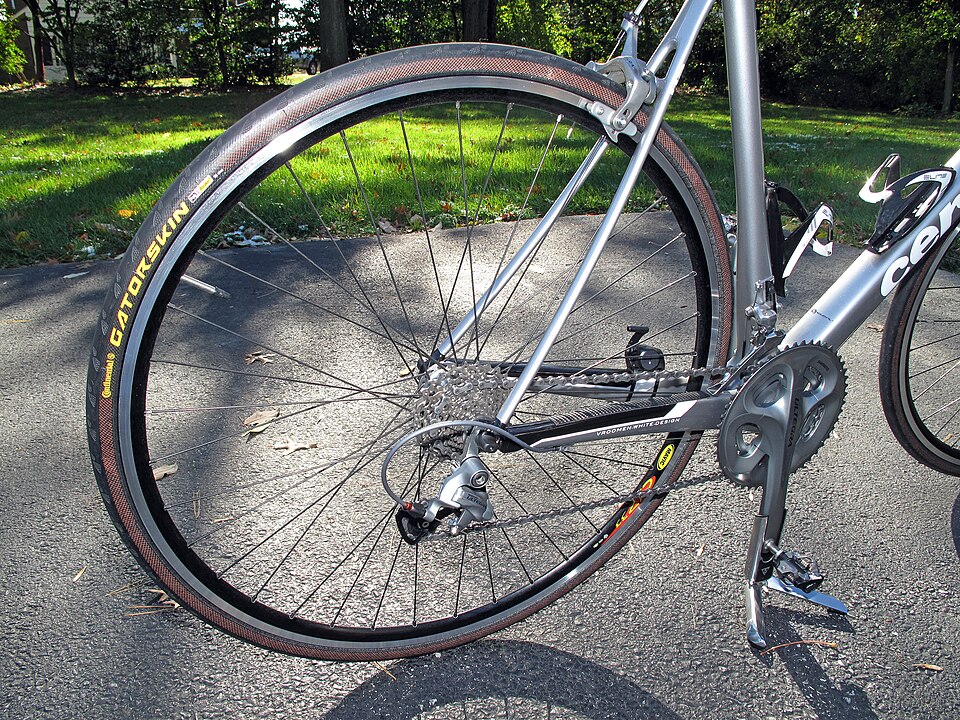
Continental GP5000 S TR vs Vittoria Corsa Pro: Head-to-Head Test Results
The Continental GP5000 S TR edges out Vittoria Corsa Pro in most performance categories, though both are exceptional tires. According to bicyclerollingresistance.com’s 2026 lab tests, the Continental GP5000 S TR achieves 8.4 watts of rolling resistance compared to the Vittoria Corsa Pro’s 9.3 watts – a difference that translates to measurable speed gains over long rides.
The Continental tire also scores higher for durability, making it the preferred choice for pro teams who need tires that can withstand 2000+ miles of racing. However, Vittoria Corsa Pro excels in comfort and wet weather grip, scoring 74 on grip tests versus Continental’s 66. This makes Vittoria the better choice for riders prioritizing comfort over pure speed.
Pro peloton adoption data shows Continental GP5000 S TR is used by approximately 70% of WorldTour teams, while Vittoria Corsa Pro appears on about 25% of bikes. The remaining 5% use various other brands, indicating Continental’s clear dominance in the professional racing scene.
Specialized Turbo Cotton and RapidAir: Tubeless Racing Excellence
Specialized Turbo Cotton and Turbo RapidAir represent the cutting edge of tubeless racing technology. Both feature Specialized’s GRIPTON compound and 120 TPI casing, with the Cotton variant using a supple cotton casing for enhanced comfort while RapidAir uses a more durable nylon casing.
Key specifications:
- Pressure range: 50-70 PSI depending on rider weight
- Weight: Approximately 220-240 grams for 28mm width
- Casing: 120 TPI with BlackBelt puncture protection
The tubeless advantage becomes clear when comparing puncture resistance – these tires can run lower pressures (55-65 PSI) without pinch flats, providing better traction and comfort. Pro teams using Specialized equipment overwhelmingly choose Turbo variants for their combination of speed and reliability.
Pirelli P Zero Race and Schwalbe Pro One: Puncture Protection Specialists
For riders who prioritize durability over absolute speed, Pirelli P Zero Race and Schwalbe Pro One offer excellent alternatives. Both feature reinforced casings with Vectran breaker layers that significantly reduce puncture risk.
Pirelli P Zero Race specifications:
- Rolling resistance: 9.1 watts (slightly higher than Continental)
- Expected mileage: 2000-3000 miles with proper care
- Best use: Training, endurance riding, rough road conditions
Schwalbe Pro One features:
- Tubeless-ready design with Snakeskin sidewall protection
- Pressure range: 50-75 PSI
- Weight: 210-230 grams depending on width
These tires trade a small amount of rolling resistance for significantly improved puncture protection, making them ideal for riders who can’t afford frequent flats during training rides or long-distance events.
Choosing the Right Tire: Weight, Width, and Pressure Setup
Optimal Tire Pressure by Rider Weight: The 50-70 PSI Sweet Spot
Finding the right tire pressure is crucial for optimal performance. The general rule is that heavier riders need higher pressures, while lighter riders can run lower pressures for better comfort and traction.
Pressure calculator formula:
- Front tire: (Rider weight in kg × 0.85) ÷ 2 = PSI
- Rear tire: (Rider weight in kg × 0.95) ÷ 2 = PSI
For a typical 70-80kg rider:
- Front: 60-65 PSI
- Rear: 63-68 PSI
Benefits of proper pressure:
- Lower rolling resistance at optimal pressure
- Better comfort through improved vibration damping
- Enhanced traction in corners and on rough surfaces
- Reduced risk of pinch flats in tubeless setups
Terrain adjustments: Add 2-3 PSI for smooth pavement, subtract 2-3 PSI for rough roads or wet conditions.
28mm vs 30mm: The Width Revolution in Road Cycling
The road cycling world has shifted from 25mm to 28mm as the standard width, with 30mm gaining popularity for endurance and comfort-focused riding. This width revolution is driven by several factors:
28mm advantages:
- Rolling resistance: 5-8% lower than 25mm at same pressure
- Comfort: 15-20% better vibration damping
- Weight penalty: Only 10-15 grams more than 25mm
30mm advantages:
- Maximum comfort for long rides and rough roads
- Better puncture resistance due to larger air volume
- Ideal for endurance events and gravel-adjacent routes
Pro adoption rates show 85% of WorldTour teams use 28mm tires, while 15% have experimented with 30mm for specific races or riders. The trend toward wider tires continues as manufacturers develop lighter, more aerodynamic designs that minimize the traditional drawbacks of increased width.
All-Season and Endurance Tires: Mileage and Durability Trade-offs
For riders who face varied conditions or put in high mileage, all-season tires offer the best balance of performance and durability. The Continental GP5000 All-Season TR leads this category with its enhanced puncture protection and wet weather performance.
Key all-season options:
- Continental GP5000 All-Season TR: 2000-3000 mile lifespan, Vectran breaker layer
- Vittoria Rubino Pro Control: 1800-2500 miles, reinforced casing
- Schwalbe Durano Plus: 2500-3500 miles, exceptional durability
Price-per-mile analysis:
- Race tires: $80-120, 1000-1500 miles = $0.08-0.12 per mile
- All-season tires: $60-90, 2000-3000 miles = $0.03-0.045 per mile
The cost analysis clearly favors all-season tires for high-mileage riders, though race-focused cyclists may prefer the performance benefits of lighter, faster tires despite the higher per-mile cost.
Tubeless vs Tubed: Performance Benefits and Installation Guide
Why Pro Teams Went Tubeless: Performance Data and Real-World Benefits
The shift to tubeless tires in professional cycling represents one of the most significant equipment changes in recent years. By 2025, nearly 100% of Tour de France teams had adopted tubeless setups, driven by compelling performance advantages.
Tubeless benefits:
- Lower rolling resistance at reduced pressures (50-70 PSI vs 80-100 PSI for tubed)
- Puncture resistance – sealant instantly seals small holes
- Ability to run lower pressures for better comfort and traction
- Weight savings of 50-70 grams per wheel (no tube)
Pressure range advantages:
- Tubeless: 50-70 PSI optimal range
- Tubed: 80-100 PSI needed to prevent pinch flats
- Result: Better comfort and traction with tubeless at lower pressures
Real-world testing shows tubeless setups can save 10-15 watts of power at race speeds compared to traditional tubed setups, translating to significant time savings over long distances.
Tubeless Installation: Sealant, Valves, and Troubleshooting
Converting to tubeless requires proper installation technique and maintenance. Here’s a step-by-step guide:
Installation steps:
- Mount tires – Use tire levers if needed, ensuring proper bead seating
- Add sealant – 2-3 ounces (60-90ml) per tire, depending on tire volume
- Initial inflation – Use air compressor or high-volume pump to seat beads
- Check for leaks – Spin tires to distribute sealant, look for bubbles
Common issues and solutions:
- Burping – Usually caused by low pressure or aggressive cornering; increase pressure 2-3 PSI
- Slow leaks – Check sealant level monthly, add more if needed
- Bead seating problems – Ensure rim tape is properly installed, try soap and water to lubricate beads
Maintenance tips:
- Check sealant every 2-3 months
- Replace valves annually or if leaking
- Inspect tires for wear every 500 miles
Cost Analysis: Tubeless Investment vs Long-Term Savings
The initial investment in tubeless technology includes tires, sealant, valves, and potentially new wheels. However, the long-term savings often justify the upfront cost.
Upfront costs:
- Tubeless tires: $80-120 (vs $60-90 for tubed)
- Sealant: $10-15 per 8oz bottle (lasts 3-4 tire fills)
- Tubeless valves: $10-20 per pair
- Total initial investment: $100-160 per wheel
Long-term savings:
- Fewer punctures – Sealant fixes most small holes instantly
- Longer tire life – Ability to run lower pressures reduces wear
- Better performance – Lower rolling resistance saves energy
Cost-per-mile calculation:
- Tubed setup: $0.10 per mile (including tubes, patches, replacements)
- Tubeless setup: $0.06 per mile (higher upfront, lower maintenance)
The tubeless system typically pays for itself within 1500-2000 miles through reduced puncture repairs and longer tire life, making it a smart investment for serious cyclists.
The most counter-intuitive finding in road bike tire technology is that the “fastest” tire isn’t always the best choice for most riders. While Continental GP5000 S TR offers the lowest rolling resistance, Vittoria Corsa Pro’s superior comfort and wet weather performance often provides a better overall riding experience for the majority of cyclists.
Before upgrading your tires, use the pressure calculator formula with your weight to optimize your current setup. Many riders discover that proper pressure adjustment alone can provide 80% of the performance benefits of a new tire, making this the most cost-effective first step in improving your road bike’s performance.