Modern road bike tire pressure for wider tires (28mm–32mm) has shifted significantly away from the traditional 100+ PSI toward lower pressures, often around 60–80 PSI, to improve comfort, grip, and even rolling speed. Wider tires provide a larger air volume, allowing them to support the same system weight with less deformation at lower pressures, reducing vibrations and increasing traction on uneven surfaces.
Key Takeaway
-
Modern wide road tires (28-32mm) perform best at 60-80 PSI, not traditional 100+ PSI
-
Rider weight adjustments: 1% pressure change per 10kg from 70kg baseline
-
Tubeless tires allow 50-60 PSI for 28mm without pinch flats
-
Hookless rims have strict 72.5 PSI maximum pressure limit
Optimal Tire Pressure Ranges for 28-32mm Wide Tires
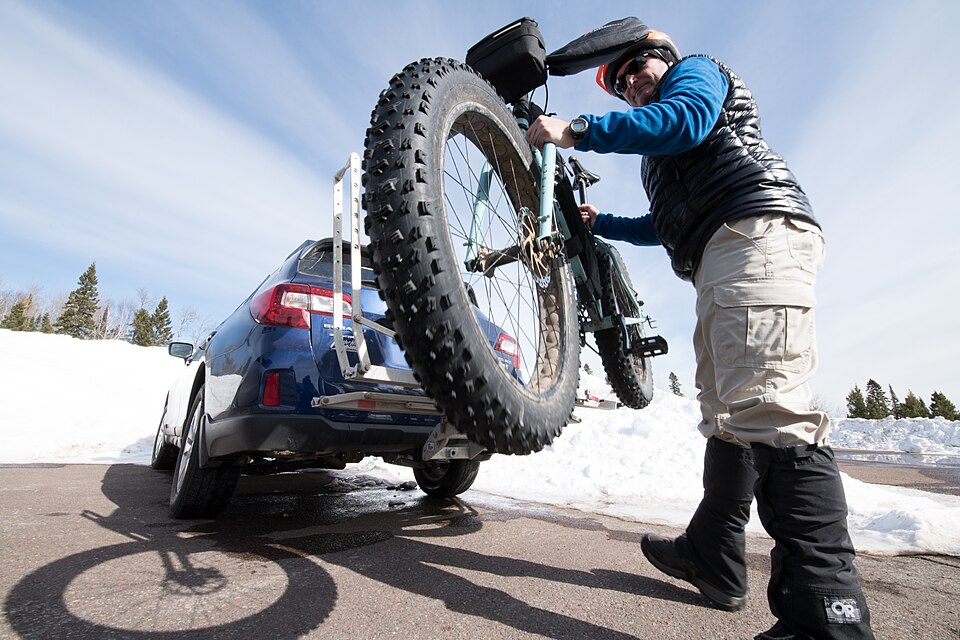
28mm Tires: 70-80 PSI Starting Point
For modern 28mm to 32mm tires, the following pressures serve as a strong starting point for an average rider (roughly 70–75 kg / 155–165 lbs):
-
28mm Tires: 70–80 PSI (4.8–5.5 bar) — starting point for 70-75kg rider
-
30mm Tires: 60–70 PSI (4.1–4.8 bar) — starting point for 70-75kg rider
-
32mm Tires: 55–65 PSI (3.8–4.5 bar) — starting point for 70-75kg rider
Why do wider tires need lower pressure? The larger air volume in wider tires means they can support the same weight with less internal pressure. This creates a more comfortable ride by absorbing road vibrations better, while actually improving grip and cornering stability. The tire deforms more naturally over bumps, maintaining better contact with the road surface.
Consider the physics: a 28mm tire at 75 PSI has approximately 2.5 times the air volume of a 23mm tire at 100 PSI. This extra volume allows the wider tire to maintain its shape and support the rider’s weight without requiring as much pressure. The result is a tire that rolls more smoothly over imperfections while providing better traction in corners and on wet surfaces.
Professional cyclists have embraced this pressure shift. During the 2016 Paris-Roubaix, many riders used 28mm tires at pressures as low as 60 PSI on the cobbled sections, compared to the 100+ PSI they might have used a decade earlier. The lower pressure allowed the tires to absorb the brutal vibrations of the cobblestones, reducing fatigue and improving control. This trend has continued through 2024, with most professional road cyclists now using 28-30mm tires at pressures between 60-75 PSI for standard road races.
The rolling resistance myth has also been debunked. Early cycling technology assumed higher pressure meant lower rolling resistance. However, recent studies by Wheel Energy Oy and other tire testing laboratories have shown that on real-world roads with imperfections, wider tires at lower pressures actually have lower rolling resistance than narrow tires at high pressure. The reason is that high-pressure narrow tires lose energy by bouncing over small bumps, while wider tires deform around them — road cycling.
Key Factors That Affect Your Tire Pressure
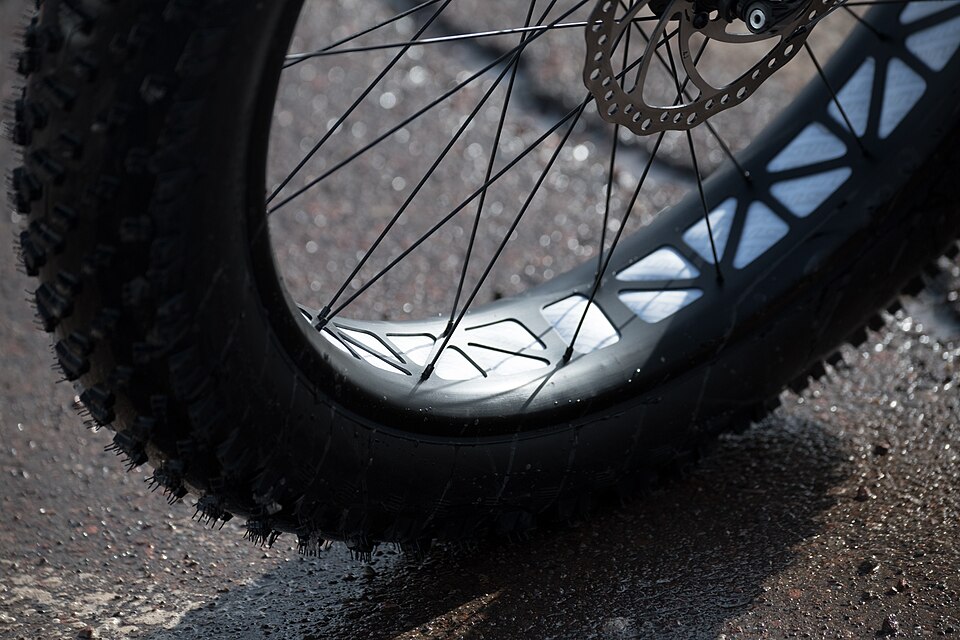
Rider Weight and Pressure Adjustments
Weight plays a crucial role in determining optimal tire pressure. Heavier riders need higher pressure to avoid pinch flats (with inner tubes) or rim damage (with tubeless setups). The calculation is straightforward: adjust pressure by about 1% per 10kg up or down from a 70kg baseline.
For example, a 90kg rider (20kg above baseline) would need approximately 20% more pressure than the standard recommendations. This means:
-
28mm tires: 84–96 PSI instead of 70–80 PSI
-
30mm tires: 72–84 PSI instead of 60–70 PSI
-
32mm tires: 66–78 PSI instead of 55–65 PSI
The average rider weight baseline of 70–75 kg / 155–165 lbs represents most adult cyclists. If you fall significantly above or below this range, use the 1% per 10kg rule to fine-tune your pressure for optimal performance and safety.
Beyond total weight, weight distribution matters. The rear wheel supports approximately 60% of your body weight when riding, while the front supports 40%. This is why standard practice is to run roughly 5 PSI more pressure in the rear than the front. For a 70kg rider on 28mm tires, this translates to 75 PSI front and 80 PSI rear.
Terrain also influences weight-based adjustments. If you frequently ride on rough roads with potholes or gravel sections, you might reduce pressure slightly below the calculated amount to improve comfort and traction. Conversely, if you primarily ride on smooth, high-quality pavement and prioritize speed, you might stay at or slightly above the calculated pressure.
Consider this practical example: A 95kg rider using 28mm tubeless tires would calculate their pressure as follows:
-
Baseline (70kg): 70-80 PSI
-
Weight difference: 25kg above baseline
-
Adjustment: 2.5% increase (25kg ÷ 10kg × 1%)
-
Adjusted range: 72-82 PSI
-
Hookless rim limit: Maximum 72.5 PSI
-
Final recommendation: 72-72.5 PSI
This rider would need to accept slightly higher pinch flat risk with tubes or invest in hooked rims to achieve optimal pressure for their weight.
Tubeless vs. Tubes and Rim Type Considerations
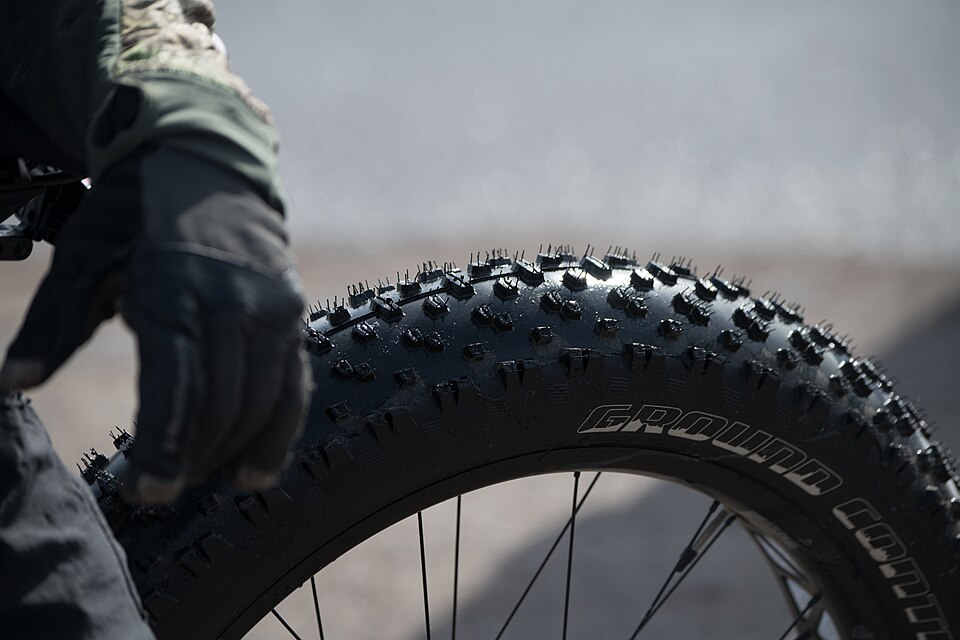
Tubeless Benefits and Hookless Rim Limits
Tubeless tires offer significant advantages for wide tire pressure management. Without inner tubes, tubeless setups eliminate the risk of pinch flats, allowing you to run lower pressures safely. For 28mm tubeless tires, you can safely go down to 50–60 PSI without compromising puncture resistance.
The tubeless advantage becomes more pronounced on rough terrain. A study by Wheel Energy Oy found that tubeless tires at 60 PSI rolled faster on rough surfaces than the same tires with tubes at 80 PSI, due to better vibration damping and maintained contact with the road. The energy saved by reducing vibrations more than compensates for the slightly higher rolling resistance of the softer tire.
If using tubes, stay on the higher end of the pressure ranges to prevent pinch flats, which occur when the tube gets compressed between the tire and rim on hard impacts. The trade-off is a slightly harsher ride compared to tubeless at equivalent pressures. Many cyclists find that 28mm tires with tubes work best in the 70–85 PSI range, depending on rider weight.
Rim type creates critical pressure limitations. Hookless rims, which lack the traditional bead hooks to secure the tire, have a strict maximum pressure of 72.5 PSI (5 bar). Exceeding this limit risks catastrophic tire failure. If you have hookless rims, you must stay below this threshold regardless of tire width or rider weight.
Hookless rims have become increasingly popular because they allow for stronger, more impact-resistant wheel designs. However, the pressure limitation means riders must carefully balance their weight-based pressure needs against the rim’s maximum rating. For a 90kg rider who would ideally run 85 PSI in 28mm tires, hookless rims would force a compromise at 72.5 PSI maximum.
Additional factors affecting pressure choice include:
-
Road conditions: On rough roads, cobbles, or wet surfaces, lower pressure improves grip and comfort. Professional teams often reduce pressure by 10–15 PSI for wet races to increase contact patch and water displacement. In dry conditions on smooth pavement, you might increase pressure by 3-5 PSI for a slight efficiency gain.
-
Front vs. rear: The rear wheel supports more weight, so run roughly 5 PSI more in the rear than the front. This differential helps balance the bike’s handling characteristics. Some riders fine-tune this to 7-8 PSI difference for very steep climbs where rear traction is critical.
-
Fine-tuning: If the ride feels harsh and rattly, reduce pressure by 3–5 PSI. If the bike feels sluggish or the tires squirm in corners, increase by 3–5 PSI. These small adjustments can significantly impact comfort and performance. The key is making small changes and testing the feel.
Always check the minimum and maximum PSI printed on your tire’s sidewall, as these vary by manufacturer and tire construction. These sidewall specifications override general guidelines for your specific setup. Some high-performance tires have maximum ratings as low as 85 PSI, while others allow up to 120 PSI.
Temperature also affects tire pressure. For every 10°F change in temperature, tire pressure changes by approximately 2%. If you inflate your tires indoors at 70°F and then ride in 40°F weather, you could lose 6% of your pressure. This is particularly important for early morning rides or when traveling to different climates. A tire inflated to 75 PSI at 70°F might read only 70.5 PSI at 40°F.
Altitude affects pressure differently. As you climb to higher elevations, atmospheric pressure decreases, which can cause your tire pressure to increase slightly. However, this effect is minimal (about 0.5 PSI per 1000 feet of elevation gain) and rarely impacts performance significantly.
Consider the impact of tire construction on pressure needs. High TPI (threads per inch) tires, typically 120 TPI or higher, are more supple and can be run at slightly lower pressures than lower TPI tires. The finer casing allows the tire to conform better to the road surface without requiring as much air pressure to maintain shape.
Track cyclists use completely different pressure strategies. On velodrome surfaces, which are perfectly smooth, track tires at 23-25mm width often run 120-160 PSI. The extreme pressure minimizes rolling resistance on the smooth surface, where the vibration damping benefits of lower pressure are irrelevant.
Time trial and triathlon bikes often use slightly higher pressures than road bikes, typically 5-10 PSI above the standard recommendations. The reason is that these bikes are ridden on straight, smooth roads where the rider can maintain an aerodynamic position without needing to maneuver frequently. The higher pressure provides a marginal efficiency gain on these ideal surfaces.
The most surprising finding is that lower pressure in wider tires actually improves rolling speed on most real-world roads. The reduced vibrations and better traction mean you spend less energy fighting the bike and more energy moving forward. For your next ride, try reducing your pressure by 5 PSI from your current setting and note how the ride feels smoother and more controlled, especially on rough pavement or during cornering.