Your body weight directly determines the optimal tire pressure for your road bike. Heavier riders need higher pressure to prevent rim strikes and maintain efficiency, while lighter riders can use lower pressure for better comfort and grip. The total system weight—including bike, rider, and gear—is the most critical factor in finding your perfect PSI.
Key Takeaway
-
Rider weight is the primary factor determining optimal road bike tire pressure
-
Modern road cycling uses lower pressures than historical maximums for better comfort and speed
-
Wider tires allow lower pressures while maintaining support and efficiency
-
Front tire pressure should be 5-10 PSI lower than rear due to weight distribution
-
Always check tire sidewall for minimum/maximum pressure limits before riding
How Rider Weight Determines Your Road Bike Tire Pressure
Your weight is the single most important factor in determining optimal road bike tire pressure. The total system weight—rider, bike, and gear—dictates how much air pressure your tires need to maintain proper support and rolling efficiency. Heavier riders require higher pressure to prevent the rim from bottoming out on bumps, while lighter riders can use lower pressure for improved comfort and traction.
Weight-Based Pressure Chart for 28mm Road Tires
|
Rider Weight |
Front Tire Pressure |
Rear Tire Pressure |
|---|---|---|
|
Light Rider (<60kg / 130 lbs) |
45-50 PSI |
48-53 PSI |
|
Average Rider (70-80kg / 155-175 lbs) |
60-65 PSI |
65-70 PSI |
|
Heavy Rider (>90kg / 200 lbs) |
75-80 PSI |
80-85 PSI |
This chart provides a starting point for 28mm road tires, but your ideal pressure may vary based on tire width, riding conditions, and personal preference. Always verify your pressure falls within the manufacturer’s specified range printed on your tire sidewall. For example, a 150 lb rider on 25mm tires might start at 85 PSI front and 90 PSI rear, while a 200 lb rider would need around 100 PSI front and 105 PSI rear.
The 5 PSI Per 20 lbs Rule for Pressure Adjustment
-
Basic formula: Add or subtract approximately 5 PSI for every 20 lbs (10 kg) of body weight change from the baseline
-
Why it matters: Heavier riders need higher pressure to prevent rim strikes and maintain rolling efficiency
-
Practical application: A 160 lb rider might start at 70 PSI, while a 200 lb rider would need around 85 PSI for the same tire width
-
System weight consideration: Include your bike weight (typically 15-20 lbs) and any gear when calculating total load
-
Adjustment increments: Make pressure changes in 2-3 PSI steps and test ride to feel the difference
Professional cyclists often fine-tune their tire pressure based on course conditions and weather. For instance, during a rainy race, they might drop pressure by 5-7 PSI to improve traction on wet roads. The key is understanding that tire pressure isn’t a one-size-fits-all number but rather a variable that should be optimized for your specific situation.
Why Modern Road Cycling Uses Lower Tire Pressures
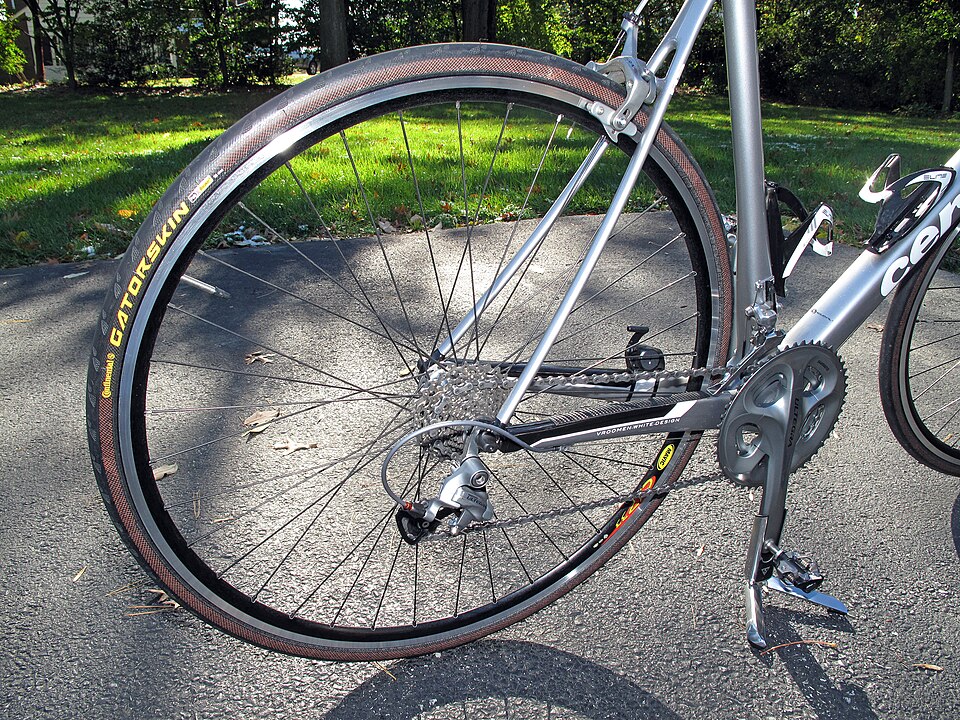
Road cycling has undergone a significant shift away from the traditional high-pressure approach. Modern cyclists recognize that excessively high pressure creates a harsh ride, reduces traction, and can actually slow you down by bouncing over imperfections rather than rolling smoothly. Today’s trend favors lower pressures that allow tires to conform to road surfaces, improving both comfort and speed.
Wider Tires Enable Lower Pressure Without Speed Loss
The evolution of road bike tires from narrow 23mm to wider 25mm, 28mm, and even 32mm options has revolutionized pressure requirements. Wider tires offer greater air volume, which means they can be run at lower pressures while still providing adequate support and maintaining rolling efficiency. This wider-is-better trend has several advantages:
-
Increased air volume: More air means better shock absorption at lower pressures
-
Improved comfort: Lower pressure absorbs road vibrations, reducing fatigue on longer rides
-
Better traction: Tires conform to road surfaces, increasing contact patch and grip
-
Speed benefits: Modern research shows wider tires at lower pressure can be faster than narrow, high-pressure tires on most real-world roads
Specialized and Canyon now recommend 58-74 PSI for a 70kg rider on 28mm tires, a significant departure from the 100+ PSI that was once standard for similar weight riders. This shift reflects a deeper understanding of rolling resistance and how tires interact with road surfaces. The key insight is that a tire that can deform slightly over bumps maintains forward momentum better than one that bounces off them. For more information on maintaining your equipment, check out the Complete Bike Maintenance Checklist Every Cyclist Should Follow to ensure your bike is in top condition.
Tubeless and Hookless Setups Require Pressure Adjustments
-
Tubeless advantages: Tubeless setups generally allow 10-15 PSI less than traditional tubed tires
-
Hookless limitations: Hookless rims often have maximum pressure limits around 5 bar (72.5 PSI)
-
Manufacturer guidelines: Always check specific pressure limits for your rim and tire combination
-
Sealant benefits: Tubeless sealant allows running lower pressures without pinch flats
-
Pressure verification: Use a quality floor pump with a pressure gauge to ensure accuracy
The tubeless revolution has further pushed pressure boundaries downward. Without an inner tube, riders can safely run pressures that would cause pinch flats in traditional setups. Many professional cyclists now run pressures as low as 60 PSI in front and 65 PSI in rear on 28mm tires, even for racing on smooth pavement. The added benefit of self-sealing punctures makes tubeless an attractive option for riders seeking both performance and reliability.
Front vs Rear Tire Pressure: Weight Distribution Matters
Weight distribution on a road bike isn’t equal between the front and rear wheels. The rear wheel typically supports more weight due to the rider’s position and the bike’s geometry. This uneven weight distribution means your front and rear tires should have different pressures for optimal performance.
Why Rear Tire Needs Higher Pressure Than Front
The rear tire carries approximately 60-65% of the total system weight on a road bike. This weight bias requires higher pressure in the rear tire to maintain proper support and prevent bottoming out. The pressure difference between front and rear tires typically ranges from 5-10 PSI, with the rear being higher.
-
Weight distribution: Your body position naturally places more weight over the rear wheel
-
Handling benefits: Proper pressure balance improves bike stability and cornering
-
Rolling efficiency: Correct pressure prevents energy loss from tire deformation
-
Wear patterns: Even pressure distribution helps tires wear more uniformly
-
Comfort optimization: Slightly lower front pressure can improve comfort without sacrificing control
Understanding this weight distribution is crucial for proper setup. A 180 lb rider might use 75 PSI in the front and 80 PSI in the rear, while a 140 lb rider could go with 60 PSI front and 65 PSI rear. These differences might seem small, but they significantly impact how your bike handles and performs across various conditions.
Surface Conditions and Weather Pressure Adjustments
-
Wet conditions: Lower pressure by 5 PSI in wet weather for better grip and water displacement
-
Rough surfaces: Decrease pressure by 3-5 PSI on chip seal or rough pavement for comfort
-
Smooth pavement: You can slightly increase pressure (2-3 PSI) on perfectly smooth roads for efficiency
-
Cold weather: Tire pressure drops approximately 1 PSI for every 10°F temperature decrease
-
Long rides: Check and adjust pressure if riding in significantly different temperatures
Weather and surface conditions dramatically affect optimal tire pressure. In wet conditions, lowering pressure increases the tire’s contact patch with the road, improving grip and reducing the risk of sliding. On rough roads, lower pressure allows the tire to absorb vibrations rather than transmitting them to the rider, reducing fatigue and maintaining better control. Conversely, on perfectly smooth indoor tracks, some riders increase pressure slightly for maximum efficiency.
The most surprising finding is that excessively high tire pressure can actually slow you down. While it might seem logical that harder tires would roll faster, the reality is that over-inflated tires bounce over road imperfections, wasting energy and reducing traction. Finding your optimal pressure—which is often lower than you’d expect—can improve both your comfort and your speed.
Ready to optimize your ride? Start by checking the pressure in your current tires and comparing it to the weight-based recommendations above. Make small adjustments of 2-3 PSI at a time, then take a test ride to feel the difference. Your perfect tire pressure is the one that balances comfort, grip, and efficiency for your specific weight and riding conditions. Many cyclists find that experimenting with pressure is one of the most cost-effective ways to improve their riding experience. For more Essential Cycling Tips for Beginners Starting Their Journey, consider exploring additional resources to enhance your cycling knowledge.