Finding the perfect tire pressure for your road bike can make the difference between a smooth, efficient ride and a sluggish, uncomfortable one. Modern road bike tire pressure calculators use your weight, tire width, and riding conditions to determine optimal PSI, helping you achieve the ideal balance of speed, comfort, and grip.
Key Takeaway
-
Optimal PSI balances speed, comfort, and grip – too low causes pinch flats, too high reduces traction
-
Modern calculators factor weight, tire width, surface conditions, and tubeless vs tubes
-
Rear tire typically needs 2-5 PSI higher than front for proper weight distribution
How to Calculate Your Road Bike Tire Pressure
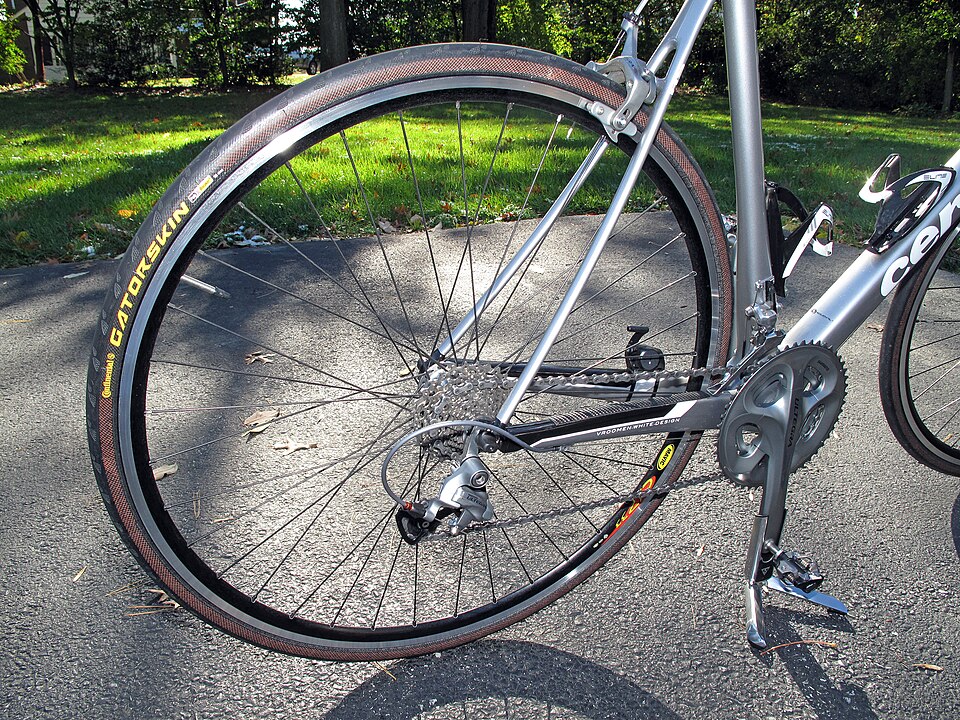
Weight-based formula: Total weight divided by 10 for 25mm base pressure
The most straightforward method to estimate tire pressure starts with your total weight. For a 25mm tire, divide your weight in pounds by 10 to get the base rear tire pressure. For example, a 160-pound rider would start with 16 PSI for the rear tire. This weight-based formula provides a solid foundation that you can adjust based on your specific setup and conditions.
Once you have your base pressure, you’ll need to make several adjustments. For every 2mm increase in tire width above 25mm, reduce pressure by approximately 5 PSI. So if you’re running 28mm tires, subtract 7-8 PSI from your base calculation. Surface conditions also play a crucial role – rough roads require 5-10 PSI less than smooth pavement to maintain traction and comfort, while smooth surfaces can handle higher pressures for better efficiency.
Front tire pressure typically runs 2-5 PSI lower than the rear, accounting for the weight distribution on most road bikes where about 60% of the rider’s weight sits on the rear wheel. Heavier riders should proportionally increase pressure – for every 20 pounds above average, add 2-3 PSI to your calculation. These adjustments ensure your tires maintain proper shape and performance across different riding scenarios.
Modern calculators: Silca vs SRAM/Zipp vs Vittoria differences
Professional tire pressure calculators from major cycling brands use sophisticated algorithms that consider multiple factors beyond simple weight calculations. Silca’s Pro Tire Pressure Calculator factors in rider weight, tire size, surface conditions, and riding speed to recommend optimal pressures. Their approach often results in higher pressure recommendations compared to other calculators, with some users reporting 10-20 PSI differences for the same setup — road cycling.
SRAM/Zipp’s calculator takes a slightly different approach, incorporating ride type (race, endurance, or casual), surface conditions (dry or wet), and detailed tire specifications including casing and rim width. For a 72kg rider on 25mm tires, SRAM might recommend 77 PSI front and 82 PSI rear, while Silca could suggest 97 PSI for both tires. These differences highlight how each brand’s philosophy affects their recommendations.
Vittoria’s calculator uses a more scientific approach, considering your complete setup including tubeless or tube configuration, terrain type, and even temperature. Their recommendations often fall between Silca and SRAM, providing a balanced option for riders who want data-driven pressure settings. ENVE’s calculator similarly factors in rim width and tire construction, recognizing that wider internal rim widths can support lower pressures without compromising performance.
Tire Pressure by Width and Conditions
25mm, 28mm, and 30mm tire pressure ranges
|
Tire Width |
Recommended PSI Range |
Typical Use Case |
|---|---|---|
|
25mm |
70-90 PSI |
Traditional road racing, smooth pavement |
|
28mm |
70-75 PSI |
All-around road riding, mixed surfaces |
|
30mm |
60-65 PSI |
Gravel roads, rough pavement, endurance riding |
These pressure ranges represent optimal starting points for each tire width, but individual preferences and conditions may require adjustments. The trend toward wider tires in recent years reflects their ability to run lower pressures while maintaining speed and efficiency. A 28mm tire at 72 PSI can often outperform a 25mm tire at 85 PSI on rough roads due to better vibration damping and increased contact patch.
When selecting your pressure within these ranges, consider your riding style and typical routes. Competitive racers on smooth velodrome tracks might choose the upper end of the range for maximum efficiency, while endurance riders on rough country roads would benefit from the lower end for comfort and traction. The key is finding the pressure that allows your tire to maintain its optimal shape under your specific weight and riding conditions.
Tubeless vs tubes: Pressure differences and benefits
-
Pressure ranges: Tubeless 25-28mm tires typically run 70-100 PSI (5-7 bar), while 30-32mm tubeless tires perform best at 50-80 PSI (3.5-5.5 bar)
-
Pinch flat protection: Tubeless setups allow 10-15 PSI lower pressures without pinch flat risk compared to tube setups
-
Sealant benefits: Tubeless sealant can seal small punctures instantly, maintaining pressure during rides
-
Rolling resistance: Lower tubeless pressures often reduce rolling resistance on rough surfaces by maintaining better tire contact
-
Weight savings: Eliminating tubes saves 50-70 grams per wheel, improving acceleration and climbing
The ability to run lower pressures safely makes tubeless setups particularly advantageous for road cyclists. Without the risk of pinch flats that tubes present, you can drop pressure to improve comfort and traction without sacrificing reliability. This is especially beneficial on rough roads where traditional tube setups would require higher pressures to prevent flats.
Converting to tubeless also changes how you think about pressure adjustments. While tube setups require careful pressure management to avoid flats, tubeless systems are more forgiving, allowing you to experiment with lower pressures for improved comfort and grip. Many cyclists find their ideal tubeless pressure is 5-10 PSI lower than what they previously used with tubes, resulting in noticeably smoother rides without the flat tire concerns.
When to Adjust Your Tire Pressure
Surface conditions: Rough roads vs smooth pavement
Surface conditions dramatically impact optimal tire pressure. On rough, chip-sealed roads or cobblestone sections, lower pressures (5-10 PSI below your normal setting) help the tire absorb vibrations and maintain better contact with the uneven surface. This improved contact patch increases traction and reduces the harsh feedback that can fatigue your hands and arms on long rides.
Smooth pavement, conversely, allows for higher pressures that maximize efficiency. On velodrome tracks or freshly paved roads, you might increase pressure by 5 PSI to reduce rolling resistance and achieve maximum speed. The key is matching your pressure to the surface – too high on rough roads creates a harsh ride and reduces traction, while too low on smooth surfaces wastes energy through tire deformation.
Silca’s 2026 research on surface impedance breakpoint suggests that every road surface has an optimal pressure range where rolling resistance is minimized. Below this range, the tire deforms too much and creates excess drag. Above it, the tire bounces over surface irregularities, also increasing resistance. Finding this sweet spot requires experimentation, but starting with the calculator recommendations and adjusting based on feel is an effective approach.
Weather and riding style: Wet, dry, and speed factors
-
Wet conditions: Reduce pressure by 2-3 PSI to increase contact patch and improve water evacuation
-
High-speed riding: May require 1-2 PSI higher pressure to prevent tire squirm under hard cornering
-
Endurance vs racing: Endurance riders often prefer 5-7 PSI lower for comfort on long rides
-
Temperature effects: Tire pressure increases approximately 2% for every 10°F temperature rise
-
Altitude changes: Pressure decreases about 1 PSI per 1000 feet of elevation gain
Weather conditions significantly affect how your tires perform. In wet conditions, slightly lower pressure increases the tire’s contact patch and helps channel water away from the tread, improving grip on slippery surfaces. This small adjustment can make a noticeable difference in confidence during rainy rides, particularly when cornering or braking.
Your riding style and intensity also dictate pressure adjustments. High-speed criterium racing or fast group rides may benefit from slightly higher pressure to maintain tire stability under hard cornering forces. Conversely, long endurance rides or solo training sessions often feel better with lower pressures that absorb road vibrations and reduce fatigue over hours in the saddle.
Environmental factors like temperature and altitude create pressure variations that require attention. A tire set at 80 PSI in a cool garage might read 85-90 PSI after riding in hot afternoon sun. Similarly, climbing from sea level to mountain passes can reduce pressure by 3-5 PSI. These changes are normal, but being aware of them helps you maintain optimal performance throughout your ride.
The most surprising finding in modern tire pressure research is that wider tires at lower pressures often roll faster than narrow tires at high pressures on real-world roads. This contradicts decades of conventional wisdom but makes sense when you consider that rough surfaces cause high-pressure tires to bounce, wasting energy. The action step is simple: start with a calculator recommendation, then experiment by lowering pressure in 2-3 PSI increments until you find your personal sweet spot for comfort and performance.