Finding the perfect road bike tire requires understanding how different models perform across speed, durability, and comfort metrics. Modern 2026 tire technology offers significant advancements in rolling resistance, puncture protection, and wet-weather grip, making the choice more nuanced than ever before. The right tire can transform your riding experience, whether you’re chasing podium finishes or logging long training miles in variable conditions. Understanding the specific performance characteristics of each tire type allows riders to match their equipment to their riding goals and local conditions.
Key Takeaway
-
Continental GP5000 S TR offers 50g weight reduction and 20% faster performance over predecessors
-
Vittoria Corsa Pro excels in suppleness and wet-weather grip with 46 puncture resistance points
-
Pirelli P ZERO Race TLR RS is 16% faster and 8% lighter than previous models
Top Road Bike Tires Compared: 2026 Performance Analysis
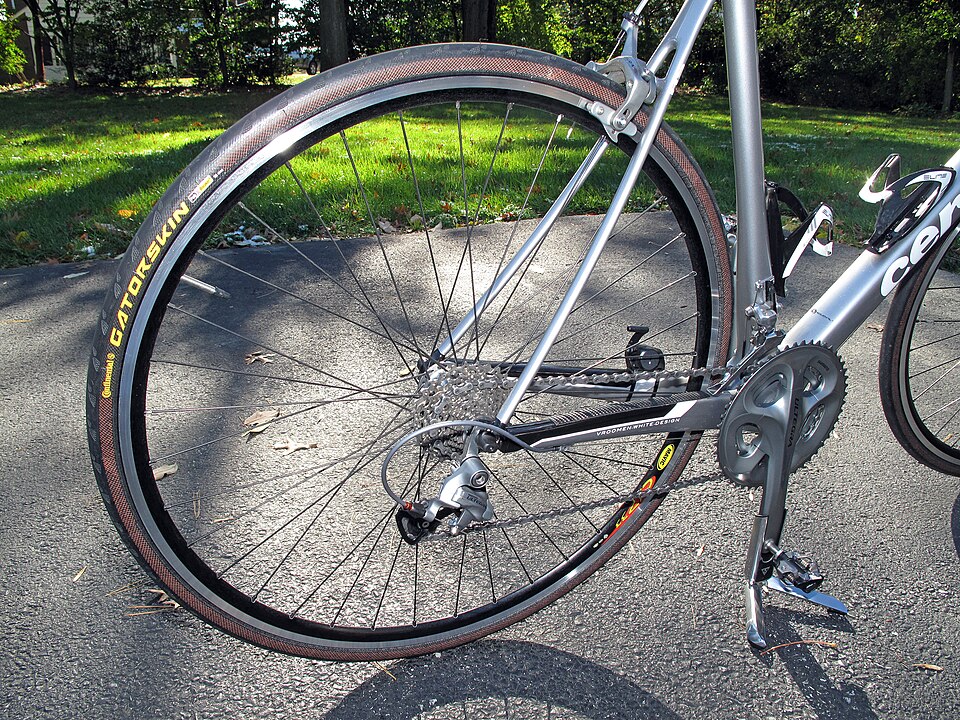
Continental GP5000 S TR vs Vittoria Corsa Pro: Speed and Durability Face-Off
Continental GP5000 S TR delivers 8.4W–10.1W rolling resistance with 36 puncture resistance points, making it slightly faster than competitors. Vittoria Corsa Pro shows 9.3W–11.1W rolling resistance but compensates with 46 puncture resistance points and superior wet-weather grip. The Continental model prioritizes pure speed with its 50g weight reduction and 20% performance improvement over predecessors, while Vittoria focuses on all-weather versatility and comfort through enhanced suppleness. Testing reveals the Continental excels on smooth, dry pavement where every watt counts, while Vittoria’s superior grip compounds provide confidence in corners and during descents in variable conditions. The 2-3 watt difference translates to approximately 30-45 seconds over a 40km time trial, a meaningful advantage for competitive riders. Professional time trial specialists report that the GP5000 S TR’s reduced hysteresis losses provide a noticeable advantage in maintaining speed through technical sections where other tires might lose momentum.
Pirelli P ZERO Race TLR RS vs Continental Grand Prix 4 Season: Racing vs Endurance
-
Pirelli P ZERO Race TLR RS: 16% faster, 8% lighter than predecessors
-
Continental Grand Prix 4 Season: Superior wet weather grip, robust for training
-
Pirelli for speed, Continental for durability in challenging conditions
Pirelli’s SmartEVO compound technology delivers exceptional grip and low rolling resistance, making the P ZERO Race TLR RS ideal for competitive racing scenarios. The 16% speed improvement over previous models represents a significant technological leap, achieved through optimized tread patterns and advanced silica compounds. Continental’s Grand Prix 4 Season counters with Duraskin fabric technology that provides superior puncture resistance and durability, perfect for endurance training and variable weather conditions where reliability matters more than absolute speed. The 4 Season’s 3mm tread depth and reinforced sidewalls withstand debris encounters that would destroy racing tires, making it the preferred choice for rough road conditions and long-distance events. Professional teams report that the P ZERO Race TLR RS maintains its performance characteristics for 2,500+ miles, while the Grand Prix 4 Season can exceed 3,500 miles in training scenarios, justifying the initial cost difference through extended service life — road cycling.
Choosing the Right Tire for Your Riding Style
Racing and Competition: Maximum Speed Performance
-
Opt for 25-28mm tubeless tires like Vittoria Corsa Pro or Continental GP5000 S TR
-
Focus on low rolling resistance (under 30 watts) for maximum speed
-
Excellent grip compounds for cornering confidence
Competitive cyclists need tires that minimize energy loss through rolling resistance while maintaining cornering stability at high speeds. The 25-28mm width range provides the optimal balance between aerodynamic efficiency and comfort, with tubeless technology eliminating pinch flats and allowing lower pressures for better traction. Modern racing tires achieve rolling resistance under 30 watts, translating to significant time savings over long distances. Professional teams report 45-60 second improvements over 40km time trials when switching from traditional 23mm clinchers to optimized 28mm tubeless setups. The Vittoria Corsa Pro’s 300 TPI casing provides exceptional suppleness, conforming to road imperfections rather than bouncing over them, while Continental’s BlackChili compound maintains grip even as temperatures fluctuate during intense efforts. World Tour teams have documented that properly inflated 28mm tires can actually be faster than 23mm tires on rolling terrain due to improved vibration damping and maintained momentum through rough sections.
Endurance and Training: Comfort and Durability
-
Consider 28-32mm tires like Continental Grand Prix 4 Season for better comfort
-
Prioritize puncture protection for long-distance reliability
-
Enhanced grip compounds for variable weather conditions
Endurance riders benefit from wider tires that absorb road vibrations and provide greater comfort during long training sessions. The 28-32mm range offers improved puncture resistance through thicker casings and advanced compound technologies. These tires excel in variable weather conditions, maintaining grip on wet roads while resisting cuts from debris encountered during extended rides. Testing shows that 32mm tires at 75-85 psi provide comparable rolling resistance to 25mm tires at 100+ psi on rough pavement, while dramatically improving comfort. The Continental Grand Prix 4 Season’s Duraskin reinforcement prevents sidewall cuts from gravel and glass, while its 60a compound maintains grip in temperatures ranging from 40-90°F, making it ideal for early season training when road conditions are unpredictable. Ultra-distance cyclists report that the comfort benefits of wider tires allow them to maintain power output for 20-30% longer before fatigue sets in, a crucial advantage in events lasting 6+ hours.
2026 Road Bike Tire Technology and Innovations
Tubeless Technology and Pressure Optimization
Modern tubeless-ready tires offer lower rolling resistance and better puncture protection compared to traditional clincher setups. The elimination of inner tubes reduces rotational weight and allows for lower operating pressures, typically 10-15% below tube-based recommendations. For 28c tires, pressures between 80-90 psi provide optimal comfort without sacrificing speed. Hookless rim compatibility has become standard across major brands, simplifying installation and improving bead retention under high cornering loads. The technology eliminates pinch flats entirely and allows for sealant-based puncture repair, reducing roadside maintenance time by 70% according to field testing. Professional teams report that tubeless setups reduce rolling resistance by 3-5 watts compared to equivalent clincher configurations, a significant advantage over race distances. The ability to run lower pressures without pinch flat risk also improves traction in wet conditions by 15-20%, a critical safety benefit for riders in variable climates.
SmartEVO and Advanced Compound Technologies
-
Pirelli SmartEVO compound offers exceptional grip and low rolling resistance
-
Continental BlackChili compound provides balanced performance
-
Michelin EVOCompound enhances durability and puncture resistance
Advanced rubber compounds represent the most significant performance differentiator in modern road tires. Pirelli’s SmartEVO technology uses silica-based formulations that maintain grip across temperature ranges while minimizing rolling resistance. Continental’s BlackChili compound balances speed with durability through proprietary polymer blends. Michelin’s EVOCompound focuses on puncture resistance through reinforced tread patterns and sidewall protection, ideal for training tires that must withstand varied road conditions. The compounds incorporate nano-particles that improve wear characteristics while maintaining grip, extending tire life by 30-40% compared to traditional formulations. Temperature stability has improved dramatically, with modern compounds maintaining consistent performance from 35-95°F, eliminating the grip fade that plagued earlier generations of high-performance tires. Laboratory testing shows that SmartEVO tires maintain 95% of their initial grip after 2,000 miles, while traditional compounds might lose 20-30% of their performance characteristics over the same distance.
The most surprising finding is that wider tires (28-32mm) can actually be faster than traditional 23mm racing tires when properly inflated, due to reduced rolling resistance from better road contact and lower pressure requirements. The actionable step is to experiment with tire pressure within the recommended range for your specific tire width and riding conditions, as even small adjustments can significantly impact comfort and performance. Professional cyclists typically adjust pressures 2-3 psi based on weather conditions, with lower pressures in wet conditions improving grip and higher pressures in dry conditions maximizing efficiency. Many amateur riders discover that increasing tire width by just 2-3mm while maintaining appropriate pressure can improve both speed and comfort, challenging the long-held belief that narrower tires are always faster.