Road bike suspension systems can reduce vibrations by up to 30%, but this comfort comes at a cost. While traditional road bikes are rigid, modern endurance designs now incorporate small amounts of suspension to manage the trade-off between comfort and performance. For those new to the sport, understanding these differences is crucial, and road cycling fundamentals can help you make informed decisions.
Road bike suspension: when it helps and when it hurts
- Comfort benefits: reduces fatigue, improves traction, and absorbs vibrations by up to 30%
- Performance drawbacks: adds weight, causes energy loss, and requires maintenance
- Surface matters: suspension helps on rough roads but hurts on smooth pavement
- Modern solution: lockouts let you disable suspension on smooth roads
How Road Bike Suspension Systems Work
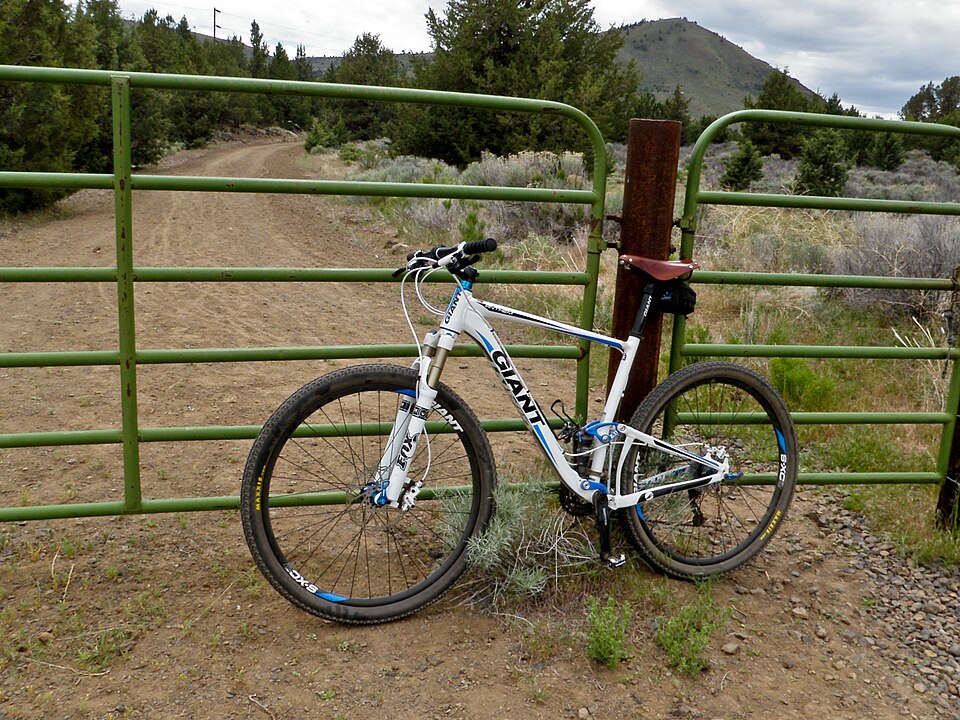
Road bike suspension systems aim to balance comfort, such as reducing fatigue and absorbing vibrations, with performance factors like maintaining traction and handling on rough roads.
Specialized Future Shock vs Trek IsoSpeed vs Suspension Seatposts
- Specialized Future Shock: Provides 20mm of vertical suspension with adjustable damping in version 3.0, using a piston-based mechanism inside the head tube
- Trek IsoSpeed: Decouples the seat tube from the top tube, allowing the seat post to flex backward to absorb vibrations through a pivot point
- Suspension Seatposts: Offer 40mm of travel, with the Specialized Future Shock Seatpost being a prime example, while aftermarket options like the Redshift ShockStop provide roughly 20mm travel
Each system achieves comfort differently: Future Shock uses a hydraulic piston that compresses vertically when hitting bumps, IsoSpeed relies on a mechanical pivot that allows the seat tube to move independently from the frame, and suspension seatposts use telescoping posts with internal springs or elastomers that compress under load. The travel distance varies significantly — 20mm for Future Shock and Redshift ShockStop versus 40mm for dedicated suspension seatposts — affecting how much vibration they can absorb.
How Suspension Absorbs Road Vibrations
Suspension components work by converting the kinetic energy from road impacts into heat through damping mechanisms. When your wheel hits a bump, the suspension compresses, absorbing the shock before it travels up through your frame and into your body. This process reduces the high-frequency vibrations that cause hand numbness and arm fatigue on long rides.
The physics behind vibration reduction involves isolating your body from road irregularities. Instead of feeling every pebble and crack, the suspension absorbs these impacts, allowing your tires to maintain better contact with the ground. This tracking ability improves traction for better cornering and braking, especially on rough surfaces. Research suggests these specialized stems and suspension components can reduce vibrations by up to 30%, making a significant difference in rider comfort over long distances.
Comfort Benefits vs Performance Drawbacks
Comfort & Control Benefits: Suspension systems reduce the impact of road irregularities, which mitigates fatigue and reduces hand numbness. By keeping tires in contact with the ground, suspension can improve traction for better cornering and braking.
Comfort Benefits: Fatigue Reduction and Traction Control
- Fatigue Reduction: Absorbs constant micro-impacts from rough roads, allowing you to ride longer with less exhaustion
- Hand Numbness Prevention: Isolates your hands from road vibrations, particularly beneficial on endurance rides
- Improved Traction Control: Better tire contact with road surface provides superior grip for cornering and more effective braking
- Arm Fatigue Reduction: Reduces the high-frequency vibrations that cause arm pump and discomfort on long rides
Suspension systems offer several specific comfort benefits that make long rides more enjoyable. First, they significantly reduce fatigue by absorbing the constant micro-impacts from rough roads. Instead of your body absorbing every bump, the suspension takes that punishment, allowing you to ride longer with less exhaustion. This is particularly valuable on endurance rides where accumulated fatigue can be the limiting factor. For beginners looking to maximize their riding experience, Essential Cycling Tips for Beginners Starting Their Journey can provide valuable insights.
Second, suspension prevents hand numbness and arm fatigue by isolating your hands from road vibrations. This is particularly beneficial on endurance rides where constant vibration can lead to discomfort and reduced control. The reduction in high-frequency vibrations means your hands and arms don’t experience the same level of fatigue, allowing you to maintain better control throughout your ride. For female cyclists, Essential Cycling Gear for Women: What You Really Need can help you find the right equipment for maximum comfort.
Third, improved traction control comes from better tire contact with the road surface. When your tires maintain consistent contact, you get better grip for cornering and more effective braking, especially on uneven surfaces. This enhanced control can actually make you feel more confident on technical descents and in wet conditions where traction is crucial.
Performance Drawbacks: Weight and Energy Loss
- Weight Penalty: Typically adds 200-400 grams to your bike, noticeable on climbs and accelerations
- Mechanical Complexity: More parts that can wear out or require adjustment, adding to maintenance burden
- Pedal Bob: Rider power absorbed by suspension rather than moving the bike forward, particularly when standing or accelerating
- Energy Efficiency Loss: Suspension movement wastes power that could be used for propulsion
Added components increase weight, which is detrimental to climbing, and introduce mechanical complexity that requires maintenance. Suspension can introduce “pedal bob” or energy loss, where rider power is absorbed by the suspension rather than moving the bike forward, particularly when standing or accelerating.
The weight penalty varies by system but typically adds 200-400 grams to your bike. This extra weight becomes noticeable on climbs and accelerations where every gram matters. For competitive cyclists, this weight difference can be the deciding factor in race situations where marginal gains are crucial.
The mechanical complexity means more parts that can wear out or require adjustment, adding to your maintenance burden. Suspension components need periodic servicing, seal replacement, and damping adjustments to maintain optimal performance. This ongoing maintenance requirement is a significant consideration for riders who prefer low-maintenance setups. To keep your bike in top condition, consider following a Complete Bike Maintenance Checklist Every Cyclist Should Follow.
Pedal bob occurs when your pedaling motion causes the suspension to compress and rebound repeatedly. This energy loss means some of your power output goes into moving the suspension rather than propelling the bike forward. The effect is most pronounced when standing or during hard accelerations, where the suspension can feel like it’s absorbing your effort rather than transferring it to forward motion.
When Suspension Helps vs Hurts Your Speed
For smooth pavement, suspension is often unnecessary and offers a net disadvantage in speed due to added weight and reduced efficiency. However, on cobblestones or very rough roads, suspension can be faster than rigid frames.
The “Optimum Surface” Argument: Smooth vs Rough Roads
- Smooth Pavement: No benefit, actually slower due to weight and energy loss from pedal bob
- Cobblestones: Suspension can be faster by reducing violent bouncing and maintaining power output
- Chip Seal: Moderate benefit depending on roughness level and rider fatigue tolerance
- Gravel Paths: Significant advantage for comfort and traction, potentially improving average speed
On smooth pavement, suspension provides no benefit and actually slows you down. The added weight and energy loss from pedal bob make rigid frames more efficient for racing and fast group rides on good roads. Professional cyclists typically avoid suspension on smooth surfaces because the performance penalty outweighs any comfort gains. In fact, the energy lost through suspension movement can be measured in watts — potentially 10-20 watts of power lost to suspension compression during hard efforts.
However, on rough surfaces like cobblestones, chip seal, or gravel paths, suspension can actually make you faster. The improved traction and reduced fatigue allow you to maintain higher average speeds over long distances. On cobblestones specifically, suspension can reduce the violent bouncing that occurs on rigid frames, allowing you to stay in the saddle and maintain power output. Professional riders in events like Paris-Roubaix have shown that suspension-equipped bikes can be faster on extremely rough terrain despite the weight penalty.
The key is matching your suspension choice to your typical riding surface. If you primarily ride smooth roads, skip the suspension. If you regularly encounter rough pavement or cobblestones, suspension could provide a net performance benefit despite the weight penalty. The crossover point where suspension becomes beneficial typically occurs on surfaces with frequent, high-magnitude impacts that would otherwise cause significant rider fatigue. For those looking to explore new terrain, Finding the Best Cycling Routes Near You: A Local Guide can help you discover the perfect routes for your riding style.
Lockout Systems: The Best of Both Worlds
Many modern systems feature “lockouts,” allowing riders to deactivate the suspension on smooth roads to maximize pedaling efficiency, combining the benefits of both setups. Lockout systems work by essentially stiffening the suspension, preventing it from compressing under normal riding conditions.
This technology solves the traditional suspension dilemma by giving you comfort when you need it and efficiency when you don’t. On smooth roads, you can lock out the suspension to eliminate weight and energy loss. When you hit rough sections, you can unlock it to get the comfort and traction benefits. Most modern lockouts can be activated remotely from the handlebars, allowing you to make adjustments without taking your hands off the grips.
The effectiveness of lockout systems varies by design, but most allow you to switch between locked and active modes in seconds. This flexibility makes modern suspension systems much more practical for riders who encounter mixed terrain conditions. Some advanced systems even feature semi-active suspension that automatically adjusts based on terrain input, though these remain relatively rare in road bike applications.
The decision between suspension and wider tires ultimately depends on your riding terrain. If you primarily ride smooth pavement, skip the suspension and invest in 32mm+ tires at lower pressure for comfort without the weight penalty. But if you regularly face cobblestones or rough chip seal, a suspension system with lockout could actually make you faster. Before buying, test ride both setups on your typical routes to feel the difference yourself.
Consider your riding style and priorities when making this decision. Endurance riders who prioritize comfort on long rides may find the vibration reduction worth the performance penalty, while competitive racers on smooth roads will likely prefer the efficiency of a rigid frame. The technology continues to evolve, with newer systems becoming lighter and more efficient, potentially narrowing the performance gap in the future. If you’re just starting out, a Beginner Cycling Training Plan: Build Your Fitness Safely can help you develop the fitness needed to enjoy longer rides with or without suspension.