Choosing the right road bike frame material can make or break your riding experience. The material you select affects everything from weight and performance to comfort and durability. Whether you’re a competitive racer chasing podium finishes or a weekend warrior exploring scenic routes, understanding the pros and cons of carbon, aluminum, steel, and titanium frames is essential for making the best investment in your cycling journey. For more detailed guidance on selecting the perfect bike for your needs, check out our comprehensive guide to road cycling.
Key Takeaway
-
Carbon frames: lightest (~900g), stiffest, most expensive, impact-fragile
-
Aluminum: affordable, stiff, harsh ride, ideal for beginners/crits
-
Steel: comfortable, heavy (1.8-2.5kg), rust-prone, durable for touring
-
Titanium: optimal balance (light, compliant, corrosion-proof), lifetime frames for all-conditions
Carbon vs Aluminum vs Steel vs Titanium: Which Frame Material Wins?
Weight and Performance: The Core Trade-off
Frame weight directly impacts climbing efficiency and acceleration. Carbon fiber frames dominate the lightweight category, with high-end models weighing just 800-1000 grams. This material offers the best stiffness-to-weight ratio, making it ideal for competitive racing where every gram matters. The material’s ability to be molded into aerodynamic shapes further enhances performance for speed-focused riders. Professional racers often save 30-45 seconds on a 5-mile climb by switching from aluminum to carbon, translating to podium positions in competitive events.
Aluminum frames strike a balance between weight and affordability, typically ranging from 1.2-1.5 kilograms. While heavier than carbon, aluminum provides excellent stiffness and responsiveness at a fraction of the cost. This makes it particularly attractive for crit racing and criterium events where quick handling and durability matter more than absolute weight savings. The material’s predictable failure characteristics also provide safety advantages for competitive riders who push their equipment to limits.
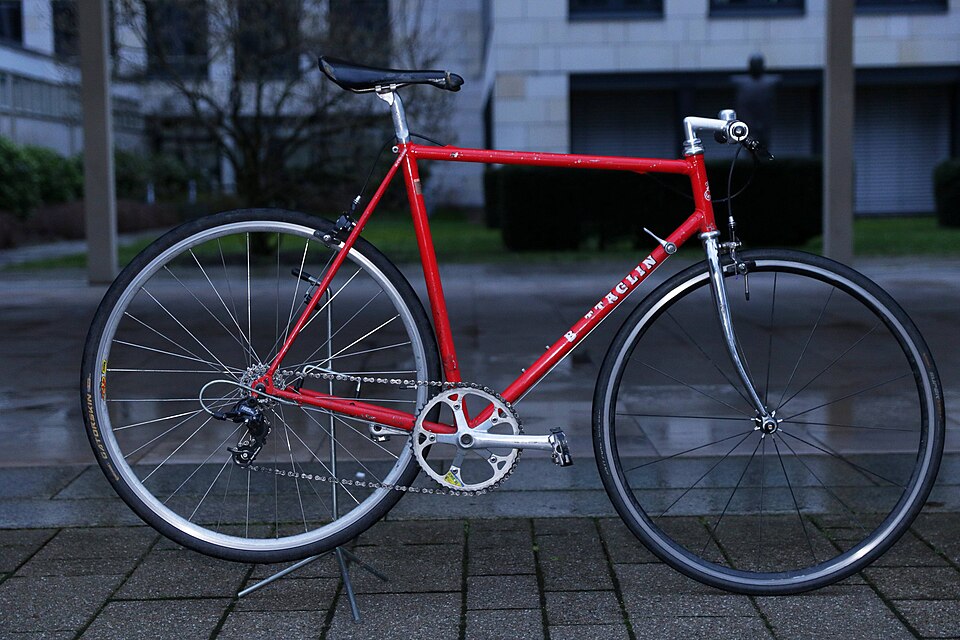
Steel frames, weighing 1.8-2.5 kilograms, prioritize comfort over weight savings. The material’s natural vibration damping properties create a smooth ride quality that’s especially beneficial on rough roads and long-distance tours. Steel’s high fatigue resistance means these frames can withstand thousands of miles of riding without structural degradation. Many steel frames remain rideable after 20+ years of use, making them excellent investments for riders who value longevity over cutting-edge performance.
Titanium frames achieve a remarkable balance at approximately 1.2 kilograms. This material combines the lightweight properties of aluminum with the comfort characteristics of steel. Titanium’s superior impact resistance and corrosion-proof nature make it ideal for riders who demand performance across all conditions without worrying about frame damage. The material’s ability to maintain structural integrity in extreme temperatures (-60°F to 500°F) makes it suitable for riders who explore diverse climates and terrains.
Best Material for Your Riding Style
-
Carbon: Best for racing/climbing – The material’s stiffness-to-weight superiority makes it perfect for competitive scenarios. Aero shapes and tuned compliance allow racers to maintain high speeds while reducing fatigue. However, carbon’s impact fragility means careful handling is essential. Professional teams replace carbon frames every 2-3 seasons due to microscopic damage accumulation.
-
Aluminum: Ideal budget performance – Perfect for beginners entering competitive cycling or riders focused on criterium racing. The material’s stiffness provides responsive handling, while the lower price point allows investment in other components. Aluminum frames typically last 5-7 years with regular use before fatigue becomes a concern.
-
Steel: Smooth/comfortable for touring – Long-distance riders benefit from steel’s natural vibration absorption. The material’s durability makes it suitable for bikepacking adventures where frame reliability matters more than weight savings. Steel’s repairability is a significant advantage – frames can be welded and repaired by most bike shops.
-
Titanium: Optimal balance for all-conditions – Riders who want one frame for everything should consider titanium. The material’s corrosion resistance and impact durability make it ideal for year-round riding in varying weather conditions. Titanium frames often last 15-20+ years, making them lifetime investments despite higher upfront costs.
Cost vs Durability: What You Get for Your Money

Price Ranges and Value Analysis
|
Material |
Price Range |
Best Value For |
Key Benefits |
|---|---|---|---|
|
Carbon |
$2000+ |
Competitive racers |
Lightest weight, maximum stiffness, aero optimization |
|
Aluminum |
$500-1500 |
Beginners, crit racers |
Affordable performance, responsive handling, durable |
|
Steel |
$800-2000 |
Touring riders, commuters |
Comfortable ride, excellent durability, repairable |
|
Titanium |
$2500+ |
All-condition riders |
Lifetime durability, corrosion-proof, balanced performance |
Understanding the true cost of ownership requires looking beyond initial purchase price. Carbon frames, while offering the best performance, typically need replacement every 2-3 years for competitive riders due to impact damage and microscopic cracking. This replacement cycle can cost $2000-5000 every few years, making the lifetime cost significantly higher than the purchase price suggests. However, for racers who win prize money or secure sponsorships, this investment often pays for itself through improved performance.
Aluminum frames offer excellent value for beginners and intermediate riders. The material’s predictable failure characteristics mean riders can push their limits without worrying about catastrophic frame failure. A $1000 aluminum bike with quality components often outperforms a $1500 carbon bike with inferior parts. The material’s durability also means fewer maintenance concerns, as aluminum doesn’t require the same level of care as carbon or steel.
Steel frames represent the sweet spot for many riders who prioritize comfort and longevity. While heavier than modern alternatives, steel’s natural compliance reduces fatigue on long rides. The material’s repairability is a significant advantage – steel frames can be welded and repaired by most bike shops, unlike carbon or aluminum. Many steel frames remain rideable after 20+ years of use, making them excellent investments for riders who value longevity over cutting-edge performance.
Titanium frames offer the best long-term value for riders who demand performance across all conditions. The material’s corrosion resistance eliminates one of cycling’s biggest maintenance concerns. Titanium’s superior impact resistance means these frames can survive crashes that would destroy carbon frames. While the upfront cost is high ($2500-5000+), the lifetime durability often makes titanium the most economical choice for riders who keep bikes for many years. The material requires minimal maintenance beyond regular cleaning and occasional bearing replacement. For more information on keeping your bike in top condition, see our Complete Bike Maintenance Checklist Every Cyclist Should Follow.
Lifespan and Maintenance Requirements
-
Carbon: Impact-fragile – Requires careful handling and inspection after crashes. While the material doesn’t fatigue like metal, impacts can create hidden damage that compromises safety. Professional inspection is recommended after any significant impact. Carbon frames should be stored away from direct sunlight and extreme temperatures to prevent resin degradation.
-
Aluminum: Harsher ride, shorter lifespan – The material’s stiffness translates to a less comfortable ride over long distances. Aluminum frames typically last 5-7 years with regular use before fatigue becomes a concern, making them ideal for riders who upgrade frequently. The material’s predictable failure characteristics provide safety advantages for competitive riders.
-
Steel: High fatigue resistance – Steel frames can last decades with proper care. The material’s ability to withstand repeated stress cycles without failure makes it ideal for high-mileage riders. However, steel requires protection from rust through regular cleaning and touch-up painting. Steel frames should be stored in dry environments and protected from road salt exposure.
-
Titanium: Corrosion-proof, lifetime frames – The material’s natural resistance to corrosion eliminates one of cycling’s biggest maintenance concerns. Titanium’s superior impact resistance means these frames can survive crashes that would destroy carbon frames, making them truly lifetime investments. The material requires minimal maintenance beyond regular cleaning and occasional bearing replacement.
Making the Right Choice: Quick Decision Guide
Speed-Focused Riders: Go Carbon
For competitive cyclists and racers, carbon fiber offers unmatched performance advantages. The material’s 900-gram weight advantage over steel translates to significant climbing efficiency – approximately 7-10 watts saved per kilogram on steep gradients. Carbon’s ability to be molded into aerodynamic tube shapes further reduces drag, potentially saving another 10-15 watts at racing speeds. The material’s tuned compliance allows manufacturers to create frames that are stiff where power transfer matters while providing some vertical compliance for comfort. However, this performance comes with trade-offs: carbon frames require careful handling to avoid impact damage, and repairs can be expensive or impossible if the damage is severe. Before making your purchase, check out our Top Road Bike Reviews 2024: Best Models Compared to see the latest options.
Budget-Conscious Beginners: Choose Aluminum
New cyclists often benefit most from aluminum frames due to their excellent value proposition. A $1000 aluminum bike typically offers better component specifications than a $1000 carbon bike, allowing beginners to invest in better wheels, groupsets, and other performance-enhancing components. Aluminum’s stiffness provides responsive handling that helps new riders develop proper technique and feel road feedback. The material’s durability means beginners can learn without worrying about expensive frame damage from minor crashes or transportation mishaps. For crit racing enthusiasts, aluminum’s combination of stiffness and affordability makes it ideal for the tight turns and frequent accelerations characteristic of these events. If you’re just starting out, our Essential Cycling Tips for Beginners Starting Their Journey can help you get started safely.
Touring and Comfort Riders: Steel or Titanium
Riders prioritizing comfort and durability should consider steel or titanium frames. Steel’s natural vibration damping properties create a noticeably smoother ride quality, reducing fatigue on long rides. The material’s repairability is a significant advantage – steel frames can be welded and repaired by most bike shops, unlike carbon or aluminum. Titanium offers similar comfort characteristics while providing superior weight savings and corrosion resistance. For bikepacking adventures or century rides, both materials excel at absorbing road vibrations that would fatigue riders on stiffer frames. The main consideration becomes budget: steel offers excellent comfort at mid-range prices, while titanium provides lifetime durability for riders willing to invest in premium performance.
The most surprising finding in frame material selection is that the material choice often matters less than component selection for most riders. A well-equipped aluminum bike with quality wheels and groupset frequently outperforms a poorly spec’d carbon frame in real-world conditions. The second actionable step is to test ride different frame materials before purchasing – the ride quality differences between materials are often more noticeable than weight differences for recreational riders. Consider your riding priorities: if you’re racing, carbon’s weight savings matter; if you’re touring, comfort and durability matter more than a few hundred grams.