Road bike tire pressure for racing tires has evolved significantly in recent years. Modern racing tires, particularly Specialized models like the S-Works Turbo, perform best at 70-95 PSI, a stark contrast to the historical practice of using pressures over 100 PSI. This lower pressure range enhances grip, reduces rolling resistance, and improves overall speed on modern wider rims (26-30mm) and tubeless setups.
- General range for Specialized racing tires: 70-95 PSI
- 28mm tires optimal: 70-85 PSI
- Hookless rims maximum: 72 PSI (5 bar)
- Tubeless setup: Use 5-10 PSI lower than tube setups
- Weight adjustment: ~10-15 PSI difference per 50 lbs
What’s the Optimal Tire Pressure for Specialized Racing Tires?
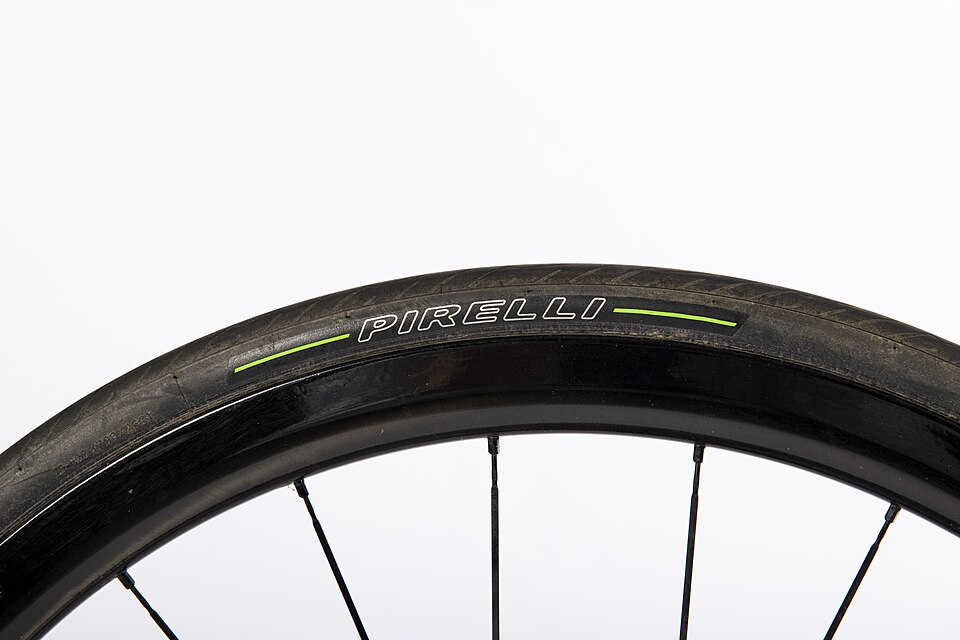
Specialized racing tires require precise pressure settings to maximize performance. The optimal range for these tires generally falls between 70-95 PSI, with specific adjustments based on tire size and rider characteristics.
Pressure Ranges by Tire Size and Setup
26mm Tires: 80-95 PSI is the recommended range for these narrower tires. Heavier riders or those seeking maximum efficiency on smooth surfaces should aim for the higher end of this range.
28mm Tires: These wider tires, now popular among modern racers, perform optimally at 70-85 PSI. The lower pressure provides better grip and comfort while maintaining speed on varied road surfaces.
Weight-Based Adjustments: Lighter riders (under 150 lbs) should reduce pressure by approximately 10-15 PSI compared to the standard recommendations, while heavier riders (over 200 lbs) may need to increase pressure within the safe range.
Modern vs Historical Pressure Trends
The cycling industry has undergone a significant shift in tire pressure philosophy. Historically, cyclists believed that higher pressures (often exceeding 100 PSI) were necessary for speed and efficiency. However, research and real-world testing have demonstrated that lower pressures actually provide better performance for most riders — road cycling.
Modern tire technology, wider rims, and improved road surfaces have made it possible to run lower pressures without sacrificing speed. In fact, pressures in the 70-95 PSI range often result in faster times due to better grip, reduced rolling resistance on imperfect surfaces, and improved comfort that allows riders to maintain power output for longer periods.
How Rider Weight and Road Conditions Affect Pressure Settings
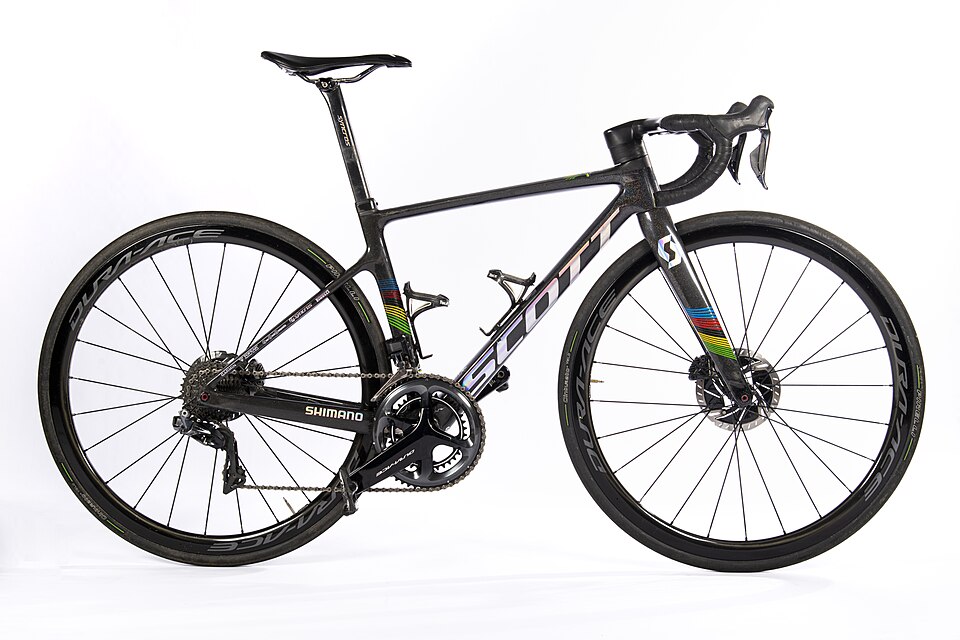
Tire pressure isn’t a one-size-fits-all specification. Several factors influence the ideal pressure for your racing setup, with rider weight and road conditions being the most significant variables.
Weight-Based Pressure Adjustments
A 150 lb rider and a 200 lb rider using the same 28mm racing tires should not use identical pressure settings. The general guideline suggests a difference of approximately 10-15 PSI between these weight categories.
For a 150 lb rider on 28mm tires: 70-75 PSI
For a 200 lb rider on 28mm tires: 80-85 PSI
This weight-based adjustment ensures that each rider maintains optimal tire shape and contact patch for their specific load. Lighter riders need lower pressures to achieve the same tire deformation and grip as heavier riders.
Surface-Specific Pressure Tuning
Road surface quality significantly impacts the ideal tire pressure. On rougher roads with cracks, potholes, or uneven pavement, slightly lower tire pressure can actually increase speed by improving the tire’s contact and grip.
For smooth, newly paved roads: Use standard pressure (70-85 PSI for 28mm tires)
For rough or chip-sealed roads: Reduce pressure by 2-5 PSI to improve comfort and maintain speed
For wet conditions: Consider reducing pressure by 3-5 PSI to increase contact patch and improve traction
The counter-intuitive aspect is that lower pressure on rough surfaces can be faster than higher pressure, as it reduces vibrations and allows the tire to conform better to road irregularities.
Tire Sidewall Capacity Guidelines
Every tire has a maximum pressure rating printed on its sidewall. While modern performance often favors lower pressures, this rating provides a safe operating limit that should never be exceeded.
Always consult the tire’s sidewall for the manufacturer’s specified pressure range. For Specialized racing tires, this range typically aligns with the 70-95 PSI recommendation, but individual models may have specific limits. Exceeding the maximum pressure can lead to tire failure, reduced grip, and a harsh ride quality that decreases performance.
Specialized Setup Considerations: Tubeless and Hookless Rims
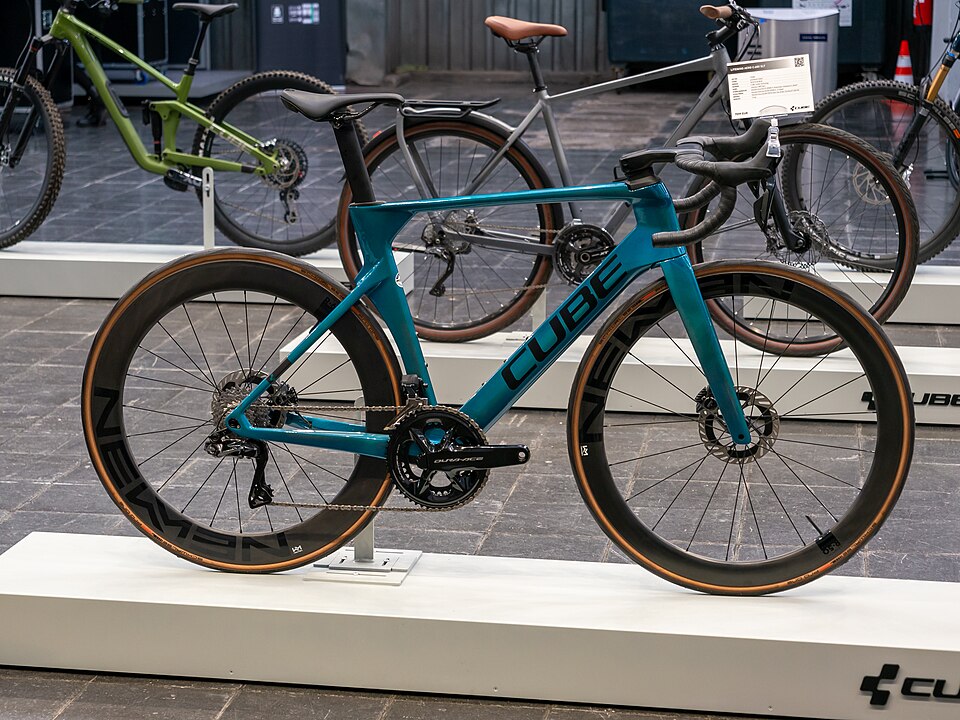
Specialized has developed specific technologies that require unique pressure considerations. Understanding these setup-specific requirements is crucial for optimal performance and safety.
2Bliss Tubeless Pressure Settings
Specialized’s 2Bliss tubeless technology allows cyclists to run pressures 5-10 PSI lower than traditional tube setups. This lower pressure provides several benefits:
- Improved comfort through better shock absorption
- Enhanced grip due to increased tire deformation
- Reduced rolling resistance on imperfect surfaces
- Lower risk of pinch flats
For a 28mm 2Bliss tubeless tire, the optimal range becomes 60-75 PSI instead of the standard 70-85 PSI. The exact pressure within this range depends on rider weight and road conditions, but most cyclists find that they can safely reduce pressure by 7-8 PSI when switching from tubes to tubeless.
Hookless Rim Pressure Limits
Specialized hookless-compatible rims have a maximum pressure limit of 72 PSI (5 bar), regardless of the tire’s maximum pressure capacity. This limit exists because hookless rim designs have different structural characteristics than traditional hooked-bead rims.
For riders using Specialized hookless rims:
- Never exceed 72 PSI, even if your tire’s sidewall indicates a higher maximum
- This limit applies to all tire sizes and types on hookless rims
- Exceeding this limit can compromise rim integrity and safety
The 72 PSI limit is particularly important for heavier riders who might be tempted to increase pressure beyond this point. Instead of increasing pressure, these riders should consider wider tires or different rim types if they need higher volume tires.
Pre-Ride Pressure Check Routine
Tire pressure naturally decreases over time due to air permeation through the tire casing and valve. This gradual loss means that a tire inflated to 85 PSI on Monday might be at 78 PSI by Friday.
It is recommended to check tire pressure before every ride, as tires naturally lose small amounts of air daily. A simple pressure check routine includes:
- Using a quality pressure gauge (digital or dial) rather than relying on touch
- Checking pressure when tires are cold (at room temperature)
- Inflating to your calculated optimal pressure based on weight and conditions
- Rechecking after inflation to ensure accuracy
This routine takes only 2-3 minutes but can significantly impact your ride quality and performance. Many experienced racers carry a small pump and pressure gauge to make adjustments during long rides as temperatures and conditions change.
The most surprising insight about racing tire pressure is that lower pressure can actually increase speed on rough roads. This counter-intuitive finding has revolutionized how professional and amateur cyclists approach tire setup. By running pressures in the 70-95 PSI range rather than the traditional 100+ PSI, riders achieve better grip, improved comfort, and often faster overall times.
For immediate application, check your tire pressure with a gauge before your next ride. If you’re running traditional tube setups, consider whether you might benefit from the 5-10 PSI reduction that tubeless technology allows. The right pressure for your Specialized racing tires could be the simplest performance upgrade you make this season.