Combining power meters and heart rate monitors gives beginners the best of both worlds: immediate workload data and insight into physiological response. This dual approach, used by elite cyclists like Emma “Silver Emma” Johansson, helps beginners train smarter and avoid common mistakes. Understanding how these two metrics work together can transform your cycling from guesswork to precision training.
Key Takeaway
-
The 80/20 rule: spend 80% of training time at low intensity (Zone 2) and 20% at high intensity
-
Power measures work output instantly; heart rate measures body response with 90-120 second lag
-
Training phases shift focus: off-season on heart rate, build phase on power, peak season on power
Power vs. Heart Rate: What’s the Difference for Beginners?
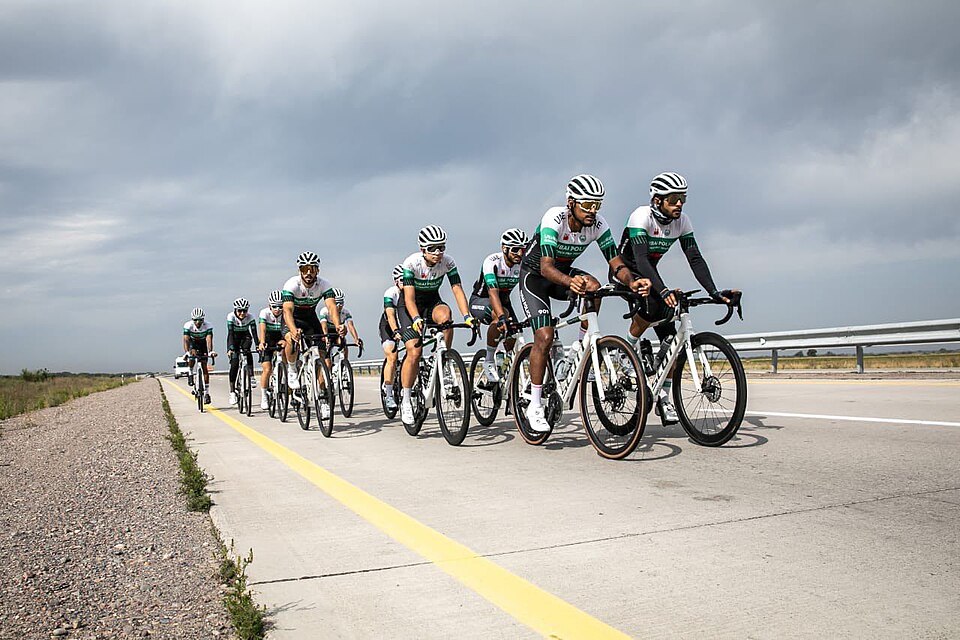
Power Measures Work Output, Heart Rate Measures Body Response
Power meters measure the actual work your legs are doing, providing immediate feedback in watts. This metric is instantaneous and reacts immediately to changes in effort, making it perfect for tracking intervals and short bursts. When you push harder on the pedals, the power meter shows the exact increase in watts within milliseconds. Heart rate monitors, on the other hand, measure your body’s physiological response to that work in beats per minute (BPM). Unlike power, heart rate is subject to lag—taking time to rise—and can be affected by external factors like temperature, fatigue, or stress. Understanding this fundamental difference helps beginners use each metric appropriately rather than confusing the two.
The key distinction lies in what each metric tells you about your effort. Power tells you exactly how much work you’re doing right now, while heart rate tells you how your body is responding to that work. For example, on a hot day, your heart rate might be 10-15 beats higher than normal for the same power output because your body is working harder to cool itself. Similarly, if you’re tired from poor sleep, your heart rate might spike more quickly during a workout even though your power output remains the same. These variations make heart rate a less reliable indicator of actual workload but a valuable tool for understanding your body’s state.
Response Time: Power is Instant, Heart Rate Has 90-120 Second Lag
The response time difference between power and heart rate is crucial for beginners to understand. Power output changes immediately when you increase or decrease effort—you see the watts change in real-time on your bike computer. Heart rate, however, has a significant lag of 90-120 seconds before it fully reflects your current effort level. This delay means that during interval training, your heart rate might still be climbing when you’ve already finished the hard effort. Beginners often make the mistake of pushing too hard when they see their heart rate lagging behind, not realizing that the full physiological response hasn’t registered yet.
This lag time has important implications for different types of training. During short, high-intensity intervals lasting 30-60 seconds, your heart rate may barely change because it doesn’t have time to respond. However, your power output will accurately reflect the intensity of your effort. Conversely, during long, steady climbs, your heart rate will eventually stabilize and provide useful information about your sustainable effort level. Understanding these timing differences helps you interpret both metrics correctly and avoid common training mistakes like starting intervals too hard or misjudging your effort during endurance rides.
The 80/20 Rule: Training Smart for Beginners
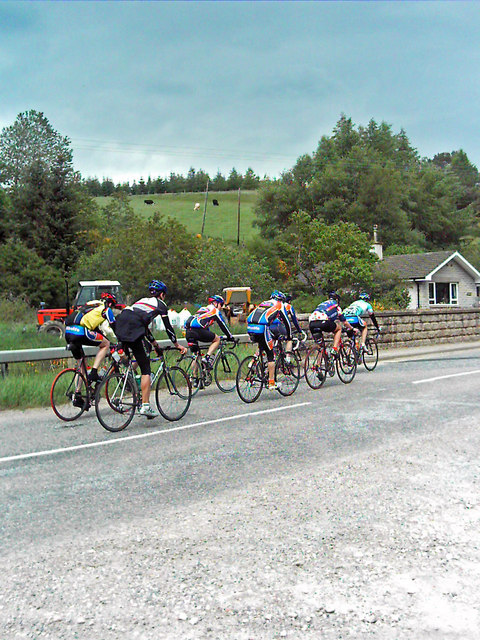
80% Low Intensity (Zone 2) Builds Aerobic Base
The 80/20 rule recommends spending 80% of training time at low intensity, specifically Zone 2, to build a strong aerobic foundation. Zone 2 is typically 60-70% of your maximum heart rate or 55-75% of your functional threshold power. This “easy” training might feel too slow for enthusiastic beginners, but it’s essential for developing the cardiovascular system and improving fat-burning efficiency. Elite cyclists like Emma Johansson spent years building their aerobic base through consistent Zone 2 riding before adding high-intensity work. This approach prevents burnout and creates the endurance foundation needed for longer rides and races.
Zone 2 training offers several physiological benefits that make it the cornerstone of effective cycling training. At this intensity, your body primarily uses fat as fuel, sparing precious glycogen stores for harder efforts. Your mitochondria—the powerhouses of your cells—multiply and become more efficient at producing energy. Your cardiovascular system adapts by increasing blood volume and improving oxygen delivery to working muscles. Most importantly, Zone 2 training builds fatigue resistance, allowing you to ride longer without breaking down. Many beginners are surprised to learn that riding slowly and easily can lead to faster overall progress than constantly pushing hard — road cycling.
20% High Intensity Improves Power and Speed
The remaining 20% of training time should focus on high-intensity efforts that improve power and speed. These sessions might include intervals, hill repeats, or tempo rides at 80-95% of maximum heart rate or 85-105% of functional threshold power. High-intensity training stimulates physiological adaptations like increased VO2 max, improved lactate threshold, and enhanced neuromuscular coordination. However, beginners should be cautious not to exceed the 20% threshold, as too much intensity can lead to overtraining, injury, and stalled progress. The key is quality over quantity in these hard sessions.
High-intensity training works by pushing your body beyond its comfort zone, forcing it to adapt to greater stress. During these efforts, you’ll experience increased breathing rate, burning muscles, and the accumulation of metabolic byproducts like lactate. Your body responds by building more capillaries to deliver oxygen, increasing enzyme production for energy metabolism, and improving your ability to clear lactate from muscles. These adaptations allow you to ride harder and faster over time. However, the recovery time needed after high-intensity sessions is substantial—often 24-48 hours—which is why limiting these efforts to 20% of your training prevents cumulative fatigue and ensures consistent progress.
Training Phases: When to Use Each Metric
Off-Season: Focus on Heart Rate for Endurance Building
During the off-season or base period, beginners should focus primarily on heart rate to build endurance while observing power output. This phase emphasizes Zone 2 riding, where the goal is to maintain a steady heart rate between 60-70% of maximum. Heart rate monitoring helps beginners stay in the correct intensity zone without getting distracted by power numbers. The off-season is also when the heart rate-power relationship is most stable, as fatigue and high-intensity stress are minimal. This period typically lasts 12-16 weeks and forms the foundation for all future training progress.
The off-season provides an ideal opportunity to develop your aerobic engine without the pressure of upcoming events. During this time, your body can focus on building endurance adaptations without the interference of fatigue from hard efforts. Heart rate becomes particularly useful because it’s less affected by the day-to-day fluctuations that occur during more intense training periods. You’ll notice that your heart rate stays remarkably consistent for a given power output when you’re well-rested and training primarily in Zone 2. This stability makes it easier to gauge your effort and ensures you’re staying in the correct training zone. Many successful cyclists use this period to also work on bike handling skills, nutrition strategies, and mental preparation for the season ahead.
Build Phase: Shift to Power with Heart Rate as Check
As training progresses into the build phase, the focus should shift to power ranges while using heart rate as a secondary check. Power becomes the primary metric for intervals and structured workouts because it provides consistent, objective data regardless of external factors. However, heart rate remains valuable as a physiological check—if your heart rate is unusually high for a given power output, it might indicate fatigue, illness, or dehydration. This phase typically lasts 8-12 weeks and includes the introduction of tempo rides, sweet spot training, and threshold intervals.
The build phase represents a critical transition in your training approach. Power data becomes essential for ensuring you’re hitting specific training targets with precision. For example, if your workout calls for 20 minutes at 85% of functional threshold power, the power meter tells you exactly when you’re in the right zone. Heart rate during this phase serves as a reality check—if your heart rate is 10-15 beats higher than normal for the same power, it might be a sign to back off or adjust your training plan. This dual-monitoring approach helps prevent overtraining while ensuring you’re getting the intended training stimulus. The build phase is also when many cyclists start incorporating more structured workouts and begin to see significant improvements in their power numbers.
Peak Season: Focus Primarily on Power for Performance
During peak season or race preparation, training should focus primarily on power to maximize high-intensity performance. At this stage, power data becomes critical for pacing during races, monitoring fatigue, and ensuring you’re hitting specific training targets. Heart rate can still provide useful information but becomes less reliable due to accumulated fatigue and the body’s adaptive responses. Peak season training typically lasts 4-8 weeks before major events and includes race-specific workouts, high-intensity intervals, and tapering strategies. This is when the aerobic base built during the off-season gets expressed through improved power output.
Peak season training is all about specificity and precision. Power meters become your most trusted training tool because they provide immediate, objective feedback regardless of how you feel on any given day. During this phase, you’ll use power data to execute race simulations, practice pacing strategies, and ensure you’re recovering adequately between key workouts. Heart rate monitoring still has value but becomes more of a supplementary metric. For instance, if your heart rate is unusually suppressed during what should be a hard effort, it might indicate that you need additional recovery. The peak season is also when many cyclists invest in advanced analysis tools to track their training stress, monitor fatigue, and optimize their performance for key events.
The most surprising finding for many beginners is that the 80/20 rule, which seems counterintuitive, is actually the most effective approach for long-term improvement. Rather than constantly pushing hard, the majority of training should feel easy, with high-intensity work strategically placed to create the biggest adaptations. The key action step is to start tracking both metrics today—even if you only have a heart rate monitor initially—and begin building your aerobic base with consistent Zone 2 riding. This foundation will serve you for years of cycling improvement.