Beginner cyclists can build a solid foundation using Peloton’s structured indoor workouts, focusing on proper technique, cardiovascular endurance, and consistent, manageable effort. These sessions typically incorporate varied cadences and resistance levels to prepare riders for more intense, longer sessions over time.
- Beginner Peloton workouts focus on proper technique and foundational fitness through structured progression
- Low-impact classes with instructors like Emma Lovewell are ideal for new cyclists to build endurance safely
- Managing cadence and resistance is essential for developing control and confidence on the bike
- A sustainable routine of 3-5 workouts per week helps beginners improve fitness without overexertion
Structured Progression for Beginner Cyclists on Peloton
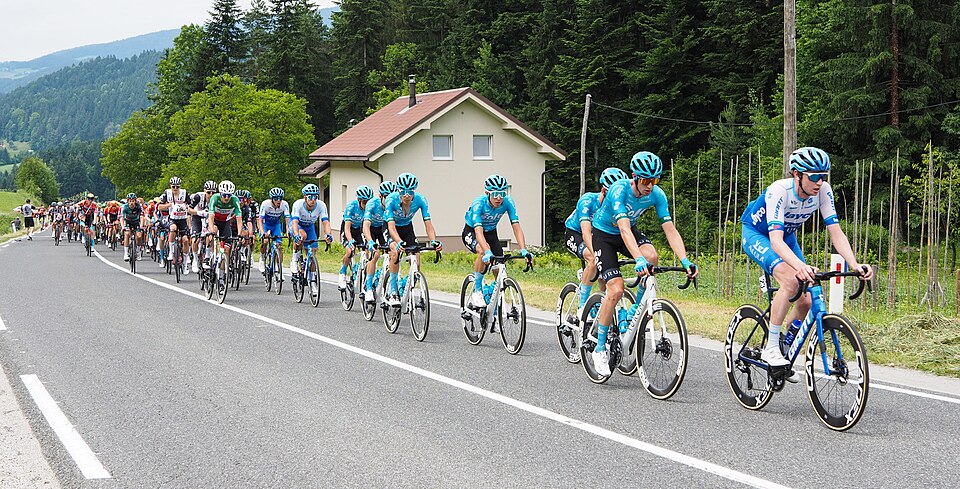
Beginner programs on Peloton start with foundational movements designed to build stamina without overexertion. The structured approach ensures new riders develop proper technique before advancing to more challenging workouts.
Building Foundation with 3-4 Weekly Rides
- 3-4 weekly rides ranging from 30 to 45 minutes focusing on building stamina without overexertion
- Beginner rides (20-30 min) led by instructors like Emma Lovewell introduce basic techniques and structure in a manageable format
- Advanced beginner rides (30 min) build upon basic skills, challenging the rider with slightly more demanding intervals
This progression works because it allows the body to adapt gradually to the demands of cycling. Starting with shorter, less intense sessions helps prevent burnout and reduces the risk of injury. The 30-45 minute duration is long enough to provide cardiovascular benefits while remaining manageable for those new to exercise.
The ‘You Can Ride’ Program for Proper Technique
The ‘You Can Ride’ Program is a structured, multi-week program designed specifically to teach proper form, technique, and familiarize riders with different types of Peloton classes. This program serves as an excellent introduction for those who have never taken a cycling class before.
The program typically spans several weeks, with each session building upon the previous one. Riders learn essential skills such as proper bike setup, correct posture, and how to use the resistance knob effectively. The structured nature of the program ensures that beginners don’t feel overwhelmed and can progress at a comfortable pace.
Low Impact Focus: Safe Training for New Cyclists
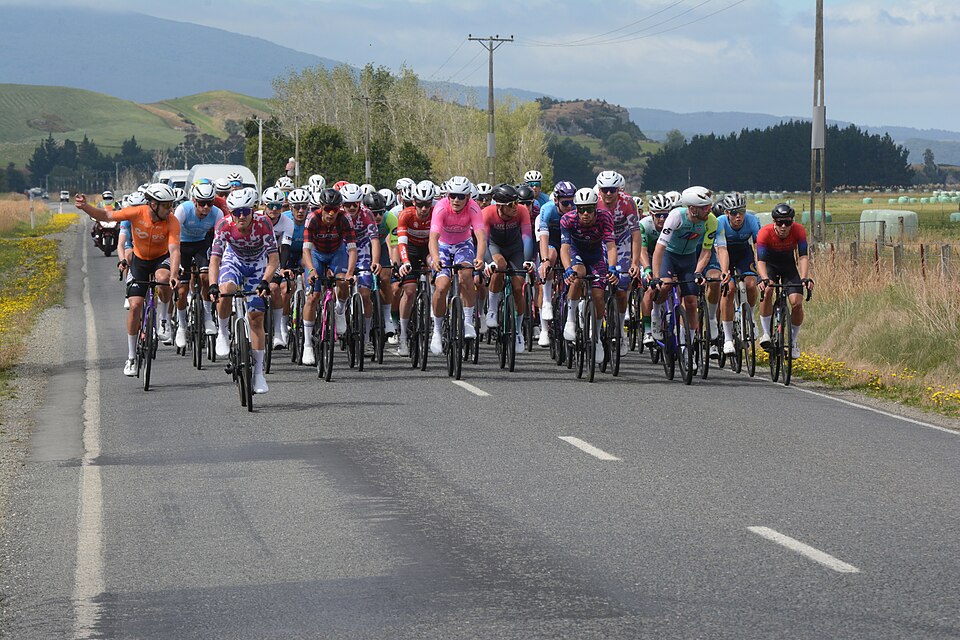
Low-impact classes are particularly beneficial for beginners because they provide an effective workout while being gentler on the joints. These classes focus on consistency in the saddle, which is crucial for building endurance without causing excessive strain.
Emma Lovewell’s Low Impact Classes for Beginners
- Low-impact classes (often taught by instructors like Emma Lovewell) are ideal for beginners
- These focus on consistency in the saddle, which is gentler on the joints while still providing an effective cardio workout
- 45 Min Low Impact Ride with 10-Minute Climb – Emma Lovewell – Peloton offers a structured approach to building endurance
Low-impact rides typically maintain a steady cadence with moderate resistance, avoiding the high-intensity intervals that can be challenging for new riders. This approach allows beginners to focus on developing proper form and building cardiovascular fitness without the added stress of high-impact movements.
Balancing Cycling with Strength Training
Complementing cycling with 1-2 days of strength training improves endurance and stability on the bike. Strength training helps build the muscles used in cycling, particularly in the legs, core, and lower back, which can enhance overall performance and reduce the risk of injury.
Simple bodyweight exercises like squats, lunges, and planks can be highly effective for cyclists. These exercises target the key muscle groups used in cycling while also improving balance and stability. Incorporating strength training 1-2 times per week provides a well-rounded fitness approach that supports cycling performance.
Mastering Cadence and Resistance Control
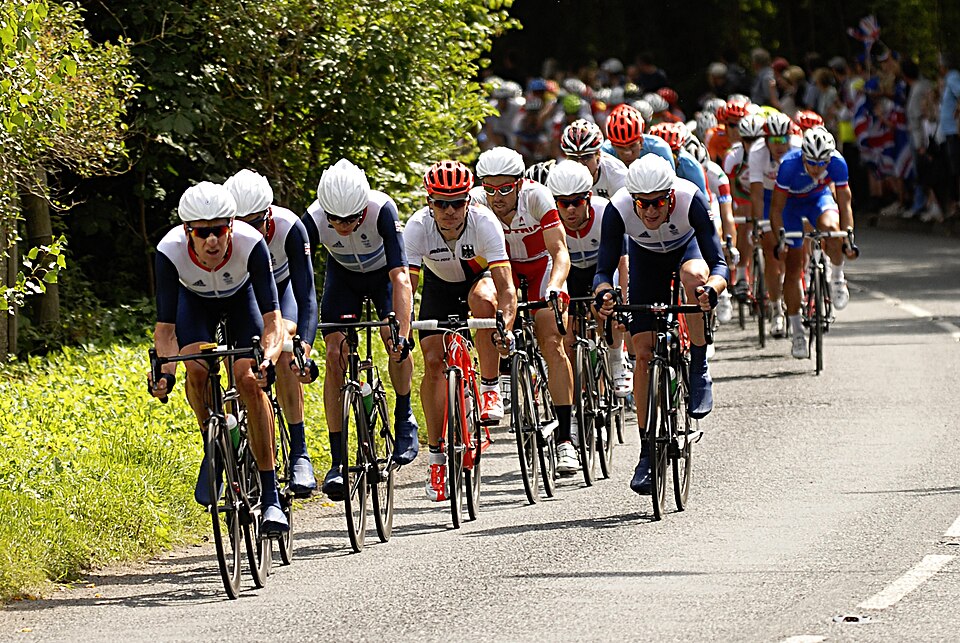
Understanding and controlling cadence and resistance is fundamental to becoming a confident cyclist. Beginner rides teach cyclists to manage their own metrics rather than simply following along, which builds essential skills for independent riding.
Understanding Cadence and Resistance Metrics
- Beginner rides teach cyclists to manage their own metrics—specifically cadence (speed, RPM) and resistance—to build confidence in control, rather than just speed
- Cadence refers to pedal revolutions per minute (RPM), with most beginner rides maintaining 60-80 RPM for steady endurance work
- Resistance controls the difficulty level, allowing riders to adjust intensity based on their fitness level and goals
Learning to monitor and adjust these metrics helps beginners understand how different combinations affect their workout intensity. For example, a higher cadence with lower resistance provides a different challenge than a lower cadence with higher resistance. This knowledge empowers riders to customize their workouts and progress at their own pace.
Flexible Training and Technique Focus
Being flexible with your training routine is crucial for long-term success. It’s important to adjust your training rather than pushing through discomfort or fatigue, which can lead to burnout or injury.
Prioritizing correct form prevents injuries and maximizes efficiency. This means maintaining proper posture, keeping a steady pedal stroke, and using the resistance knob appropriately. Beginners should focus on these fundamentals before attempting more advanced techniques or higher intensities.
Flexibility also means being willing to modify workouts based on how you feel. Some days you might have more energy and can push harder, while other days a lighter workout might be more appropriate. This adaptive approach helps maintain consistency over the long term.
Road cycling provides excellent opportunities to apply the skills learned on Peloton. The structured indoor workouts build the foundation needed for outdoor riding, including endurance, technique, and fitness. As you progress through beginner programs and develop confidence with cadence and resistance control, you’ll be well-prepared to transition to outdoor cycling when you’re ready.
Remember that consistency is key. A sustainable routine of 3-5 workouts per week, combined with proper technique and gradual progression, will help you build fitness safely and effectively. Whether you’re training for a specific goal or simply looking to improve your health, Peloton’s structured approach provides a clear path for beginner cyclists to follow.
Frequently Asked Questions About Cycling Training For Beginners With Peloton
What is a good weekly training schedule for beginner cyclists on Peloton?
Beginner cyclists should aim for 3-4 weekly rides ranging from 30 to 45 minutes. This structured progression helps build endurance safely while allowing adequate recovery between sessions. For additional guidance, consider Essential Cycling Tips for Beginners Starting Their Journey to enhance your training approach.
Which Peloton instructors are recommended for beginner rides?
Instructors like Emma Lovewell lead beginner rides lasting 20-30 minutes, perfect for new cyclists learning proper form and pacing. Her classes provide a supportive environment for mastering the basics.
What is a good low-impact ride option for beginners on Peloton?
The 45 Min Low Impact Ride with 10-Minute Climb led by Emma Lovewell is an excellent choice for beginners. This class focuses on building strength without excessive joint stress, ideal for those new to cycling.