The roar of the crowd, the final sprint to the line, and the moment a cyclist realizes they’ve just become their country’s national champion – this is the pinnacle of national achievement in professional cycling. National championships represent more than just another race victory; they symbolize the highest level of accomplishment within a country’s cycling community, earning winners the exclusive right to wear their national champion jersey for an entire year across all UCI-registered events.
National Championships in Cycling: Pride and Prestige
- National champion jerseys represent one year of exclusive rights to wear the national colors in UCI-registered events
- Winners earn prestige across multiple disciplines including road, track, mountain biking, and cyclocross
- The jersey comes with specific rules and responsibilities that extend beyond just racing
- National championships symbolize national pride and are recognized by the UCI and national governing bodies
What Makes National Champion Jerseys So Prestigious

National champion jerseys carry immense prestige in the cycling world, representing more than just a victory in a single race. These jerseys symbolize national pride and achievement, with winners earning exclusive rights to wear their national colors for an entire year across all UCI-registered activities in their specific discipline. The prestige stems from the jersey’s visibility, the honor of representing one’s country, and the recognition that comes from being the best cyclist in your nation.
The One-Year Exclusive Rights and Responsibilities
When a cyclist wins a national championship, they earn the right to wear the national champion jersey for one year in their specific discipline and category. This privilege comes with specific rules and responsibilities – the jersey must be worn in all relevant races and UCI-registered activities for the full 12 months. The exclusivity of this honor means only one cyclist per category can wear the national champion jersey at any given time, making it a highly coveted symbol of national achievement in cycling.
The responsibilities extend beyond simply wearing the jersey. National champions become ambassadors for their sport and their country, expected to conduct themselves professionally and represent their nation with pride. They must wear the jersey in all UCI-registered events within their discipline, from WorldTour races to smaller domestic competitions. This visibility creates a powerful connection between the champion and their national identity, as they become the face of cycling excellence for their country during their reign.
The one-year duration is significant because it provides sustained recognition rather than a one-time celebration. During this period, national champions receive special treatment at races, media attention, and the respect of their peers. They also gain automatic qualification for certain international events and may receive invitations to prestigious races they might not otherwise qualify for based on their UCI ranking alone. This combination of prestige, responsibility, and opportunity makes the national champion jersey one of the most coveted prizes in professional cycling.
Cultural Significance and National Pride
National championships represent more than athletic achievement – they embody national pride and cultural identity in cycling. These events are organized by national governing bodies like USA Cycling and recognized by the UCI (Union Cycliste Internationale), giving them official status in the international cycling community. The act of wearing national colors connects the champion to their country’s cycling heritage and creates a powerful visual representation of national achievement on the world stage.
The cultural significance extends to how national champions are celebrated within their home countries. In many cycling nations, national champions receive recognition from government officials, media coverage, and public celebrations. The jersey becomes a symbol of national excellence that transcends sport, connecting to broader themes of national identity and achievement. For smaller cycling nations, a national champion can become a national hero, inspiring the next generation of cyclists and elevating the sport’s profile domestically.
The visual impact of national champion jerseys also contributes to their prestige. The distinctive designs featuring national colors and symbols create immediate recognition among fans and fellow competitors. When a national champion rides in a WorldTour race wearing their national jersey, they carry the hopes and pride of their entire country with them. This creates a unique pressure and motivation that separates national championship victories from other race wins, as champions know they’re not just competing for themselves but representing their nation’s cycling excellence.
The Path to Earning a National Championship Title
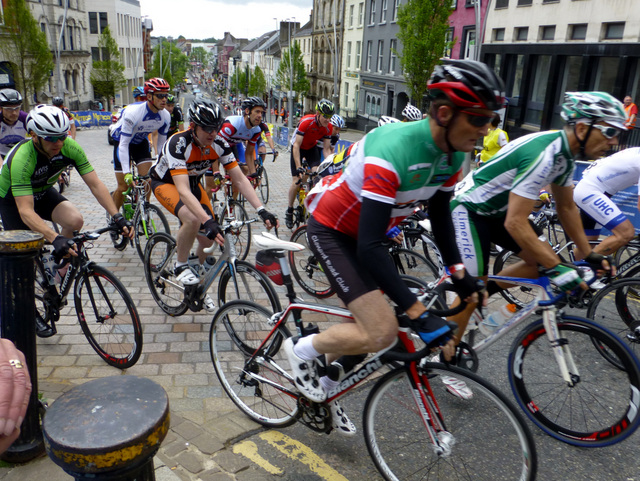
The journey to becoming a national champion requires dedication, skill, and the ability to perform at the highest level when it matters most. National cycling championships are prestigious events that bring together the best cyclists from across the country to compete for the honor of wearing the national champion jersey. The path to victory involves years of preparation, strategic racing, and the mental fortitude to handle the pressure of national championship competition.
Qualification Process and Competition Structure
National championships are organized by national governing bodies and held across various disciplines including road racing, track, mountain biking, cyclocross, and gravel. The competition structure includes multiple categories such as Elite Men, Elite Women, Under-23, Masters, and Junior divisions. Each category has its own champion, with winners earning the right to represent their country in international competitions.
The qualification process varies by country and discipline but typically involves meeting certain performance standards or earning points through national racing series. In many countries, the national championship is an open event where any licensed cyclist can compete, creating a true national competition that includes both professional and amateur riders. This open format adds to the prestige, as champions must defeat the entire national field rather than just a select group of professionals.
The 2025 Pro Road National Championships, for example, saw Quinn Simmons win the Elite Men’s category and Kristen Faulkner claim victory in the Elite Women’s category. These victories came after intense competition against the nation’s top cyclists, with winners earning not just the title but also automatic qualification for international events like the World Championships. The competition structure ensures that national champions are truly the best in their country, having proven themselves against the toughest possible field in their discipline.
National Championships Across Different Cycling Disciplines
Cycling encompasses multiple disciplines, each with its own national championship events and unique challenges. Understanding the breadth of national championships helps appreciate the diverse skills required to become a national champion across different cycling specialties. From the endurance demands of road racing to the explosive power needed for track cycling, each discipline creates its own path to national glory.
The main disciplines recognized by national governing bodies and the UCI include road racing, track cycling, mountain biking, cyclocross, gravel racing, and paracycling. Each discipline requires different technical skills and physical attributes, with national champions in each category earning the right to wear their discipline-specific national champion jersey. Road racing national championships often feature challenging courses that test both climbing ability and sprinting speed, while track cycling championships focus on specific events like the individual pursuit, points race, or keirin.
Mountain bike national championships test technical descending skills and off-road endurance, with courses featuring steep climbs, technical singletrack, and challenging obstacles. Cyclocross championships combine elements of road and mountain biking, with races held on mixed terrain courses that include mud, sand, and obstacles requiring riders to dismount and carry their bikes. Gravel racing has emerged as a popular discipline with its own national championships, attracting riders who excel at long-distance endurance on mixed-surface roads.
Paracycling national championships provide opportunities for athletes with disabilities to earn national titles across various classifications, from handcycling to tandem events for visually impaired riders. These championships follow similar structures to able-bodied events but are organized to ensure fair competition within disability classifications. Collegiate cycling also has its own national championship events, expanding the opportunities for athletes to earn national titles at different levels of competition and creating a pathway from university racing to professional careers.
For more information about professional cycling achievements, you can read about major cycling achievements that define a professional career or learn about the UCI world ranking system in women’s cycling. Understanding the women’s road cycling scene provides context for how national champions fit into the broader professional cycling landscape.
National championships represent the highest level of achievement within a country’s cycling community. The prestige of wearing a national champion jersey extends beyond the racing itself, creating lasting recognition and respect within the cycling world. These championships continue to be a cornerstone of professional cycling, celebrating national talent and providing a pathway to international competition.