Heart rate training can double your fitness gains as a beginner cyclist compared to unstructured riding, according to studies on aerobic base building. This structured approach helps you build endurance systematically while tracking your progress over time.
- The 80/20 rule (80% low-intensity, 20% high-intensity) is the foundation of effective training
- Zone 2 training (60-70% of max heart rate) builds aerobic capacity and improves fat metabolism
- Monitoring heart rate lets you track fitness progress as you ride faster at lower heart rates
How to Calculate Your Heart Rate Zones for Beginner Cycling Training
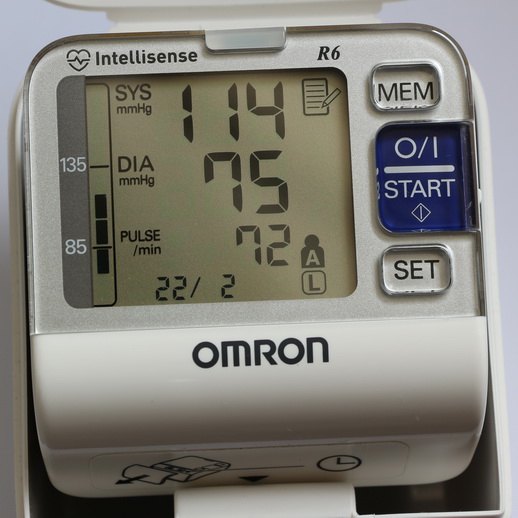
Understanding your heart rate zones is the first step to structured training. The most common method uses the 220-age formula, but field testing can provide more accurate results for serious cyclists.
The 220-Age Formula vs Field Testing: Which Method Works Best?
The 220-age formula provides a quick estimate: subtract your age from 220 to get your maximum heart rate. For example, a 30-year-old would have an estimated max heart rate of 190 bpm (220 – 30 = 190). This method is simple but can be off by 10-15 beats per minute for many people.
Field testing offers greater accuracy. A common test involves warming up thoroughly, then riding as hard as possible for 20 minutes. Your average heart rate during this effort, multiplied by 0.95, gives a more precise max heart rate. Professional cyclists like Emma Johansson use field testing to fine-tune their training zones.
For beginners, the 220-age formula works well enough to get started. You can always refine your zones later with field testing as your fitness improves.
Defining Your Heart Rate Zones: From Zone 2 to Zone 5
Heart rate training divides effort into five zones, each serving a specific training purpose:
Zone 1 (50-60% of max HR): Very light effort, active recovery. You can maintain this all day.
Zone 2 (60-70% of max HR): Aerobic base building. This is your sustainable, conversational pace where you develop endurance and fat-burning capacity.
Zone 3 (70-80% of max HR): Tempo training. You’re working harder but can still sustain the effort for extended periods.
Zone 4 (80-90% of max HR): Threshold training. This intense effort is sustainable for 20-60 minutes and builds high-end aerobic capacity.
Zone 5 (90-100% of max HR): Maximum effort. These are short, all-out intervals that build power and speed.
The 80/20 Rule for Beginner Cyclists: Building Your Aerobic Base
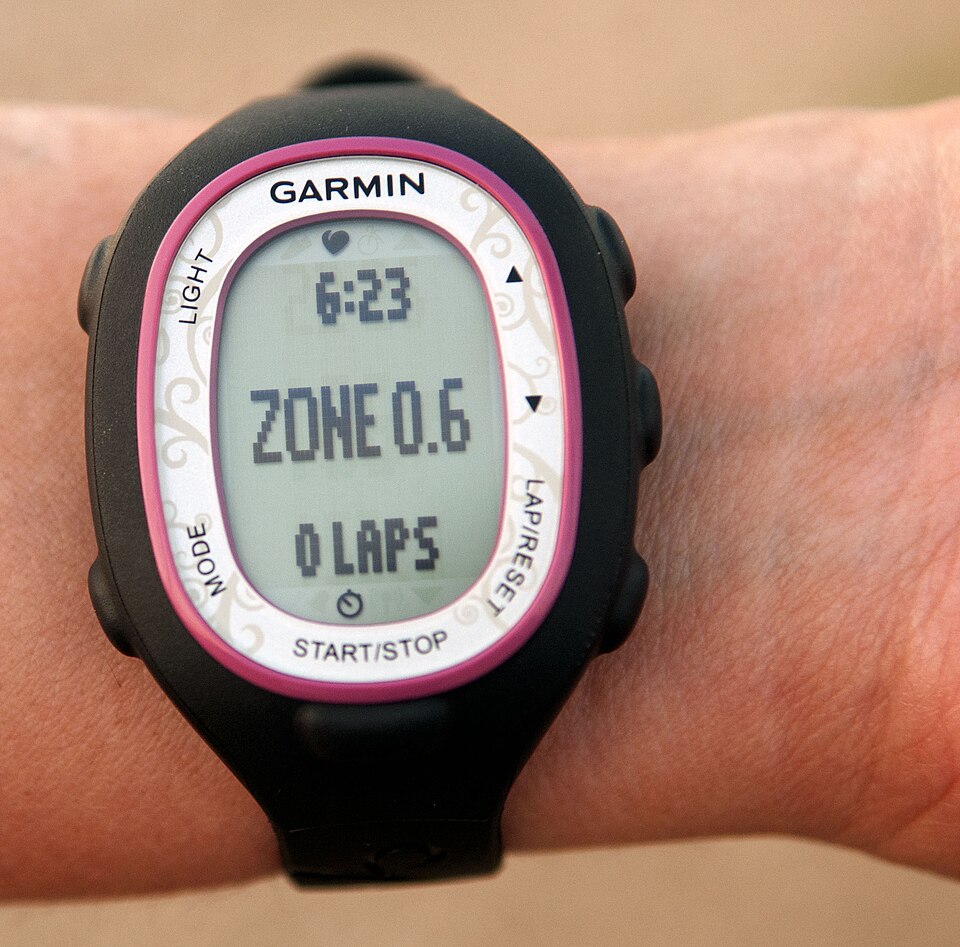
The 80/20 rule, a principle used by professionals like Emma Johansson, dictates that 80% of training should be low-intensity and 20% high-intensity. This approach builds a stronger foundation than training hard all the time.
Why 80% Low-Intensity Training Builds Better Foundations Than High-Intensity
Low-intensity training (Zone 2) is crucial for developing aerobic capacity, improving fat metabolism, and enhancing lactate clearance. When you train at this sustainable pace, your body adapts by:
- Increasing mitochondrial density, which improves your cells’ ability to produce energy
- Enhancing capillary networks in your muscles for better oxygen delivery
- Improving fat metabolism so you can burn fat more efficiently during long rides
- Developing better lactate clearance, allowing you to sustain efforts longer before fatigue sets in
Zone 2 training also reduces injury risk and prevents burnout. Since you’re not pushing to your limits, recovery is faster, and you can train more consistently over time.
Sample Weekly Training Schedule: 80/20 in Action
Here’s how a beginner might structure a week following the 80/20 rule:
Monday: 45-minute Zone 2 ride (60-70% max HR)
Tuesday: Rest or active recovery (Zone 1)
Wednesday: 60-minute Zone 2 ride with 3 x 1-minute high-cadence drills
Thursday: Rest or active recovery
Friday: 30-minute Zone 2 ride
Saturday: 90-minute Zone 2 ride (your longest session)
Sunday: 30-minute high-intensity intervals: 5 x 3 minutes at Zone 4/5 with 3-minute recovery between efforts
This schedule gives you five Zone 2 sessions and one high-intensity workout, closely following the 80/20 principle.
Zone 2 Training: The Foundation of Beginner Cycling Success
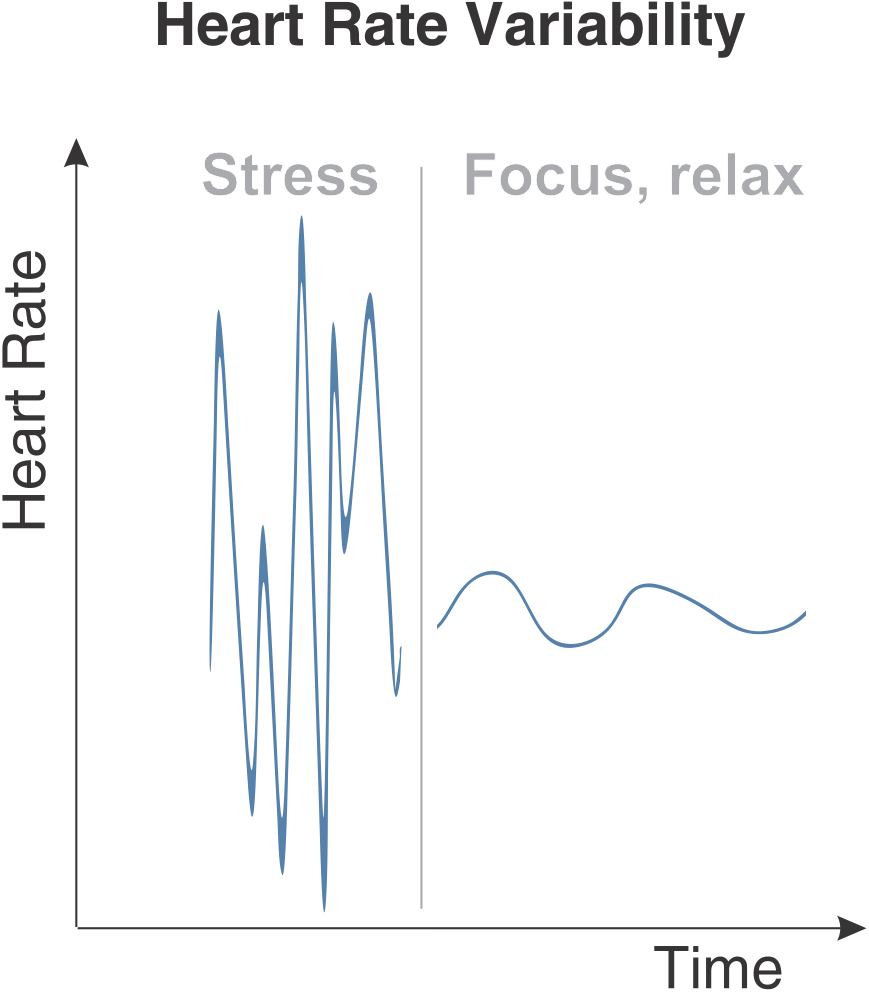
Zone 2 training is where most beginners make their biggest mistake – they ride too hard. Understanding what Zone 2 really feels like helps you stay in the right zone.
What Zone 2 Really Feels Like: The Conversational Pace Test
Zone 2 should feel sustainable and comfortable. You can maintain a conversation easily, though you might need to take occasional breaths between sentences. Your breathing is deeper than at rest but not labored. You could ride at this pace for hours without exhaustion.
A good test: if you can talk but not sing, you’re likely in Zone 2. If you’re breathing too hard to speak in full sentences, you’ve drifted into Zone 3 or higher. Many beginners find Zone 2 feels “too easy” – that’s exactly right. The goal is to build aerobic capacity, not to get tired.
Tracking Your Progress: How Heart Rate Reveals Fitness Gains
One of the biggest benefits of heart rate training is seeing your progress objectively. As your fitness improves, you’ll notice:
Riding faster at the same heart rate: After 4-6 weeks of consistent training, you’ll cover more distance in the same time while staying in Zone 2.
Climbing hills easier: Hills that once pushed you into Zone 4 might now only take you to Zone 3 as your aerobic capacity improves.
Longer sustainable efforts: You’ll be able to maintain Zone 2 for increasingly longer periods without fatigue.
Lower resting heart rate: Your heart becomes more efficient, pumping more blood per beat, so it doesn’t need to beat as often at rest.
Most beginners quit because they train too hard, too often. The secret is that Zone 2 training feels too easy at first, but that’s exactly why it works. Start with a 20-minute Zone 2 ride this week and track your heart rate. You’ll be amazed how much easier hills feel in just 4 weeks.
Ready to put this into practice? Check out our beginner cycling training plan for a complete 8-week program that builds on these heart rate principles. And learn more about road cycling techniques from Olympic champion Emma Johansson’s training approach.