Endurance cycling has undergone a significant transformation in recent years, with tire pressure recommendations shifting dramatically from the high-pressure racing setups of the past to more comfortable ranges that prioritize long-distance comfort over raw speed.
- Standard road tires: 80-100 PSI for optimal comfort on 100+ km rides
- Wider 28mm tires: 70-90 PSI provides better grip and less fatigue
- High-pressure racing (100+ PSI) is outdated for endurance comfort
What PSI Should Endurance Riders Use for 100+ km Comfort?
The 80-100 PSI Sweet Spot for Standard Road Tires
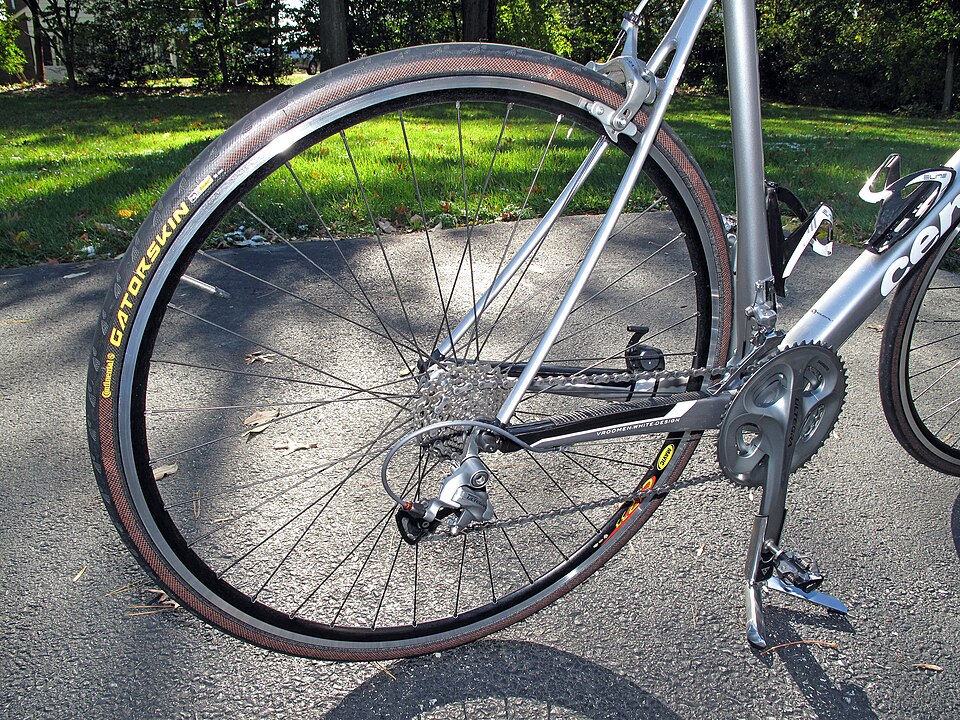
For endurance rides covering 100+ kilometers, the optimal tire pressure has settled into the 80-100 PSI range for standard road bike tires. This represents a significant departure from the high-pressure racing setups that dominated professional cycling for decades.
The shift toward lower pressures stems from a fundamental understanding of how tire pressure affects rider comfort and fatigue over long distances. Higher pressures, while offering lower rolling resistance on perfectly smooth surfaces, create a harsh ride that transmits every road imperfection directly to the rider. Over 100+ km, this constant vibration and impact forces the body to work harder to maintain stability and absorb shocks.
Modern endurance riders have discovered that the 80-100 PSI range provides an ideal balance between rolling efficiency and comfort. At these pressures, tires maintain their shape under load while offering enough compliance to absorb road vibrations. This translates to less fatigue in the hands, arms, shoulders, and lower back – areas that typically suffer most during long rides.
The evolution away from 100+ PSI racing pressures reflects a broader understanding that endurance cycling success depends as much on rider comfort and energy conservation as it does on pure speed. As Outside Magazine’s endurance riding principles suggest, the goal shifts from maximizing speed to maximizing sustainable comfort over the entire ride duration.
Why Wider Tires Need Lower Pressure: The 70-90 PSI Range
The trend toward wider tires has revolutionized endurance cycling comfort, with 28mm tires becoming increasingly popular for long-distance rides. These wider tires allow for even lower pressures than standard road tires, with the optimal range falling between 70-90 PSI — road cycling.
The physics behind this pressure reduction is straightforward: wider tires have a larger contact patch with the road, distributing the rider’s weight over more surface area. This means less pressure is needed to support the same load, allowing the tire to deform more easily over road irregularities.
The benefits of this lower-pressure, wider-tire approach are substantial. First, the increased tire volume provides better shock absorption, smoothing out rough roads and reducing the impact forces transmitted to the rider. Second, the larger contact patch improves grip, particularly in corners and on wet surfaces, enhancing both safety and confidence.
Many endurance cyclists find that 28mm tires at 70-90 PSI provide the best combination of comfort, grip, and rolling efficiency for their long rides. The slightly higher rolling resistance compared to narrower, higher-pressure tires is more than offset by the reduced fatigue and improved handling characteristics.
How Emma Johansson’s Career Reflects the Pressure Evolution
From Racing to Endurance: The Pressure Philosophy Shift
Emma Johansson, the Swedish former professional road cyclist nicknamed “Silver Emma” for her two Olympic silver medals (Beijing 2008, Rio 2016), exemplifies the evolution in cycling philosophy from pure racing to endurance comfort. Her career transition from professional racing to post-career riding mirrors the broader shift in tire pressure recommendations.
During her professional racing career, Johansson competed in long, hard stage races like the Giro Donne and the Women’s Tour, where high-pressure setups (100+ PSI) were the norm. These pressures maximized speed on smooth race surfaces but came at the cost of rider comfort and fatigue management.
In her post-career riding, Johansson has often spoken about the transition from pure racing to finding the “best version” of herself, emphasizing the importance of comfort and longevity in riding rather than just raw speed. This philosophy aligns perfectly with modern endurance pressure principles, where the goal is sustainable comfort over entire ride durations rather than peak performance for short periods.
As a veteran of professional, long-distance stage racing, Johansson’s focus on longevity and enjoying the ride in her post-career life likely aligns with using modern equipment and lower pressures for maximum comfort on endurance rides. Her experience demonstrates how professional cyclists have adapted their approach as their goals shifted from competition to enjoyment and longevity.
100+ PSI Racing vs Modern 80-100 PSI Endurance
The contrast between racing-era pressures and modern endurance pressures illustrates a fundamental shift in cycling priorities. During the high-pressure racing era, cyclists commonly used pressures exceeding 100 PSI, with some riders pushing toward 120 PSI or higher for maximum speed on smooth surfaces.
These high pressures served a specific purpose: minimizing rolling resistance on the smooth, predictable surfaces of race courses. The theory was that harder tires deformed less, creating less energy loss and therefore faster speeds. However, this approach had significant drawbacks for real-world riding conditions.
Modern endurance pressure recommendations of 80-100 PSI reflect a more nuanced understanding of tire performance. Lower pressures provide better traction on varied surfaces, improved comfort over long distances, and enhanced puncture resistance. The slight increase in rolling resistance is more than compensated by the reduction in rider fatigue and the improved ability to handle imperfect road surfaces.
This evolution represents a broader recognition that endurance cycling success depends on sustainable performance rather than peak speed. The shift from 100+ PSI to 80-100 PSI demonstrates how cycling technology and understanding have advanced to prioritize rider comfort and energy conservation over pure speed metrics.
Testing Your Perfect Pressure: A Practical Guide
Finding Your Comfort Zone: The 5 PSI Test Method
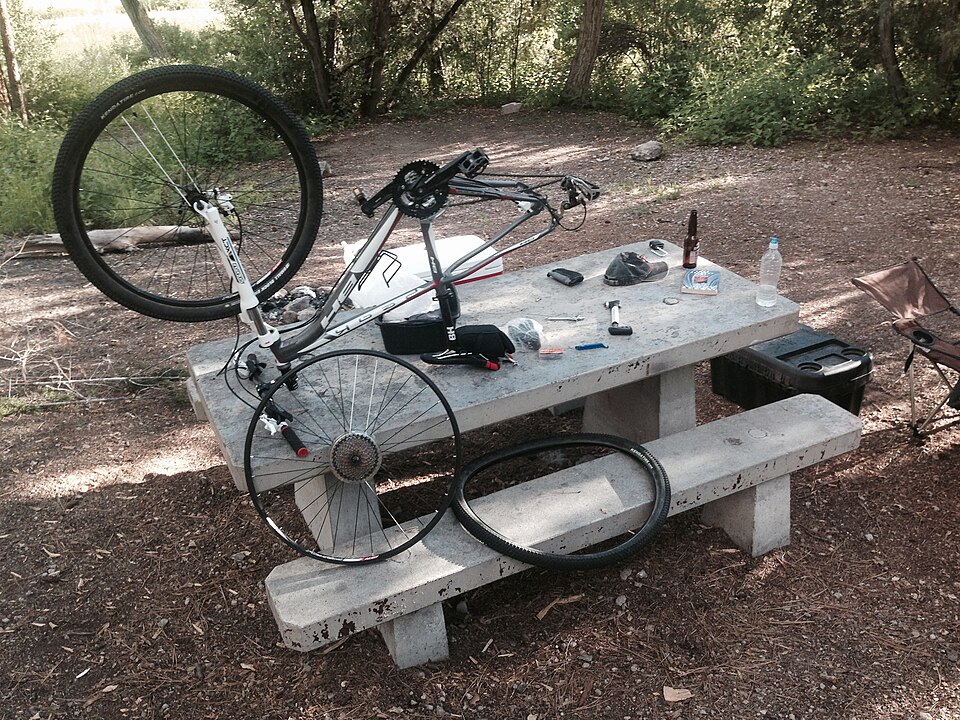
Finding your optimal tire pressure for endurance rides doesn’t require complex equipment or extensive testing. The 5 PSI test method provides a simple, systematic approach to discovering what works best for your specific riding style, weight, and local road conditions.
Start with a baseline pressure of 85 PSI for standard road tires or 75 PSI for 28mm tires. This represents a good middle ground that will work well for most riders. Then, test different pressures on actual endurance rides, adjusting in 5 PSI increments up or down.
For each test ride, pay attention to three key factors: comfort level, handling confidence, and overall fatigue at the finish. You might find that slightly lower pressures provide better comfort but feel less responsive in corners, or that slightly higher pressures feel faster but cause more hand and arm fatigue.
The testing process should span several 100+ km rides to account for different road conditions, weather, and your varying energy levels. Keep notes on which pressure combinations provided the best overall experience, considering both the ride quality and how you felt at the end of each ride.
When to Adjust: Weather, Terrain, and Load Factors
Tire pressure isn’t a set-it-and-forget-it parameter. Several factors can warrant pressure adjustments from your baseline settings, particularly for endurance rides where conditions can vary significantly over 100+ km.
Hot weather typically requires slightly lower pressures, as air expands with heat. A good rule of thumb is to reduce pressure by 2-3 PSI when riding in temperatures above 85°F (29°C). Conversely, cold weather may require slightly higher pressures to compensate for air contraction.
Rough road conditions or gravel sections often benefit from lower pressures to improve comfort and traction. If your endurance route includes significant sections of poor pavement or light gravel, consider dropping your pressure by 5 PSI from your normal setting.
Loaded bikes for bikepacking or touring require higher pressures to support the additional weight. Add 5-10 PSI to your normal pressure when carrying heavy loads, ensuring the tires maintain their shape under the increased weight.
The key is to view tire pressure as a tuning parameter that you can adjust based on conditions rather than a fixed specification. Small adjustments can significantly impact your comfort and performance over long distances.
The most counter-intuitive finding in modern endurance cycling is that lower pressure actually improves speed on endurance rides by reducing fatigue. While higher pressures may offer marginally better rolling resistance on perfectly smooth surfaces, the comfort and energy conservation benefits of lower pressures typically result in faster overall ride times when fatigue is factored in.
Test 85 PSI on your next 100+ km ride and note your comfort level at the finish. You might be surprised to find that the reduced fatigue allows you to maintain a more consistent pace throughout the entire ride, ultimately resulting in better performance than you would achieve with higher pressures that leave you exhausted at the finish line.