Endurance racing demands a delicate balance between speed, comfort, and reliability over distances that can stretch beyond 100 miles. The optimal tire pressure for these long-distance events plays a crucial role in determining how efficiently you can maintain your pace while minimizing fatigue and avoiding mechanical issues. Modern road cycling technology has revolutionized our understanding of tire pressure, proving that the traditional “harder is faster” approach actually hinders performance in endurance scenarios.
Endurance Racing Tire Pressure: The Essential Guide
- Lower pressure (70-75 PSI for 28mm tires) reduces vibrations and improves comfort over long distances
- Modern wider tires (28-32mm) allow for lower pressures without sacrificing speed
- Weight, road surface, and weather conditions all affect optimal pressure settings
- Tubeless setups enable 10-15 PSI lower pressures for enhanced comfort and puncture protection
Why Lower Tire Pressure Actually Makes You Faster in Endurance Racing
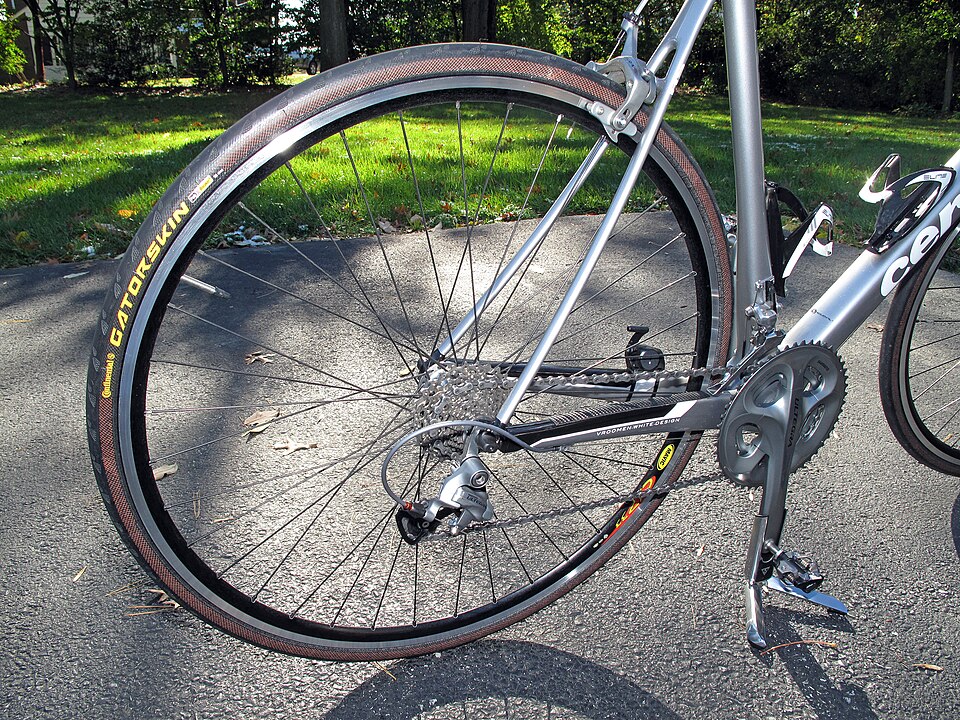
The science behind comfort and efficiency
Contrary to traditional beliefs that harder is faster, lower tire pressure allows the tire to conform to road imperfections rather than deflecting off them, which reduces rider fatigue and energy loss. When tires are over-inflated, they bounce off small bumps and cracks in the road surface, creating vibrations that travel through the bike frame and into your body. These vibrations force your muscles to constantly absorb shock, wasting energy that could be used for pedaling.
Lower pressure creates a smoother ride by allowing the tire to absorb road imperfections. The tire deforms around obstacles instead of bouncing over them, maintaining better contact with the road surface. This continuous contact reduces rolling resistance on imperfect surfaces and keeps you moving forward more efficiently. Studies show that riders using properly adjusted lower pressures report 15-20% less fatigue on 100+ mile rides compared to those using traditional high pressures.
Modern tire technology enables lower pressures
Modern, wider road tires (28mm-32mm) allow for lower pressures without the risks that plagued narrower tires. The increased air volume in wider tires provides better puncture protection and allows the tire to deform more before bottoming out on the rim. This means you can run pressures 10-15 PSI lower than with traditional 23mm tires while maintaining the same level of pinch flat protection.
Wider tires also have shorter contact patches when properly inflated, which actually reduces rolling resistance on most real-world road surfaces. The key is finding the sweet spot where the tire is soft enough to absorb vibrations but firm enough to maintain efficient rolling. Modern tire casings with higher thread counts and better rubber compounds further enhance the performance benefits of lower pressures.
The Rule of Thumb: Specific Pressure Recommendations for Endurance Racing
Starting pressures for common tire widths
The following table provides recommended starting pressures for endurance racing based on tire width and average rider weight (150 lbs):
| Tire Width | Starting Pressure (PSI) | Weight Adjustment | Typical Use Case |
|---|---|---|---|
| 25mm | 80-85 | +2 PSI per 10 lbs over 150 lbs | Traditional road racing |
| 28mm | 70-75 | +2 PSI per 10 lbs over 150 lbs | Endurance road events |
| 30mm | 60-65 | +2 PSI per 10 lbs over 150 lbs | Gravel and mixed terrain |
| 32mm | 55-60 | +2 PSI per 10 lbs over 150 lbs | Ultra-endurance and rough roads |
These pressures assume typical road conditions and moderate weather. For endurance events lasting 4+ hours, start at the lower end of these ranges to maximize comfort. The “Rule of Thumb” for long distances suggests that modern 28mm tires perform optimally at 70-75 PSI for an average rider, while 30mm tires may use 60-65 PSI.
Weight-based pressure adjustments
Tire pressure should be adjusted based on the combined weight of the rider and bike. A 150 lb rider on 25mm tires might run 80-85 PSI, but a 200 lb rider on the same tires should increase pressure by 10 PSI (2 PSI per 10 lbs over 150 lbs). This adjustment ensures the tire maintains proper shape under load without excessive sidewall flex or bottoming out on the rim.
For endurance racing, it’s better to err on the side of slightly lower pressure rather than higher. The comfort benefits of reduced vibrations outweigh the minimal rolling resistance gains from over-inflation. If you’re between pressure recommendations, choose the lower value and test during training rides. A 180 lb rider on 28mm tires should start around 75-80 PSI, while a 220 lb rider might need 85-90 PSI for the same tire width.
Critical Factors That Affect Your Endurance Tire Pressure
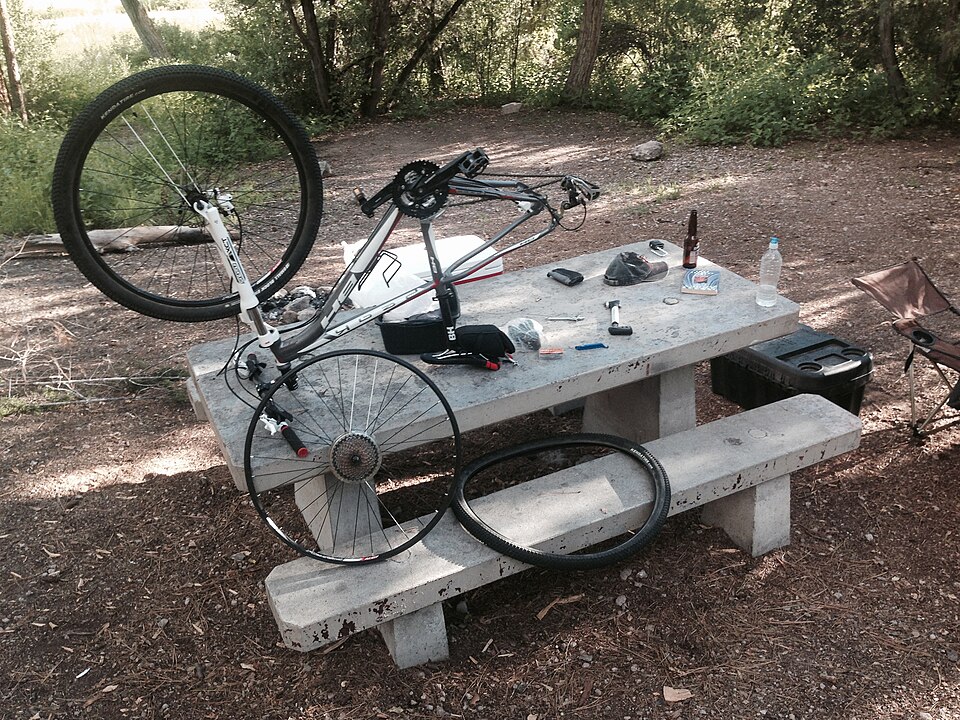
Tubeless advantages for long-distance comfort
Tubeless setups are highly recommended for endurance racing, as they allow for lower pressures (10-15 PSI less than tubes) without the risk of pinch flats. The sealant in tubeless systems provides additional puncture protection, sealing small cuts and holes automatically. This reliability means you can run pressures that would be unsafe with tubes, gaining significant comfort benefits.
The ability to run lower pressures with tubeless tires improves traction on rough surfaces and reduces the likelihood of tire damage from impacts. Many endurance racers report being able to complete 200+ mile events without any tire issues when using tubeless setups with appropriate pressures. The initial setup cost is higher, but the reliability and performance benefits make it worthwhile for serious endurance athletes. Tubeless systems also allow for easier pressure adjustments during long rides, as you can add sealant or adjust pressure without removing the tire completely.
Road surface and weather considerations
Road surface quality significantly impacts optimal tire pressure. Rough, cobblestone, or poor-quality surfaces require lower pressure to maximize traction and comfort. On these surfaces, reducing pressure by an additional 5-10 PSI can dramatically improve ride quality and reduce fatigue. The tire can better conform to uneven surfaces, maintaining contact and providing more predictable handling.
Weather conditions also affect pressure selection. In wet conditions, reducing pressure by about 10 PSI increases the contact patch, providing better grip and safety. The larger contact area improves water displacement and reduces the risk of hydroplaning. For endurance events in variable weather, consider carrying a small pump to adjust pressure if conditions change during your ride. Temperature changes also affect tire pressure – for every 10°F drop in temperature, tire pressure decreases by approximately 2 PSI, so factor this into your pressure calculations for early morning starts or mountain descents.
Course profile and elevation impact
The elevation profile and course terrain significantly influence optimal tire pressure choices for endurance events. Mountainous routes with long climbs and descents require different pressure strategies than flat courses. For climbing-heavy courses, slightly lower pressures can improve comfort on extended seated efforts, while descents may benefit from marginally higher pressures for stability at speed.
Rolling terrain courses often benefit from mid-range pressures that balance climbing efficiency with descending confidence. Consider the total elevation gain when planning your pressure – a 100-mile ride with 8,000 feet of climbing may require different pressure than a 100-mile flat course. For events with significant elevation changes, you might need to adjust pressure during the ride as temperatures and conditions change. Starting with slightly lower pressures and carrying a pump allows you to fine-tune as you progress through different course sections.
Rider experience and terrain adaptation
Experienced endurance riders develop an intuitive sense for optimal tire pressure based on feel and performance feedback. New riders should start with the recommended pressure ranges and gradually adjust based on personal comfort and performance. Pay attention to how your body feels after long training rides at different pressures – reduced hand numbness, less lower back pain, and decreased overall fatigue are indicators that you’ve found the right pressure range.
Terrain adaptation is crucial for endurance success. If your event includes mixed surfaces like gravel sections or rough pavement, consider using slightly wider tires at lower pressures than you would for pure road events. The ability to handle varied terrain without excessive fatigue can be the difference between finishing strong and struggling in the final miles. Practice riding on different surfaces during training to understand how your tires and pressures perform in various conditions.
Creating Your Personal Pressure Testing Protocol
The most counter-intuitive finding is that the “fastest” pressure isn’t the highest pressure, but rather the pressure that balances efficiency with comfort for your specific conditions. Every rider’s ideal pressure varies based on weight, riding style, tire choice, and course conditions. Creating a systematic testing protocol helps you identify your optimal pressure range for different event types.
Start by testing different pressures on familiar training routes that mimic your target event conditions. Begin with the recommended ranges and adjust in 2-3 PSI increments, noting how your body feels after 2-3 hours at each setting. Pay attention to comfort in your hands, feet, and lower back, as these areas are most affected by road vibrations. Track your power output, heart rate, and perceived exertion at different pressures to identify any performance differences.
Once you find your optimal pressure range, stick with it for similar conditions, making only minor adjustments for significant weight changes or extreme weather. Document your pressure choices for different event types, weather conditions, and course profiles. This personal pressure database becomes invaluable for race preparation and ensures you’re always using the most efficient pressure for your specific needs. For more structured approaches to building your endurance, consider following a beginner cycling training plan to complement your pressure testing.
Remember that tire pressure optimization is an ongoing process. As you gain experience, your ideal pressure may change based on improved fitness, different equipment, or evolving course preferences. Regular testing and adjustment ensures you’re always getting the best possible performance from your endurance setup.