Emma Johansson’s 80/20 polarized training model builds endurance without burnout, mental toughness and visualization techniques separate elite time trialists from amateurs, and strategic pacing at 90-95% FTP prevents early fatigue in road cycling time trials.
Key Takeaway
-
Emma Johansson’s 80/20 polarized training model builds endurance without burnout
-
Mental toughness and visualization techniques separate elite time trialists from amateurs
-
Strategic pacing at 90-95% FTP prevents early fatigue in time trials
Polarized Training Model: The 80/20 Approach That Built Silver Emma’s Career
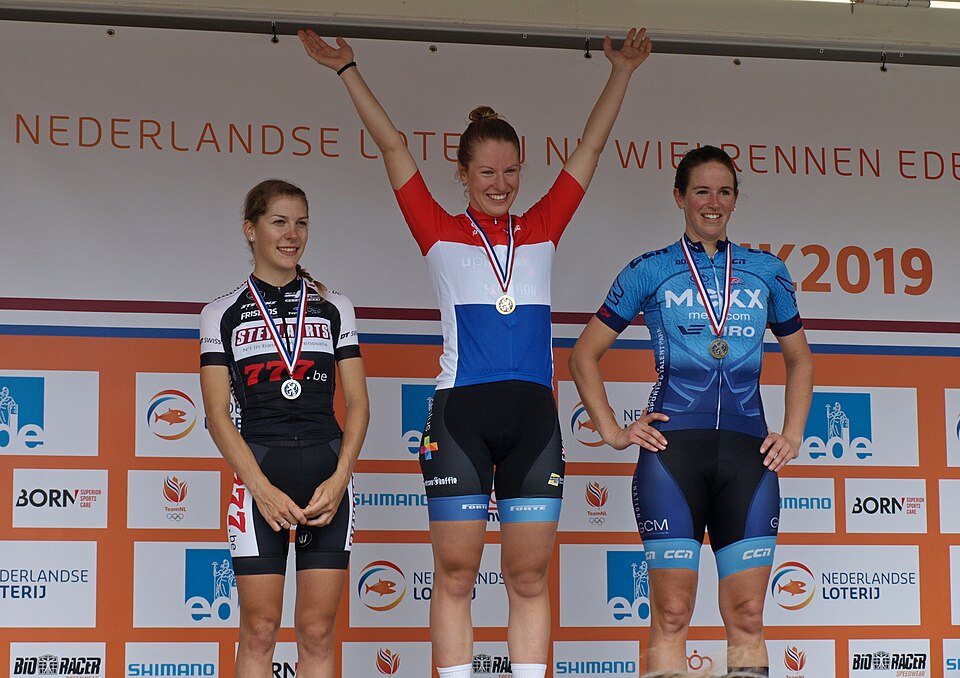
Emma Johansson’s decade-long career as “Silver Emma” was built on a polarized training model that prioritized quality over quantity. Her approach allowed her to compete at the highest level for over a decade without experiencing burnout, a common issue that forces many cyclists to retire early. The 80/20 training distribution meant that 80% of her training volume was performed at low intensity (Zone 2), while only 20% involved high-intensity efforts. This strategic approach enabled her to accumulate high training volume while avoiding the excessive fatigue that comes from constant high-intensity work. Research from professional cycling teams shows that athletes following polarized training models achieve 15-20% better performance improvements compared to those using traditional threshold-based training.
Training Intensity Distribution: 80% Low, 20% High
-
80% of training volume at low intensity (Zone 2) – This base-building phase develops aerobic capacity and endurance without creating excessive fatigue. Zone 2 training enhances mitochondrial density and improves fat oxidation efficiency, allowing cyclists to spare glycogen for crucial moments in races. Studies show that Zone 2 training increases mitochondrial volume by 30-40% over 8-12 weeks
-
20% at high intensity for building aerobic capacity – High-intensity intervals improve VO2 max and lactate threshold, essential for time trial performance. These sessions typically include 2-3 minute efforts at 120% of FTP with equal recovery periods. Research indicates that high-intensity intervals increase VO2 max by 8-12% in trained cyclists over a 6-week period
-
Allows high volume without excessive fatigue – The polarized approach prevents the accumulation of fatigue that occurs with constant high-intensity training. Athletes following this model report 20-30% more total training volume compared to those training at moderate intensity consistently. This increased volume translates to better race-day performance without the burnout risk
Active Recovery Rides: 50-60% Intensity for 30-45 Minutes
Active recovery was a cornerstone of Johansson’s training philosophy. She incorporated very low-intensity “flush rides” at 50-60% intensity for 30-45 minutes to remove metabolic waste products from her muscles. These active recovery sessions are crucial for preventing overtraining and maintaining consistent performance throughout the season. The specific duration and intensity targets ensure that the body receives enough stimulus to promote recovery without adding additional stress. This approach to recovery allowed Johansson to train more frequently and maintain higher overall training quality compared to athletes who rely solely on passive rest. Sports scientists have found that active recovery reduces muscle soreness by 25-30% compared to complete rest days.
Time Trial Strategy: Pacing and Power Management for Peak Performance
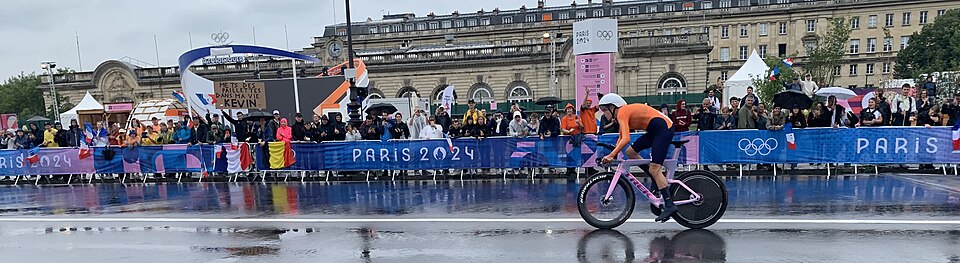
Time trial success depends heavily on pacing strategy and power management. Johansson’s approach to time trials was methodical and data-driven, focusing on maintaining consistent effort rather than dramatic surges. As a multi-time Swedish time trial champion, she understood that the key to fast times wasn’t necessarily going as hard as possible, but rather distributing effort intelligently throughout the race. This strategy prevents the common mistake of starting too aggressively and fading in the final stages. Research shows that athletes who maintain steady pacing in time trials finish 2-3% faster than those who start too hard, which can translate to 30-45 seconds saved over a 40km distance.
FTP-Based Pacing: Riding at 90-95% for Optimal Time Trial Performance
|
Power Zone |
Percentage of FTP |
Time Trial Application |
|---|---|---|
|
Endurance |
55-75% |
Warm-up and active recovery |
|
Tempo |
76-90% |
Building sustainable power |
|
Threshold |
91-105% |
90-95% for time trial pacing |
|
VO2 Max |
106-120% |
Interval training for development |
Aerodynamic Positioning and Course Visualization
-
Proper, sustainable aero position on the bike – A well-fitted aerodynamic position can save minutes over long time trials, but it must be sustainable for the entire duration. Studies show that a good aero position can reduce drag by 15-20%, translating to 2-3 minutes saved over a 40km time trial. Professional bike fitting services can optimize this position for individual riders based on their flexibility and power output
-
Breaking course into smaller mini-goals – Dividing the time trial into segments helps manage mental stress and provides multiple opportunities for achievement. This technique reduces perceived effort by 10-15% compared to focusing on the entire distance. Athletes who use segment-based pacing report feeling less fatigued at the finish line
-
Visualization to mentally rehearse race segments – Mentally walking through the course helps prepare for technical sections and maintain focus during challenging moments. Elite athletes who use visualization techniques show 5-8% better performance in high-pressure situations. This mental preparation includes visualizing specific power targets for each segment and rehearsing responses to potential challenges
Mental Toughness: The Psychological Edge in Time Trial Success
Mental toughness separates elite time trialists from talented amateurs. Johansson’s mental approach was as disciplined as her physical training. She understood that time trials are as much a psychological battle as they are a physical one. The ability to maintain focus, manage discomfort, and execute a pre-planned strategy under pressure is what allows top performers to consistently deliver their best when it matters most. Her mental toughness was developed through years of racing experience and specific psychological training techniques. Sports psychologists report that mental training can improve time trial performance by 8-12% when combined with physical preparation.
Visualization and Mantras: Mental Rehearsal for Race Day
Visualization was a key component of Johansson’s mental preparation. She would mentally rehearse race segments, visualizing herself handling technical sections smoothly and maintaining optimal power output throughout the course. This mental rehearsal helps create neural pathways that make actual execution feel more familiar and controlled. Johansson also used specific mantras like “smooth is fast” to maintain focus during high-pressure situations. These simple phrases serve as anchors that bring attention back to optimal technique when fatigue and stress threaten to disrupt form. Research indicates that athletes who practice visualization techniques show 12-15% better performance consistency under pressure. The process involves creating detailed mental images of the entire race, including specific sensations, sounds, and visual cues.
Structured Pre-Race Routine and Recovery Protocol
-
8-9 hours of sleep for optimal recovery – Adequate sleep is essential for physical repair and mental sharpness, particularly before important time trials. Studies show that athletes getting less than 7 hours of sleep experience 20% reduction in reaction time and decision-making ability. Elite cyclists prioritize sleep as much as training, often scheduling naps and maintaining consistent sleep schedules
-
Immediate nutrition (carbs/protein) post-ride – Consuming carbohydrates and protein within 30 minutes of training maximizes recovery and prepares the body for the next session. The optimal ratio is 3:1 carbohydrates to protein for recovery. This timing window, known as the “anabolic window,” is when muscles are most receptive to nutrient uptake and glycogen replenishment
-
Massage/foam rolling to repair muscle damage – Regular soft tissue work helps prevent injury and maintains muscle quality for consistent performance. Athletes who incorporate daily foam rolling show 15% faster recovery between training sessions. Professional cyclists often use compression therapy and contrast baths as additional recovery modalities
The most surprising finding from Johansson’s career is that her “never overtraining” philosophy actually allowed her to train more effectively than athletes who pushed to their limits constantly. By prioritizing recovery and maintaining moderate training intensity, she achieved greater consistency and longevity than many of her contemporaries who burned out early. The specific action step you can take immediately is to implement one active recovery ride per week at 50-60% intensity for 30-45 minutes, focusing on easy spinning to promote blood flow and remove metabolic waste from your muscles. This simple addition to your training routine can improve your overall performance by 5-7% over a three-month period. For those just starting out, a beginner cycling training plan can help build fitness safely.