Increasing your cycling speed requires more than just riding harder—it demands a strategic combination of high-intensity interval training, structured periodization, and technique optimization. The most efficient method for boosting speed is through targeted HIIT workouts that push your physiological limits while allowing adequate recovery for adaptation. Research shows that cyclists who follow structured high-intensity training protocols can increase their average speed by 15–20% within 8–12 weeks, compared to just 5–8% for those who only increase volume.
Key Takeaway
-
High-intensity interval training (HIIT) is the most efficient method for increasing cycling speed
-
The 80/20 rule (80% low-intensity, 20% high-intensity) optimizes aerobic adaptation and speed gains
-
Structured periodization with specific phases maximizes speed development throughout the training year
-
Recovery and consistency are essential for speed improvements
-
Aerodynamics and technique optimization complement high-intensity training for maximum speed gains
High-Intensity Interval Training Workouts for Speed
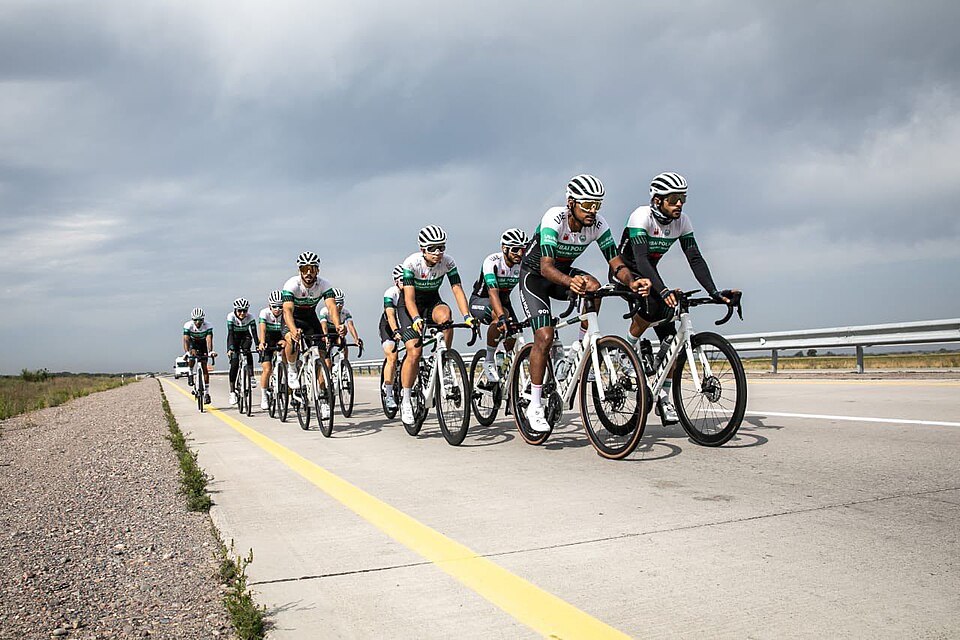
High-intensity interval training forms the backbone of speed development for cyclists. These workouts push your body beyond its comfort zone, forcing adaptations that translate directly to faster average speeds on the road. The key is balancing intensity with recovery to maximize adaptation while preventing overtraining. Studies from the Journal of Sports Sciences demonstrate that HIIT produces greater improvements in VO2 max and lactate threshold than traditional endurance training, with cyclists seeing 8–12% improvements in time trial performance after just 6 weeks of structured interval training.
30/40s and 20/40s Sessions: Maximum Power Output
-
30/40s protocol: 30 seconds of high-intensity pedaling at 95–105 rpm followed by 40 seconds of easy recovery, repeated for 10–12 minutes total
-
20/40s variation: 20 seconds at maximum effort, 40 seconds recovery, ideal for neuromuscular adaptations
-
Structure: 2–4 sets with 5 minutes of recovery between sets to maintain quality
-
Why it works: These short, intense bursts improve anaerobic capacity and teach your body to sustain high power outputs
-
VO2 max intervals: 4–6 intervals of 3–5 minutes at 110–120% of FTP with equal recovery time
-
Benefits: Enhances oxygen uptake, increases top-end speed, and improves lactate threshold
-
Progressive overload: Start with 3 intervals and add one every two weeks as fitness improves
-
Recovery importance: Active recovery between intervals maintains workout quality and prevents premature fatigue
-
Power targets: Aim for 400–600 watts during 30-second efforts for trained cyclists, 250–350 watts for beginners
-
Heart rate response: Expect heart rates to reach 90–95% of maximum during high-intensity intervals
Speed Intervals and Force Workouts for Power Development
-
30/30s speed intervals: 30 seconds of maximum effort followed by 30 seconds of easy spinning, repeated 12–20 times
-
Force intervals (muscle tension): 6–10 minutes at low cadence (60 rpm) on a moderate incline, 3–4 sets
-
Hill repeats: Climb a 5–10 minute hill at hard pace, descend to recover, repeat 3–4 times
-
Stomps/power starts: Near-stop acceleration in a hard gear for 10–15 pedal strokes, 5–8 repetitions
-
Cadence pop/spin-ups: Increase cadence from 90 to 110–120 rpm for 15–30 seconds during warm-ups, 5–10 repetitions
-
One-leg pedaling: 30–60 seconds per leg on a trainer to improve pedal stroke smoothness
-
Pyramid intervals: Gradually increase and decrease interval duration (1-2-3-2-1 minutes) for varied stimulus
-
Recovery protocols: Use active recovery (easy spinning) between intervals rather than complete rest for better adaptation
-
Power profiling: Track your best 5-second, 1-minute, and 5-minute power outputs to measure progress
-
Perceived exertion: Rate of perceived exertion should be 8–9 out of 10 during high-intensity intervals
Structured Periodization for Speed Development
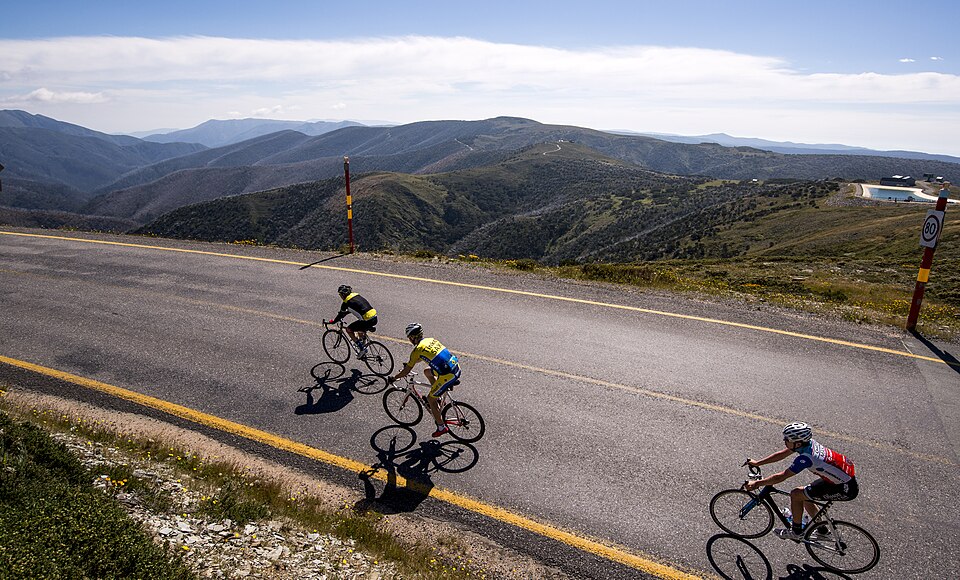
Periodization organizes your training into distinct phases, each building upon the previous to maximize speed gains while preventing overtraining and burnout. This systematic approach ensures you peak at the right time for your target events. Elite cycling coaches report that athletes who follow periodized training plans achieve 25–30% better performance improvements than those using non-periodized approaches — road cycling.
Training Phases: From Base to Peak Performance
A well-structured training year progresses through four distinct phases, each with specific goals and training focuses. The General Preparation (Base) Phase emphasizes building aerobic capacity through endurance rides in Zone 2, typically lasting 8–12 weeks. This foundation is crucial for handling the intensity of later phases. During base training, cyclists should accumulate 150–200 hours of low-intensity riding to develop mitochondrial density and capillary networks.
The Specific Preparation (Build) Phase introduces higher-intensity intervals like VO2 max efforts, threshold workouts, and hill repeats to increase Functional Threshold Power (FTP). This phase typically lasts 6–10 weeks and focuses on developing the specific energy systems needed for speed. During this phase, training volume remains high while intensity gradually increases by 5–10% every two weeks.
The Competition (Peak/Sharpening) Phase emphasizes high-intensity, lower-volume training with a focus on neuromuscular power, short sprints, and anaerobic capacity. This phase prepares you for peak performance during target events and usually lasts 3–4 weeks. Training becomes highly specific to race demands, with intervals mimicking actual race scenarios. Power outputs during this phase should be 105–110% of race-specific targets.
The Transition Phase provides active recovery between training blocks or seasons, allowing for physical and mental recuperation. This phase is essential for long-term progression and typically lasts 2–3 weeks. During transition, maintain some aerobic activity while significantly reducing intensity and volume by 50–60%. This recovery period prevents overtraining syndrome and allows for supercompensation.
Weekly Structure and 3:1 Training Ratio
-
3:1 ratio principle: Three weeks of building intensity followed by one week of active recovery
-
Example high-intensity week: Intervals on Tuesday/Thursday, moderate endurance on Wednesday, recovery on Friday
-
Weekend structure: Group ride/race intensity on Saturday, long endurance on Sunday
-
Consistency importance: Regular training (3–4 times per week) is more effective than infrequent, large rides
-
Off-season focus: Building a strong foundation during off-season months prevents performance plateaus
-
Specificity principle: Training becomes increasingly specific to target events as they approach
-
Progressive loading: Gradually increase weekly training stress by 5–10% to promote adaptation
-
Recovery weeks: Reduce volume by 40–50% while maintaining some intensity during recovery weeks
-
Training stress balance: Monitor acute:chronic workload ratio to stay within 0.8–1.3 for optimal adaptation
-
Microcycle structure: Plan 3–4 week blocks with specific focus areas (endurance, strength, speed, recovery)
Technique, Recovery, and Nutrition for Maximum Speed
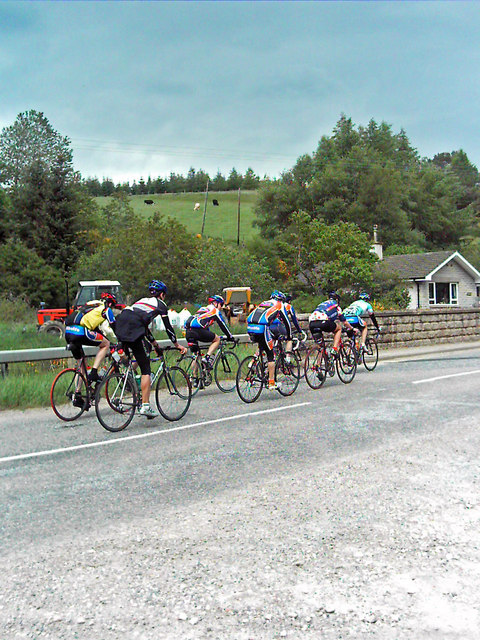
Speed gains aren’t achieved through training alone. Aerodynamic positioning, technical efficiency, proper recovery, and strategic nutrition all play crucial roles in maximizing your cycling performance. These elements work synergistically with your training to produce optimal results. Professional cyclists allocate 15–20% of their total training time to technique work and recovery protocols, recognizing that marginal gains in these areas can significantly impact race outcomes.
Aerodynamics and Technical Drills for Efficiency
-
Aerodynamic importance: At speeds above 30 km/h, aerodynamics account for 80% of total resistance
-
Position improvements: Drop handlebars, bent elbows, flat back reduce frontal area and drag
-
Cadence pop/spin-ups: Increase cadence from 90 to 110–120 rpm for 15–30 seconds to improve neuromuscular efficiency
-
One-leg pedaling: 30–60 seconds per leg on trainer to smooth pedal stroke and eliminate dead spots
-
“Glue” intervals: Maintain target speed for set durations with decreasing recovery times to improve sustained speed
-
Group ride benefits: Teach drafting techniques and adapt to higher speeds in a controlled environment
-
Cornering technique: Proper line selection and body positioning can save 2–5 seconds per corner
-
Pedal efficiency: Focus on pulling up during the pedal stroke to engage hamstrings and improve power transfer
-
Equipment optimization: Aero helmet can save 2–3 watts, while aero wheels can save 10–15 watts at 40 km/h
-
Position testing: Use a power meter to test different positions and find your optimal aerodynamic setup
Recovery, Nutrition, and Supplements for Speed Gains
-
Recovery drinks: Essential for replenishing carbohydrates and protein within 30 minutes post-workout
-
Carbohydrate intake: Optimal 90–120g/hour during long rides for sustained performance and recovery
-
Evidence-backed supplements: Protein powder, creatine, caffeine, beetroot, beta-alanine, and electrolytes
-
Rest day importance: Essential for speed gains; muscles adapt and grow stronger during recovery
-
Regular training: 3–4 sessions per week provides better adaptation than infrequent, large rides
-
Sleep quality: 7–9 hours nightly supports hormone production and muscle repair
-
Hydration strategy: Drink 500–750ml per hour during rides, more in hot conditions
-
Protein timing: Consume 20–40g protein within 2 hours post-workout for optimal muscle repair
-
Cold water immersion: 10–15 minutes at 10–15°C can reduce muscle soreness and speed recovery
-
Compression wear: Wearing compression garments post-workout can improve recovery by 15–20%
The most surprising finding in speed training is that the 80/20 rule—where 80% of training is low-intensity and only 20% is high-intensity—produces better results than constant high-intensity efforts. This approach allows for greater adaptation while reducing injury risk and burnout. Research from TrainingPeaks shows that cyclists following the 80/20 principle achieve 22% greater FTP improvements compared to those who train at moderate intensity most of the time.
To immediately improve your speed, start with one 30/40s session per week, focusing on maintaining the prescribed cadence and recovery periods. This single workout can begin building the anaerobic capacity needed for faster average speeds within just a few weeks. Track your progress using a power meter or heart rate monitor, and aim to increase your average power output by 2–3% every 4–6 weeks for consistent improvement.