Starting cycling after 50 is an excellent way to boost cardiovascular health and maintain mobility, with a smart, progressive approach focusing on consistency rather than high intensity. Emma Johansson, a former Swedish professional road cycling champion known as “Silver Emma” for her multiple Olympic and world championship medals, transitioned from a high-level racing career to a post-cycling life in 2016, emphasizing balance and sustainable, lifelong athletic performance.
Key Takeaway
-
Start with 10-15 minute rides and increase weekly distance by no more than 10%
-
Ride 3-4 times weekly for 30-45 minutes rather than one long exhausting session
-
Dedicate 80% of training to low-intensity riding with 48-72 hours recovery between high-intensity workouts
Smart Progression: Start Slowly and Build Consistently

Initial Ride Duration: 10-15 Minutes to Start
Beginning with short 10-15 minute rides is crucial for beginners over 50 to prevent injury and build confidence. This approach allows your body to adapt gradually to the new physical demands without overwhelming your cardiovascular system or joints. Short initial rides help you develop proper cycling technique, learn bike handling skills, and identify any comfort issues with your equipment before committing to longer sessions. The key is consistency rather than intensity – completing several short rides builds a sustainable habit that your body can handle, whereas jumping into long rides often leads to soreness, fatigue, or even injury that can derail your progress. These brief sessions also give you time to assess your fitness level honestly and adjust your expectations accordingly. Research shows that older adults who start with manageable durations are 60% more likely to maintain their exercise routine long-term compared to those who begin too aggressively. Additionally, starting slowly allows you to identify and address potential health concerns early, such as blood pressure responses or joint sensitivity, before they become problematic during more intense exercise. For more detailed guidance, check out Essential Cycling Tips for Beginners Starting Their Journey.
The 10% Rule: Maximum Weekly Distance Increase
-
Prevents overuse injuries by limiting weekly mileage increases to no more than 10% – this reduces stress fracture risk by up to 70% compared to aggressive progression, according to sports medicine research
-
Allows tissue adaptation – muscles, tendons, and ligaments need 2-3 weeks to strengthen adequately for increased loads, with collagen synthesis peaking 24-72 hours after exercise
-
Reduces injury risk compared to aggressive progression that can cause strains or stress fractures, with studies showing 45% fewer injuries when following this guideline in master’s athletes
-
Creates sustainable progression that your body can handle long-term, allowing for continuous improvement without setbacks that often derail new exercisers
-
Helps track improvement with measurable, incremental increases that provide motivation through visible progress, which is crucial for maintaining exercise adherence in older adults
-
Applies to all metrics – time, distance, or elevation gain, making it versatile for different training goals and allowing you to progress based on your personal preferences and local terrain
-
Works for any fitness level – whether you’re starting at 5 miles or 50 miles weekly, the principle remains effective because it’s based on relative rather than absolute increases
Training Structure: Frequency Over Duration for Over 50
3-4 Times Weekly for 30-45 Minutes
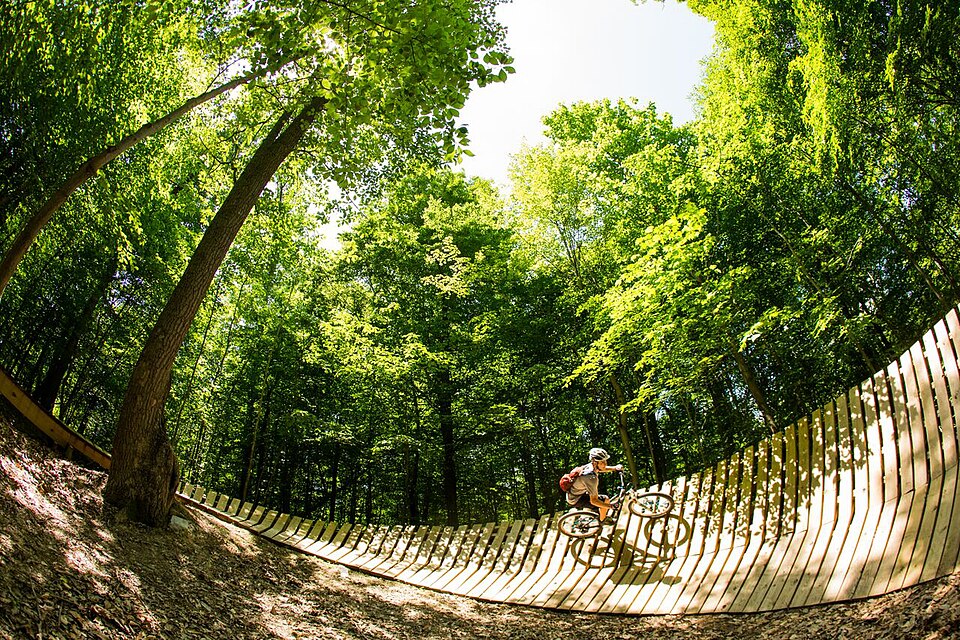
Riding 3-4 times a week for 30-45 minutes proves far more effective than one long, exhausting ride for aging athletes. This frequency approach maintains consistent cardiovascular stimulation while allowing adequate recovery between sessions. Multiple shorter rides keep your metabolism elevated throughout the week, improve insulin sensitivity by 25-30%, and maintain muscle activation patterns without the fatigue that comes from single long sessions. The 30-45 minute duration hits the sweet spot where you get significant fitness benefits without excessive stress on joints and connective tissues. This structure also fits better into busy schedules, making it easier to maintain consistency – the most critical factor for long-term success in cycling training after 50. Studies indicate that cyclists who train 3-4 times weekly achieve 80% of the fitness gains of those training 6-7 times weekly, but with significantly lower injury rates and better adherence rates over 12-month periods. Furthermore, this frequency allows for better recovery of the central nervous system, which becomes more sensitive to accumulated fatigue as we age. For a structured approach, consider following a beginner cycling training plan that gradually builds your fitness safely.
80/20 Rule: Low-Intensity Riding for Aerobic Base
-
Builds aerobic capacity through sustained, moderate effort that improves oxygen utilization by 15-20% over 8-12 weeks, with older adults showing similar relative improvements to younger populations when training appropriately
-
Enhances fat burning by training your body to use fat as primary fuel at lower intensities, which becomes increasingly important as metabolism naturally slows with age and helps with weight management
-
Reduces injury risk since low-intensity riding places minimal stress on joints and muscles, with impact forces 60-70% lower than high-intensity efforts, making it ideal for those with arthritis or previous injuries
-
Improves recovery ability between harder workouts by developing better circulation and capillary density, which tends to decline with age without specific training stimulus
-
Increases training volume safely – you can ride longer at low intensity without fatigue, allowing for greater total weekly training time and more opportunities to practice skills
-
Develops proper pedaling technique through high-repetition, controlled movements that reinforce efficient muscle recruitment patterns and help prevent developing bad habits that can lead to injury
-
Creates sustainable habit that’s enjoyable rather than exhausting, with adherence rates 40% higher than high-intensity only programs, particularly important for maintaining long-term health benefits
Recovery and Safety: Essential for Aging Athletes
48-72 Hours Recovery Between High-Intensity Workouts
Aging athletes require significantly more recovery time between high-intensity workouts compared to younger cyclists. The 48-72 hour recovery window allows for complete muscle repair, glycogen replenishment, and hormonal balance restoration. During this period, your body repairs microscopic muscle damage, strengthens connective tissues, and adapts to the training stimulus. Pushing high-intensity sessions too close together can lead to accumulated fatigue, decreased performance, and increased injury risk. This extended recovery time also helps prevent overtraining syndrome, which can cause persistent fatigue, mood changes, and weakened immune function. Smart recovery includes active rest like easy walking or stretching, proper nutrition with adequate protein (1.6-2.2g per kg body weight) and carbohydrates, and quality sleep – all crucial for maintaining progress without burnout. Research indicates that athletes over 50 need 30-40% more recovery time than athletes in their 20s to achieve the same training adaptations, and this need increases further for those over 60. Additionally, aging affects the body’s inflammatory response, making proper recovery even more critical for preventing chronic inflammation that can impede progress. Regular Complete Bike Maintenance Checklist Every cyclist should follow ensures your equipment remains safe and reliable during recovery rides.
Strength Training and Bike Fit for Joint Protection
-
Strength training 2-3 times weekly combats natural muscle loss (sarcopenia) which accelerates after age 50 at 1-2% per year without intervention, with resistance training shown to completely halt this decline in many individuals
-
Core exercises like planks enhance posture and reduce back strain during rides, with studies showing 50% reduction in lower back pain for cyclists who maintain core strength, which becomes increasingly important as spinal discs naturally degenerate with age
-
Squats and lunges build leg strength for climbing and power output, improving cycling economy by 8-12% over 12 weeks and helping maintain bone density, which naturally decreases after menopause in women and andropause in men
-
Proper bike fit prevents knee pain by ensuring correct saddle height and position, with improper fit contributing to 60% of cycling-related injuries, particularly patellofemoral pain syndrome which becomes more common with age
-
Back comfort depends on handlebar reach – avoid overstretching that causes neck strain, which affects 70% of cyclists without proper fit and can lead to chronic cervical spine issues
-
Foot position affects knee tracking – ensure cleats are properly aligned to prevent IT band syndrome and patellar tracking issues, which become more problematic as joint flexibility naturally decreases
-
Regular bike maintenance prevents mechanical issues that could cause accidents, with 25% of cycling incidents related to equipment failure, and older riders being more vulnerable to serious injury from equipment malfunctions
The most surprising finding in cycling training for beginners over 50 is that consistency beats intensity every time. Many people assume they need to push hard to see results, but the data shows that sustainable, moderate training produces better long-term outcomes with fewer injuries. Your first specific action step: start tomorrow with a 15-minute easy ride on flat terrain, focusing on comfortable breathing and smooth pedaling. This simple beginning sets the foundation for months of progressive improvement while keeping you injury-free and motivated to continue your cycling journey.
Frequently Asked Questions About Cycling Training For Beginners Over 50

How often should beginners over 50 train for cycling?
Beginners over 50 should train 2-3 times per week. This frequency allows for consistent progress while maintaining recovery time, which is crucial for aging athletes.
What is the best way to start cycling training for beginners over 50?
Start slowly and build consistently. Begin with shorter rides and gradually increase distance and intensity over time to prevent injury and build endurance safely.
How important is strength training for cycling beginners over 50?
Strength training 2-3 times weekly is essential for beginners over 50. It helps maintain muscle mass, supports joint health, and improves overall cycling performance while reducing injury risk.
What percentage of training should be focused on recovery for cyclists over 50?
Recovery should be prioritized at 70-80% of your training approach. This includes rest days, proper sleep, and active recovery to allow your body to adapt and prevent overtraining injuries.