For long road rides, proper hydration prevents a decline in performance and cognitive function. Professional cyclists like Emma Johansson, nicknamed “Silver Emma” for her consistent podium finishes, know that hydration management is critical for endurance at the highest levels, including the Olympics.
Key Takeaway
-
Velocio Hydration Pack ($199) is the best overall for road/gravel cycling with its 1.5L bladder and minimal design
-
Drink 17–34 ounces of water per hour during long rides to prevent performance decline
-
Osprey Syncro 12 ($157–$185) offers 2.5L reservoir and superior ventilation for all-day rides
-
CamelBak Chase Race 4 ($75–$126) provides high accessibility with breathable mesh harness
-
Pre-hydrate with 16–20 ounces of fluid 2 hours before starting your ride
Best Cycling Hydration Packs for Long Road Rides
Top 4 Hydration Packs Compared: Features and Prices
|
Model |
Price |
Capacity |
Key Features |
|---|---|---|---|
|
Velocio Hydration Pack |
$199 |
1.5L bladder |
Minimal design, expandable cargo pockets, next-to-body fit |
|
CamelBak Chase Race 4 |
$75–$126 |
1.5L bladder |
Breathable mesh harness, high accessibility above jersey pockets |
|
Osprey Syncro 12 |
$157–$185 |
2.5L reservoir |
AirSpeed back panel, superior ventilation for hot days |
|
EVOC Hydro Pro 6 |
$128–$150 |
1.5L bladder |
Slim profile, quick side access, comfortable without bouncing |
For road cyclists tackling long distances, the Velocio Hydration Pack stands out as the best overall choice. Its 1.5L bladder and minimal design make it feel like it “disappears” during rides, eliminating weight shifts that can throw off balance. The expandable cargo pockets provide essential storage for tools, snacks, and extra layers without adding bulk. This pack excels on road and gravel surfaces where aerodynamics and weight distribution matter most.
The CamelBak Chase Race 4 excels in accessibility, sitting high above jersey pockets for easy reach during intense efforts. Its breathable mesh harness prevents overheating, making it ideal for riders who need frequent hydration access without breaking their rhythm. The vest-style design distributes weight evenly across your chest and back, reducing pressure points during long hours in the saddle. This makes it particularly valuable for competitive cyclists who can’t afford to slow down for bottle exchanges.
For all-day adventures, the Osprey Syncro 12’s 2.5L reservoir and AirSpeed ventilation system keep you cool and hydrated through the hottest conditions. The AirSpeed back panel creates a gap between your back and the pack, allowing air to circulate and prevent the sweat buildup that can lead to discomfort and chafing. This pack also includes additional storage compartments for tools, nutrition, and emergency gear, making it perfect for self-supported rides where you need to carry more than just water.
Lightweight riders or those prioritizing minimal weight should consider the EVOC Hydro Pro 6. Its slim profile and quick side access make it perfect for riders who want hydration without the bulk of traditional backpacks. The pack sits close to your body without bouncing, even on rough road surfaces, and the side access allows you to refill or adjust the bladder without removing the entire pack. This convenience factor can be crucial during long rides when stopping frequently becomes tiring — road cycling.
Each pack serves different needs: Velocio for overall performance and aerodynamics, CamelBak for accessibility and competitive riding, Osprey for long rides and hot weather, and EVOC for lightweight comfort. Consider your typical ride duration, weather conditions, and storage needs when making your choice. The right hydration pack can transform your long ride experience from a hydration struggle to a seamless, enjoyable journey.
Why Choose a Hydration Pack Over Water Bottles
-
Continuous Access: Allows sipping without reaching for bottles, encouraging more frequent hydration and preventing dehydration during intense efforts. This is particularly valuable on technical descents or in heavy traffic where taking your hands off the bars is dangerous
-
Higher Capacity: Holds 1.5L–3L of fluid compared to standard bottles, crucial for long rides where convenience stores are scarce. A typical bottle cage holds 500-750ml, meaning you’d need to carry 3-4 bottles to match a 2L hydration pack’s capacity
-
Better Balance: Keeps weight centered on your back rather than on the bike frame, improving handling and stability on technical roads. Frame-mounted bottles can affect your bike’s handling characteristics, especially when they’re nearly empty and create uneven weight distribution
Hydration Strategies for Endurance Cycling Performance
How Much to Drink: The 17–34 Ounce Per Hour Rule
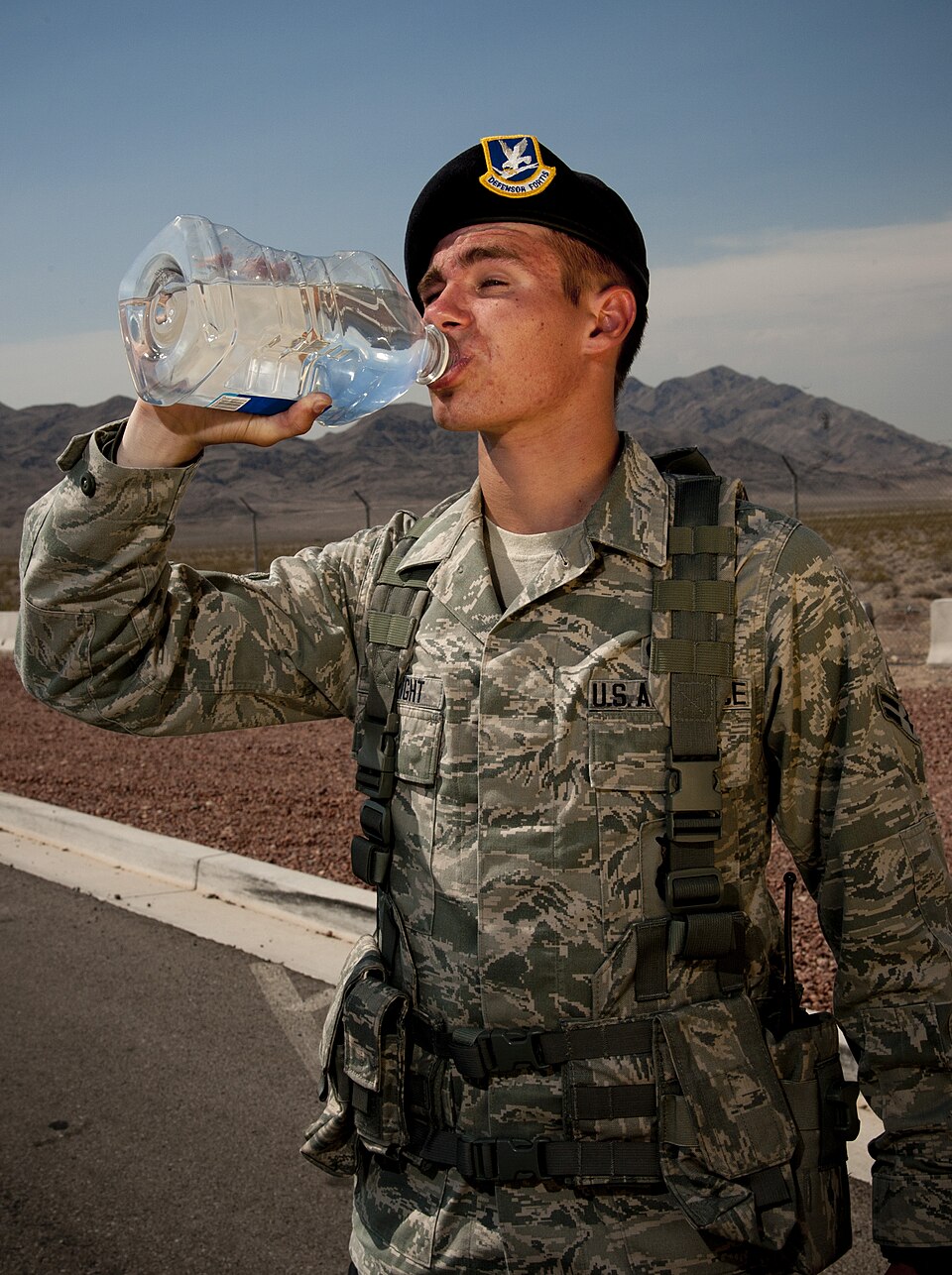
During long road rides, aim to drink 17–34 ounces of water per hour, roughly equivalent to one standard bottle. This range accounts for individual sweat rates, temperature, and intensity. The key is consistency: sip small amounts every 15-20 minutes rather than consuming large quantities at once. This approach maintains optimal hydration levels without overwhelming your digestive system or causing uncomfortable sloshing.
Timing matters for absorption. Start drinking within the first 10-15 minutes of your ride to establish a hydration rhythm. If you wait until you feel thirsty, you’re already behind on hydration. For most riders, this translates to about 2-3 gulps every 15 minutes. Adjust upward in hot conditions or during high-intensity efforts when sweat rates increase significantly. Professional cyclists often use sweat rate testing to determine their exact hydration needs under different conditions.
Monitor your performance as a hydration indicator. If you notice a sudden drop in energy, difficulty concentrating, or slower reaction times, these may signal dehydration. Professional cyclists like Emma Johansson track their hydration meticulously because even slight dehydration can cost seconds in competitive situations. For recreational riders, proper hydration prevents the fatigue and cognitive decline that can turn an enjoyable ride into a struggle. Consider weighing yourself before and after rides to understand your personal sweat rate and refine your hydration strategy.
Electrolyte Replacement and Urine Color Monitoring
-
Electrolyte Guidelines: For rides over one hour, switch from plain water to electrolyte drinks to replace sodium lost through sweat. Look for salty streaks on clothing as an indicator of heavy electrolyte loss. Aim for drinks containing 200-300mg of sodium per 16oz to match typical sweat sodium concentrations
-
Urine Color Indicators: Dark yellow urine signals dehydration and the need for immediate fluid intake. Clear urine may indicate overhydration, which can dilute essential electrolytes and lead to hyponatremia. Pale yellow, similar to lemonade, represents optimal hydration
-
Performance Connection: Proper electrolyte balance prevents muscle cramps and maintains nerve function, both critical for safe cycling control. Electrolytes also help your body absorb and retain fluids more effectively than plain water alone
Pre-Ride Hydration and Long-Term Performance
Pre-Hydration: Starting Your Ride Properly Hydrated
Begin drinking 16–20 ounces of fluid approximately two hours before your ride starts. This pre-hydration window allows your body to absorb and distribute fluids throughout your system, ensuring you start your ride in an optimal state. Drinking too close to departure time can lead to frequent bathroom stops or that uncomfortable “sloshing” feeling during early miles.
Proper pre-hydration prevents early fatigue and helps maintain cognitive function during long rides. When you’re well-hydrated from the start, your body can focus energy on pedaling rather than catching up on fluid deficits. This is especially important for morning rides when you’ve gone 8-10 hours without fluids overnight. Consider your pre-ride meal timing as well—eating too close to departure can affect hydration absorption and comfort.
Combine pre-hydration with a balanced meal containing some sodium to help your body retain fluids. Avoid excessive caffeine, which can have a mild diuretic effect. Professional cyclists like Emma Johansson follow strict pre-ride hydration protocols because starting a long ride even slightly dehydrated compounds throughout the day, leading to significant performance degradation by the final hours. A good rule of thumb: if you’re not urinating clear or pale yellow before your ride, you’re likely starting dehydrated.
Hydration and Olympic-Level Performance
Hydration management is critical for performance and endurance at the highest levels of cycling. Emma Johansson competed at the Olympics and other elite competitions where proper hydration prevented decline in performance and cognitive function. At this level, even a 2% reduction in body weight from fluid loss can measurably impact power output and decision-making ability. Olympic cyclists often work with sports scientists to develop personalized hydration protocols based on sweat testing and environmental conditions.
Professional cyclists use sophisticated hydration strategies, including weighing themselves before and after rides to calculate fluid loss, then replacing 150% of that weight in the recovery period. They also monitor urine color, sweat rates, and electrolyte balance throughout multi-day events. While recreational riders don’t need this level of precision, understanding that hydration directly impacts your ability to think clearly, react quickly, and maintain power output can motivate better hydration habits. The difference between proper and improper hydration can be the difference between finishing strong or bonking on a long ride.
The connection between hydration and performance extends beyond physical fatigue. Dehydration affects your ability to judge distances, react to road hazards, and make tactical decisions during group rides. For road cyclists, where safety depends on quick reactions and clear thinking, proper hydration is as important as having the right equipment or training plan. Consider carrying an extra 0.5-1L of water on unfamiliar routes or in extreme heat—the weight penalty is minimal compared to the risk of dehydration ruining your ride.
The most surprising finding is that professional cyclists like Emma Johansson treat hydration with the same precision as their training plans, weighing themselves before and after rides to calculate exact fluid replacement needs. This level of detail shows how critical hydration is to performance at every level. Start implementing better hydration habits today by pre-hydrating with 16 ounces of water two hours before your next long ride, then maintaining the 17-34 ounce per hour guideline throughout your journey. Your body and your performance will thank you.