Winter riding in cold climates requires specific adjustments to tire pressure to ensure safety, comfort, and traction. Based on general winter cycling protocols, tire pressure should generally be lowered by 5-10 PSI (or roughly 0.3 bar) compared to summer settings. This adjustment increases the tire’s contact patch with the ground, providing better grip on wet, icy, or snow-covered surfaces.
Key Takeaway
-
Lower tire pressure by 5-10 PSI (0.3 bar) for winter riding to improve traction on cold, icy surfaces
-
Tire pressure drops 1-2 PSI for every 10°F (5.5°C) decrease in temperature
-
Use wider tires (28mm-30mm) in winter for better comfort and grip at lower pressures
-
Check tire pressure more frequently in cold weather as it naturally decreases
-
Avoid overinflation in winter as cold surfaces require more contact area for traction
How to Adjust Tire Pressure for Winter Riding
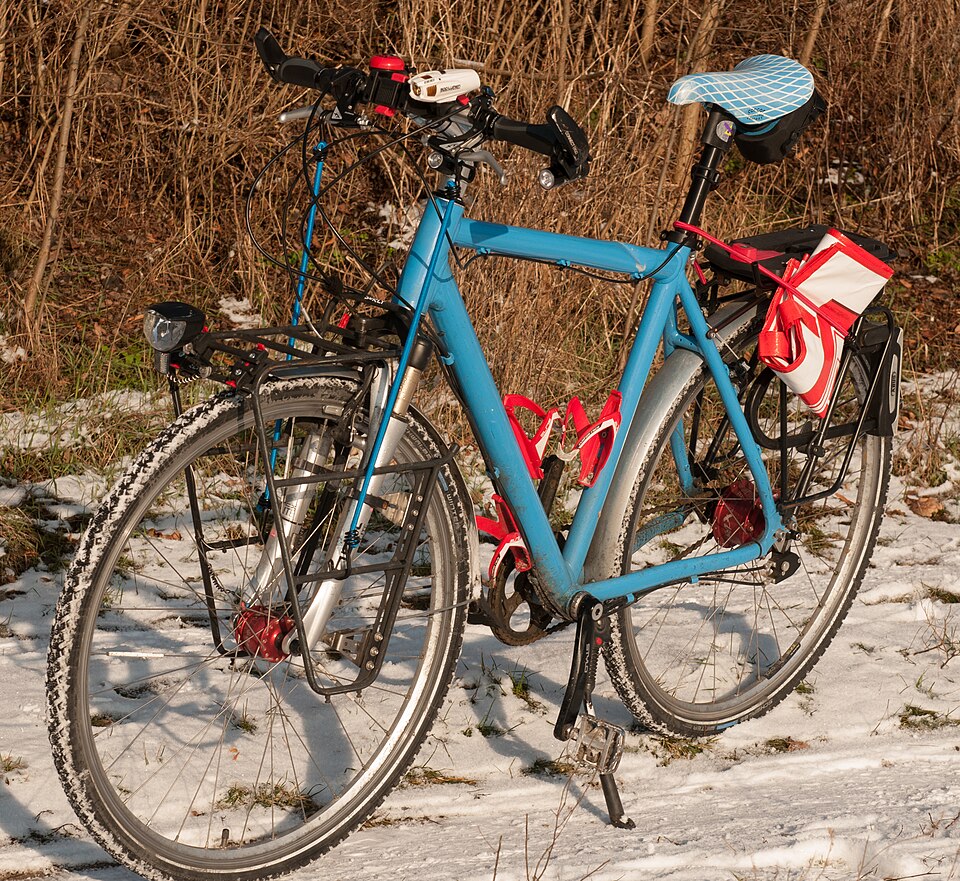
Recommended Pressure Reduction: 5-10 PSI for Cold Weather
-
Lower for Traction: Tire pressure should generally be lowered by 5-10 PSI (or roughly 0.3 bar) compared to summer settings. This reduction allows the tire to deform more easily, increasing the contact patch with the ground and providing better grip on slippery surfaces.
-
Contact Patch Benefits: Lower pressure creates a larger contact area between the tire and road surface. This increased contact improves traction on wet, icy, or snow-covered roads where maximum grip is essential for safety.
-
Comfort Improvements: Softer tires absorb more road vibrations and bumps, making winter rides more comfortable. This is particularly important when riding on rough, debris-covered winter roads.
-
Pinch Flat Prevention: While lower pressure might seem to increase pinch flat risk, using wider tires (28mm-30mm) allows you to run lower pressures safely without bottoming out on obstacles.
-
Overinflation Risks: Avoid overinflating tires in winter. Cold, icy surfaces require a higher contact area for traction, which is lost when tires are hard. Hard tires can skate across ice rather than grip it.
Temperature Effects: PSI Drops 1-2 Per 10°F Decrease
Understanding how temperature affects tire pressure is crucial for winter riding. Air density increases in the cold, causing tire pressure to drop by approximately 1-2 PSI for every 10°F (5.5°C) decrease. This means a tire inflated to 100 PSI at room temperature could drop to 90-95 PSI when riding in freezing conditions.
Regular Pressure Checks: You’ll need to check tire pressure more frequently in winter. What feels adequately inflated in your warm garage may be significantly underinflated once you hit the cold air. Always check pressure before heading out, not after your ride when tires have warmed up.
Storage Considerations: If storing your bike in a warm place but riding in the cold, slightly overinflate before heading out to compensate for the pressure drop when you move into the cold air. This pre-adjustment helps maintain optimal pressure throughout your ride.
Morning vs Afternoon Riding: Tire pressure can vary significantly between morning and afternoon rides, even in the same temperature. Morning air is typically colder and denser, causing lower pressure readings. Adjust accordingly based on when you plan to ride.
Pressure Gauge Accuracy: Cold temperatures can affect pressure gauge accuracy. Digital gauges may give slightly different readings in extreme cold compared to room temperature. Consider this when making fine adjustments to your tire pressure.
Winter Tire Selection and Setup
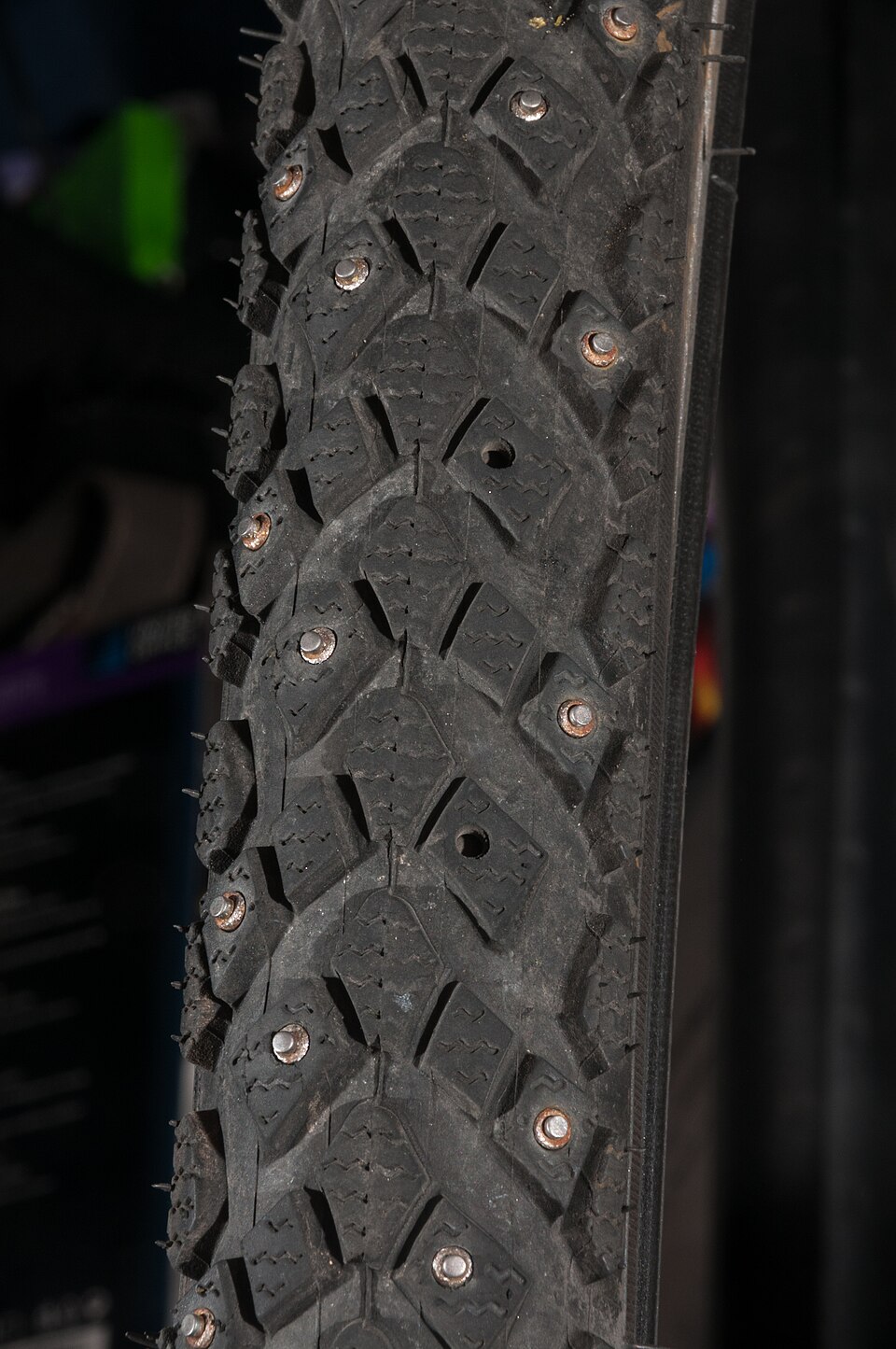
Wider Tires: 28mm-30mm for Cold Weather Comfort
-
Increased Volume Benefits: Wider tires (28mm-30mm) provide more air volume, allowing you to run lower pressures safely without risking pinch flats. The extra volume acts as a cushion against road irregularities.
-
Better Traction: Wider tires create a larger contact patch even at the same pressure as narrower tires. This increased contact area provides better grip on slippery winter surfaces.
-
Comfort Advantages: The larger air volume in wider tires absorbs more road vibrations and impacts, making winter rides significantly more comfortable, especially on rough, debris-covered roads.
-
Debris Resistance: Wider tires are less likely to get caught in cracks, potholes, or road debris that’s common in winter. Their larger footprint helps them roll over obstacles more easily.
-
Versatility: 28mm-30mm tires work well across various winter conditions, from wet roads to light snow. They provide a good balance between speed and traction for most winter riding scenarios.
Studded and Winter-Specific Tire Options
For extreme winter conditions, specialized tires can provide additional security. Gear Selection: Use tires with extra puncture protection or dedicated winter/studded tires for added security in freezing conditions. These tires feature reinforced casings and specialized tread patterns designed for cold weather performance.
Studded Tire Benefits: Studded tires contain metal or carbide studs that bite into ice, providing traction that standard tires cannot achieve. They’re essential for riding on frozen lakes, icy bike paths, or during severe ice storms.
Winter Compound Technology: Many winter-specific tires use rubber compounds that remain flexible in cold temperatures. Standard tire rubber can harden in freezing conditions, reducing grip. Winter compounds maintain their elasticity, preserving traction.
Puncture Protection: Winter roads often contain more debris, including broken glass, sharp ice shards, and road salt crystals. Tires with enhanced puncture protection help prevent flats in these challenging conditions — road cycling.
Trade-offs to Consider: Studded and winter-specific tires typically have higher rolling resistance than standard tires. They’re best reserved for the coldest months or when you know you’ll encounter ice and snow regularly.
Winter Riding Safety and Techniques
Braking and Cornering in Cold Conditions
-
Brake Early and Gently: Cold, wet rims reduce braking efficiency. Start braking earlier than you would in dry conditions, and apply pressure gradually to avoid skidding.
-
Clear Rim Technique: Brake often in wet conditions to clear rims and improve braking efficiency. This removes water and debris that can reduce brake pad effectiveness.
-
Avoid Sudden Movements: On icy surfaces, avoid braking or fast pedaling. Instead, steer straight and maintain a steady, controlled pace to prevent losing traction.
-
Cornering Strategy: Take corners more slowly in winter. Reduce your lean angle and maintain a more upright position to increase tire contact with the road surface.
-
Weight Distribution: Keep your weight slightly back and centered over the bike when braking on slippery surfaces. This helps maintain rear wheel traction and prevents the front wheel from washing out.
Route Selection and Riding Position
Stay Out of the Gutter: Avoid the gutter where water, ice, and debris accumulate. Stick to the center of the lane where cars have cleared the snow and where the surface is most likely to be dry and free of ice.
Road Surface Awareness: Be particularly cautious on bridges, overpasses, and in shaded areas where ice forms first and melts last. These spots can remain frozen even when main roads are clear.
Traffic Considerations: Ride predictably and make your intentions clear to motorists. Winter conditions reduce everyone’s reaction time, so clear communication through hand signals and lane positioning is crucial.
Group Riding Adjustments: If riding with others, increase your following distance. Winter conditions require more reaction time for braking and maneuvering, and reduced visibility makes it harder to see hazards ahead.
Emergency Preparedness: Carry essential tools, a spare tube, and a small pump or CO2 cartridge. Winter flats can be more challenging to fix with cold hands, so being prepared helps you get back on the road quickly.
The most surprising finding about winter tire pressure is that many cyclists actually overinflate their tires in cold weather, thinking harder tires equal better performance. In reality, this reduces traction exactly when you need it most. The actionable step is simple: check your tire pressure before every winter ride, and remember that what feels right in your warm garage may be dangerously low once you hit the cold air. Your winter rides will be safer and more enjoyable with this one habit.