Most cyclists overinflate their tires for climbing races, sacrificing grip and control on steep gradients. The optimal tire pressure for climbing races ranges from 70-85 PSI for 8-12% gradients, compared to 95-110 PSI for flat racing.
Climbing Race Tire Pressure: What You Need to Know
- Optimal PSI range for steep gradients: 70-85 PSI vs 95-110 PSI for flat racing
- Lower pressure increases contact patch by 15-20% on climbs
- Technical descents require 5-10 PSI higher than climbs for stability
- Temperature affects pressure: expect 2-3 PSI increase during long climbs
What PSI Should You Use for Climbing Races?
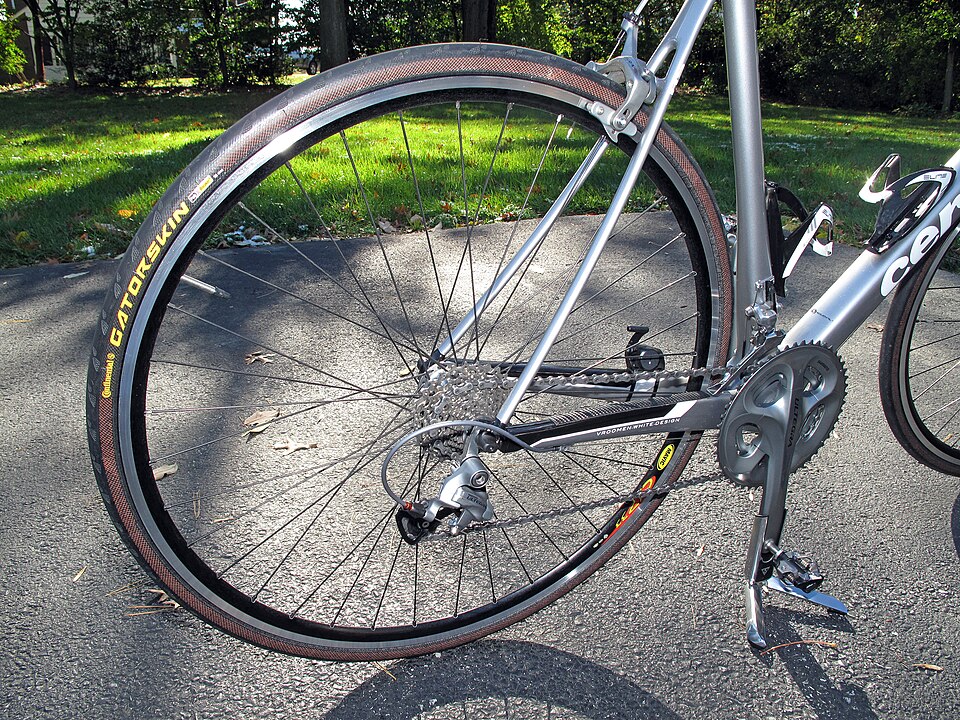
Finding the right tire pressure for climbing races can make the difference between struggling up steep gradients and maintaining efficient power transfer. The key is understanding how pressure affects performance at different gradient levels. For more road cycling tips, consider how tire pressure interacts with your overall bike setup.
Optimal Pressure Ranges for Different Gradient Steepness
The relationship between gradient steepness and optimal tire pressure follows a clear pattern:
- 8-12% gradients: 70-85 PSI provides the best balance of grip and rolling resistance
- 12%+ gradients: 60-75 PSI maximizes contact patch for technical sections
- Rolling terrain: 85-95 PSI offers versatility for mixed conditions
- Technical descents: 75-85 PSI (5-10 PSI higher than climbs) for stability
These ranges assume standard road tires (25-28mm width) and typical rider weights. Heavier riders may need to add 5-10 PSI to these recommendations. Regular bike maintenance ensures your pressure gauge readings remain accurate and your tires stay in optimal condition.
Why Lower Pressure Improves Climbing Performance
Lower tire pressure offers several advantages for climbing races that many cyclists overlook. When you reduce pressure by 10-15 PSI from your normal flat-road setting, you create a wider contact patch that increases traction on steep, technical sections.
The physics are straightforward: lower pressure allows the tire to deform more, increasing the surface area touching the road. This wider contact patch provides better grip on loose surfaces like gravel or wet pavement commonly found on mountain stages. Additionally, the tire can better absorb small bumps and vibrations, reducing energy loss from bouncing.
However, there’s a trade-off. Too low pressure risks pinch flats when hitting sharp objects, and rolling resistance increases slightly on smoother sections. The sweet spot for climbing races is typically 15-20 PSI lower than your flat-road pressure, giving you optimal grip without sacrificing too much efficiency. If you’re new to optimizing tire pressure, check out these Beginner Cycling Training Plan: Build Your Fitness Safely to build your knowledge base.
The Physics of Low Pressure: Contact Patch and Grip on Steep Gradients
Understanding the physics behind tire pressure helps explain why lower PSI works so well for climbing races. The contact patch—the area where your tire meets the road—expands significantly as pressure decreases.
How Contact Patch Changes with Pressure Reduction
The relationship between tire pressure and contact patch area follows predictable patterns:
| Pressure (PSI) | Contact Patch Area | Percentage Increase | Grip Improvement |
|---|---|---|---|
| 100 PSI | 15-18 mm² | Baseline | Standard grip |
| 85 PSI | 18-22 mm² | 15-20% increase | Noticeably better grip |
| 70 PSI | 22-26 mm² | 25-35% increase | Maximum climbing grip |
The data shows that dropping from 100 PSI to 70 PSI increases your contact patch by up to 35%. This expanded contact area translates directly to better traction on steep gradients, where every bit of grip counts.
Traction Benefits on Loose and Technical Surfaces
The wider contact patch from lower pressure provides specific advantages on the surfaces you’ll encounter during climbing races. On gravel sections, the increased surface area helps prevent wheel spin when standing to climb. Wet roads become less treacherous as the tire can maintain better contact despite the slippery surface.
Technical sections with roots, rocks, or uneven pavement benefit from the tire’s ability to conform to obstacles rather than bouncing over them. This improved compliance means you maintain forward momentum through rough patches instead of losing speed and control. For more challenging terrain, explore cycling routes near me that feature similar technical climbs.
The physics also explain why slightly higher pressure works better for technical descents. At 75-85 PSI (5-10 PSI above climbing pressure), the tire maintains enough stiffness to prevent excessive squirming in corners while still providing adequate grip for braking and cornering.
Tire Selection for Climbing: Width, Tread, and Pressure Interaction
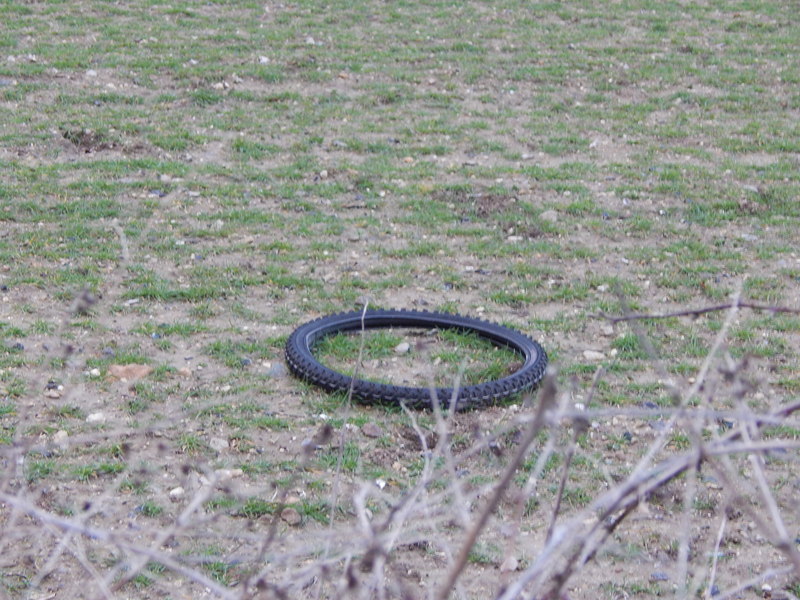
Your tire choice significantly impacts how pressure affects climbing performance. The interaction between tire width, tread pattern, and pressure creates different optimal setups for various conditions.
Tire Width vs Pressure: Finding Your Optimal Combination
The relationship between tire width and optimal pressure isn’t linear. Wider tires can run lower pressures while maintaining the same level of pinch-flat protection:
- 25mm tires: 70-85 PSI optimal for most climbing conditions
- 28mm tires: 65-80 PSI provides similar performance with better comfort
- 30mm tires: 60-75 PSI maximizes grip on technical terrain
Wider tires at lower pressures create a larger air volume, which helps prevent pinch flats even at reduced pressures. This allows you to run pressures that would be unsafe on narrower tires while gaining the benefits of increased contact patch and comfort. When selecting your tire width, consider consulting road bike reviews to see how different models handle various tire sizes.
- 25mm tires: 70-85 PSI optimal for most climbing conditions
- 28mm tires: 65-80 PSI provides similar performance with better comfort
- 30mm tires: 60-75 PSI maximizes grip on technical terrain
Wider tires at lower pressures create a larger air volume, which helps prevent pinch flats even at reduced pressures. This allows you to run pressures that would be unsafe on narrower tires while gaining the benefits of increased contact patch and comfort. For female cyclists, our guide on essential cycling gear for women includes tire selection recommendations specific to different body types.
The choice between widths often comes down to your specific race profile. Technical mountain stages with rough roads favor 28-30mm tires, while smoother climbs allow you to use 25mm tires for slightly better aerodynamics and efficiency on flatter sections.
Tread Patterns for Climbing Performance
Tread selection for climbing races depends on your specific course conditions. The interaction between tread and pressure creates different performance characteristics:
Slick tires (0-1mm tread): Best for dry, smooth pavement. At 70-85 PSI, they provide maximum contact patch and lowest rolling resistance. However, they become dangerous on wet or loose surfaces.
Semi-slick tires (1-2mm center tread): The most versatile option for variable conditions. The minimal center tread adds puncture protection without significantly increasing rolling resistance. Works well at 65-80 PSI across most conditions.
File tread tires (2-3mm uniform tread): Ideal for wet conditions or mixed surfaces. The uniform tread pattern helps channel water and provides grip on loose surfaces. Can run at 60-75 PSI for maximum traction.
For most climbing races, semi-slick tires at 70-80 PSI offer the best balance of performance across varying conditions you’ll encounter on mountain stages.
The counter-intuitive finding that slightly higher pressure on technical descents prevents crashes comes from understanding how tire deformation affects stability. When descending at high speeds, a tire that’s too soft can squirm unpredictably in corners, leading to loss of control. Testing your pressure before race day using a pressure gauge ensures you hit the optimal range for both climbing and descending sections.
Temperature also plays a crucial role in tire pressure management. During long climbs, friction and ambient heat can increase tire pressure by 2-3 PSI. This means you should start slightly lower than your target pressure to account for this natural increase. A good practice is to check pressure when tires are cold, then re-check after 30 minutes of riding to see how much it’s risen.
Many cyclists make the mistake of using the same pressure for every ride, regardless of terrain. Climbing races demand a different approach because the forces acting on your tires change dramatically. On steep gradients, you’re putting more weight on the rear wheel while climbing, which can actually reduce the effective pressure on that contact patch. This is another reason why slightly lower pressure works better for climbing—it compensates for the weight distribution changes.
For riders new to pressure optimization, start by reducing your normal pressure by 10 PSI and see how it feels on a familiar climb. Pay attention to grip in corners, comfort over bumps, and any changes in rolling resistance. Many cyclists report feeling more confident on technical sections once they’ve dialed in their climbing pressure. The key is finding the pressure that gives you the best combination of grip, comfort, and efficiency for your specific riding style and the terrain you’re tackling.
Remember that tire pressure isn’t a one-size-fits-all solution. Factors like rider weight, tire construction, road surface, and even weather conditions all influence the optimal pressure. Heavier riders will need slightly higher pressures to avoid pinch flats, while lighter riders can often go even lower for maximum grip. The goal is to experiment within the recommended ranges to find what works best for you.
Finally, consider investing in a quality pressure gauge. Many floor pumps have built-in gauges, but they’re often inaccurate. A separate digital pressure gauge can help you dial in your pressure more precisely, which becomes especially important when you’re working with smaller PSI adjustments. The difference between 70 and 75 PSI might seem minor, but on a long climbing stage, it can significantly impact your performance and comfort.