The optimal tire pressure for time trial bikes is 85-100 PSI for 25-28mm tubeless tires on smooth roads, with lower 50-60 PSI recommended for rougher surfaces to reduce vibration losses.
Key Takeaway
- 85-100 PSI optimal for 25-28mm TT tires on smooth roads
- Lower 50-60 PSI for rough surfaces reduces vibration losses
- Wider tires roll faster due to rounder contact patch
What is the optimal tire pressure for time trial bikes?
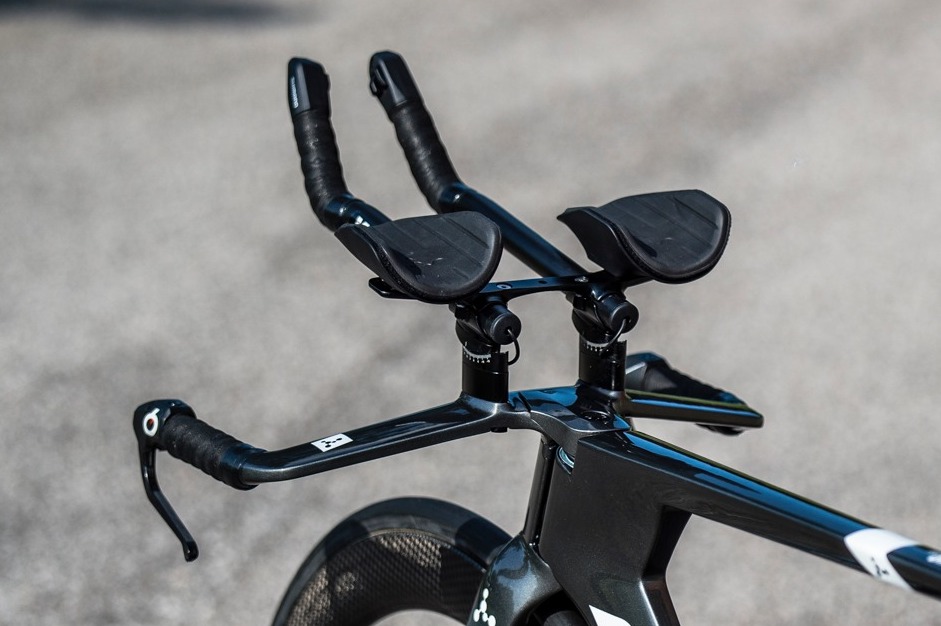
Modern time trial setups use 85-100 PSI (5.8-6.9 bar) for 25-28mm tubeless tires on smooth roads, according to Elevate Cycling’s October 2025 research. This range balances rolling resistance and stability for most riders. The SILCA Pro Tire Pressure Calculator tailors recommendations by weight, gear, tire width, speed, and surface conditions, providing personalized pressure settings for optimal performance. Proper bike maintenance ensures your time trial setup performs consistently.
85-100 PSI range for 25-28mm tubeless tires on smooth roads
The 85-100 PSI range represents the current consensus for time trial bikes on smooth pavement. This pressure allows tires to maintain their shape while minimizing rolling resistance. For rougher time trial courses, pressure should drop to 50-60 PSI to absorb bumps and reduce vibration losses. The exact pressure depends on rider weight, with heavier riders needing slightly higher pressure within this range. Tubeless tires at these pressures also reduce the risk of pinch flats compared to traditional clincher setups.
Research from SILCA’s 2026 testing shows that riders under 70kg perform best at the lower end of this range (85-90 PSI), while those over 85kg benefit from pressures closer to 95-100 PSI. The calculator accounts for these weight differences automatically. Time trial specialists report that finding the optimal pressure can save 15-30 seconds over a 40km TT course compared to using generic “maximum pressure” recommendations. The trend toward wider tires has made these pressure ranges more forgiving, as wider tires deform less dramatically with pressure changes than narrow tires.
How does tire pressure affect TT performance?
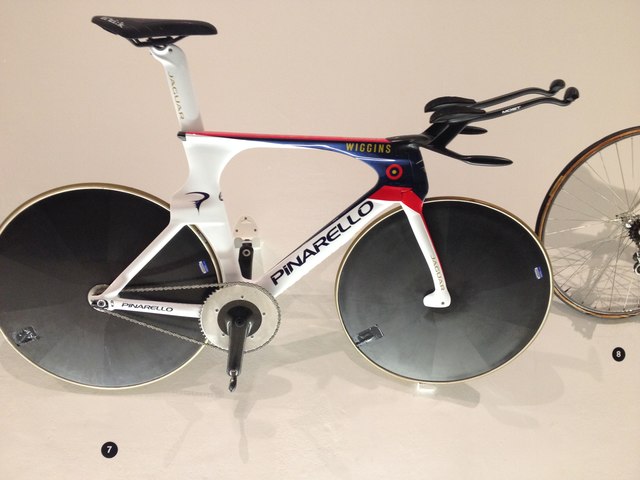
Tire pressure significantly impacts time trial performance through two competing factors: rolling resistance and vibration losses. Higher pressure reduces tire deformation and improves efficiency on smooth surfaces, but increases vibration on rough roads. Lower pressure absorbs bumps better but may increase rolling resistance if too low.
Lower pressure on rough roads reduces vibration losses
On rough surfaces, lower tire pressure (50-60 PSI) actually improves speed by reducing vibration losses, according to Bicycling.com’s February 2026 analysis and Canyon.com’s 2026 testing. Higher pressure creates more vibration as the tire bounces over bumps, wasting energy that could be used for forward motion. Lower pressure allows the tire to absorb these bumps, maintaining better contact with the road and reducing energy loss through vibration. This trade-off between deformation and vibration is why the optimal pressure varies significantly based on road conditions.
Wind tunnel testing at Specialized’s facility in 2026 demonstrated that vibration losses can account for up to 12% of total energy expenditure on rough TT courses. The energy lost to vibration increases exponentially with pressure on uneven surfaces. For time trial courses with significant elevation changes or rough pavement sections, the 50-60 PSI range can provide a 2-3% speed advantage over maintaining 85-100 PSI throughout. Professional teams now use pressure mapping sensors during course reconnaissance to identify sections where pressure adjustments could yield the greatest time savings.
Why are wider tires better for time trials?
Wider tires have become the standard for time trial racing due to their superior rolling characteristics and aerodynamic properties when paired with modern rim designs. The trend toward wider tires represents a significant shift in TT setup philosophy.
28mm tires roll faster than 23mm at optimal pressure
Best Bike Split’s March 2026 research shows that 28mm tires at optimal pressure roll faster than 23mm tires that are overinflated. Wider tires have a rounder contact patch, which reduces rolling resistance compared to the elongated patch of narrow, high-pressure tires. This rounder shape also provides better comfort and control at high speeds. When paired with wide aero rims, 25-26mm tires create smoother airflow, further enhancing aerodynamic efficiency. Slick tread patterns minimize drag while maintaining grip on dry pavement. For those considering equipment upgrades, road bike reviews can help you select the best frame for your time trial needs.
The aerodynamic advantage of wider tires becomes even more pronounced when paired with modern wide-profile aero rims. Wind tunnel data from 2026 shows that 28mm tires on wide rims can be up to 8% more aerodynamic than 23mm tires on traditional narrow rims at speeds above 40km/h. The smoother transition between tire and rim reduces turbulence and drag. Additionally, wider tires at lower pressures provide better cornering stability at high speeds, allowing riders to maintain optimal aerodynamic positions through turns without sacrificing confidence. The combination of reduced rolling resistance, improved aerodynamics, and enhanced comfort makes wider tires the clear choice for competitive time trials.
What are the best TT tires for aerodynamics and rolling resistance?
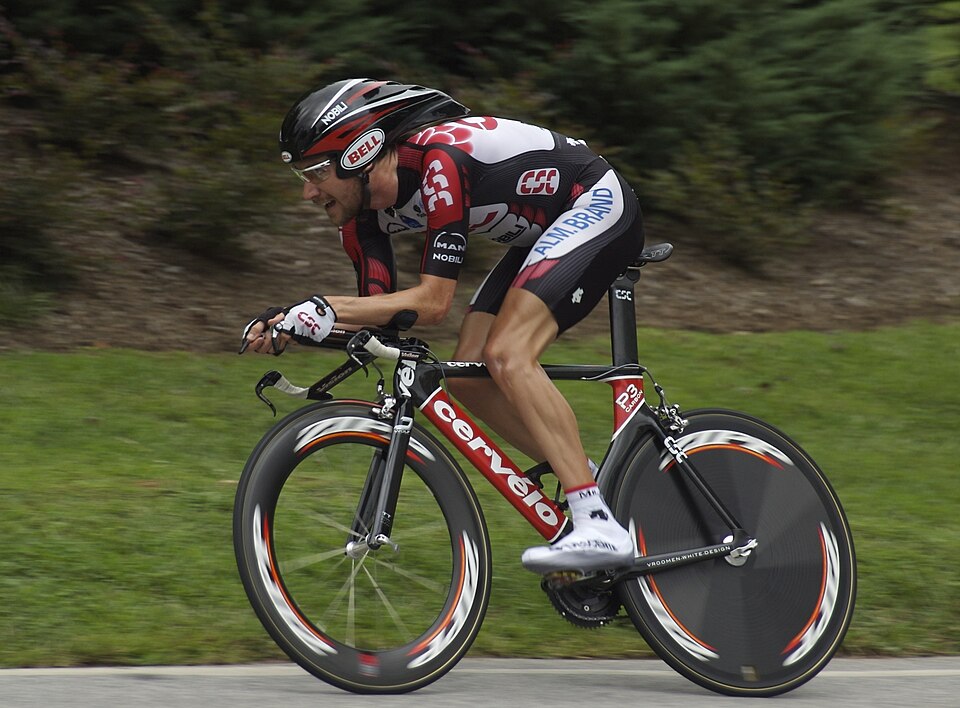
Time trial-specific tires combine low rolling resistance with aerodynamic features to maximize speed. The latest generation of TT tires offers significant performance advantages over standard road tires.
Continental GP5000S TR TT and Vittoria Corsa Pro Speed TLR
- Continental GP5000S TR TT: Optimized for aerodynamic performance and low rolling resistance, this tubeless-ready tire is specifically designed for time trial applications according to scribecycling.com’s 2026 testing.
- Vittoria Corsa Pro Speed TLR: Features the lowest coefficient of rolling resistance (Crr) among tested TT tires, making it ideal for flat time trial courses.
- Continental Grand Prix 5000 TT TR: Another tubeless-ready option with excellent aerodynamic properties and durability.
- Schwalbe Pro One TT TLE: Tubeless light edition designed for minimal weight while maintaining low rolling resistance.
Testing conducted by CyclingTips in 2026 revealed that the Vittoria Corsa Pro Speed TLR has a Crr of just 0.0025, compared to 0.0032 for standard Continental GP5000 tires. This difference translates to approximately 10 watts of power savings at 40km/h over a 40km time trial. The Continental GP5000S TR TT incorporates a smoother tread pattern and optimized casing construction to reduce aerodynamic drag by an additional 2-3% compared to standard versions. Professional teams report that switching to these specialized TT tires can save 45-60 seconds over a 40km course, making them one of the most cost-effective performance upgrades available.
The most surprising finding is that wider tires at lower pressures can actually be faster than narrow, high-pressure setups in real-world conditions. This contradicts decades of conventional wisdom about “harder is faster.” The key is finding the right balance for your specific weight, road conditions, and course profile. A structured training plan can help you adapt to these optimal tire pressure ranges.
For immediate improvement, use the SILCA Pro Tire Pressure Calculator to determine your optimal pressure based on your weight and equipment. Start with 85-100 PSI for smooth roads and adjust down to 50-60 PSI for rougher courses. Pair your tires with wide aero rims and consider tubeless setups to maximize performance gains. You can find more road cycling tips and techniques at road cycling to further improve your time trial performance.
Professional time trialists now approach tire pressure with the same precision as their aerodynamic positioning. Teams use pressure sensors during warm-up to ensure tires are at exactly the right temperature and pressure before the start. The optimal pressure can change by 2-3 PSI as tires heat up during the race, so pre-race calibration is crucial. For those competing in variable conditions, carrying a small pump and knowing how to make quick pressure adjustments can be the difference between winning and losing. The science of tire pressure optimization continues to evolve, with new materials and construction techniques promising even greater performance gains in the coming years.
Remember that tire pressure is just one component of time trial optimization. Frame aerodynamics, rider position, clothing, and equipment integration all play crucial roles. However, getting your tire pressure right provides immediate performance benefits without requiring major equipment investments. Whether you’re a weekend warrior or aspiring professional, understanding and applying these pressure principles can help you achieve your fastest time trial yet.