Finding the perfect road bike tire pressure for smooth, high-quality asphalt revolves around maximizing speed by reducing rolling resistance, which generally requires higher pressures compared to rough roads. For more detailed information about road cycling techniques and equipment, check out our comprehensive guide on road cycling.
Key Takeaway
-
For smooth roads, 25-28mm tires perform best at 90-110 PSI (6.2-7.6 bar)
-
Heavier riders need higher pressure to prevent pinch flats, lighter riders can run lower for comfort
-
Set rear tire 5-7 PSI higher than front to account for weight distribution
-
Overinflating (>110 PSI) can actually slow you down by reducing grip and increasing vibration
Optimal PSI Ranges for Smooth Pavement by Tire Width
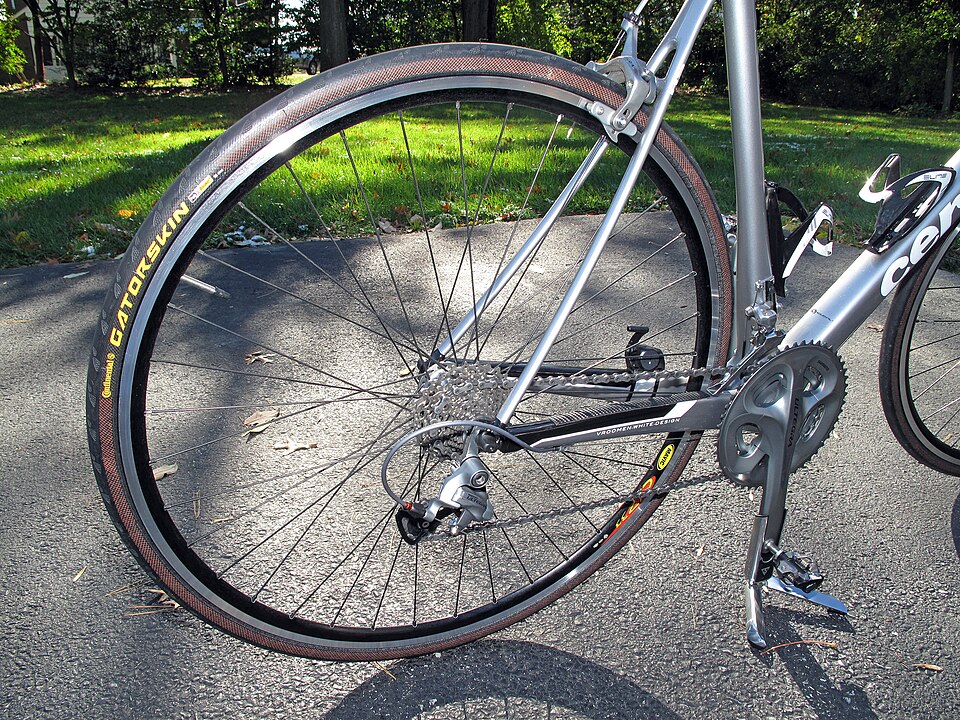
25mm tires: 90-100 PSI starting point for most riders
For smooth pavement, 25-28mm tires are usually best, with pressures ranging from 90–110 PSI (6.2–7.6 bar). The 25mm width represents the sweet spot for many road cyclists, offering an excellent balance between rolling efficiency and comfort.
25mm tires: Start with 90-100 PSI as your baseline, adjusting based on your body weight. Heavier riders (over 180 lbs) should lean toward the higher end of this range, while lighter riders (under 140 lbs) can comfortably run pressures closer to 90 PSI. This pressure range provides optimal rolling resistance on smooth surfaces while maintaining sufficient tire volume for comfort.
28mm tires: Modern, wider tires can run lower pressures (70-90 PSI) for comfort while maintaining speed. The increased air volume in wider tires means they can support your weight at lower pressures without bottoming out. This translates to better vibration damping and improved traction, especially when cornering or riding over small imperfections in the road surface.
28mm tires: 70-90 PSI for comfort without sacrificing speed
The physics behind wider tires running lower pressure is straightforward: as tire volume increases, the same weight is distributed over a larger air chamber. This means each square inch of tire bears less load, allowing for lower PSI while maintaining structural integrity. The result is a more comfortable ride without the speed penalty that once made narrow tires the default choice.
However, there’s a critical warning about overinflation. Running pressures above 110 PSI can actually work against you. When tires are overinflated, they become rigid and transmit every road vibration directly to you and your bike. This increased vibration not only makes the ride uncomfortable but can also reduce your grip on the road, particularly when cornering or braking. The energy lost through this vibration and reduced traction can ultimately slow you down, negating any theoretical rolling resistance benefit from the higher pressure.
Rider Weight: How Your Body Affects Ideal Tire Pressure
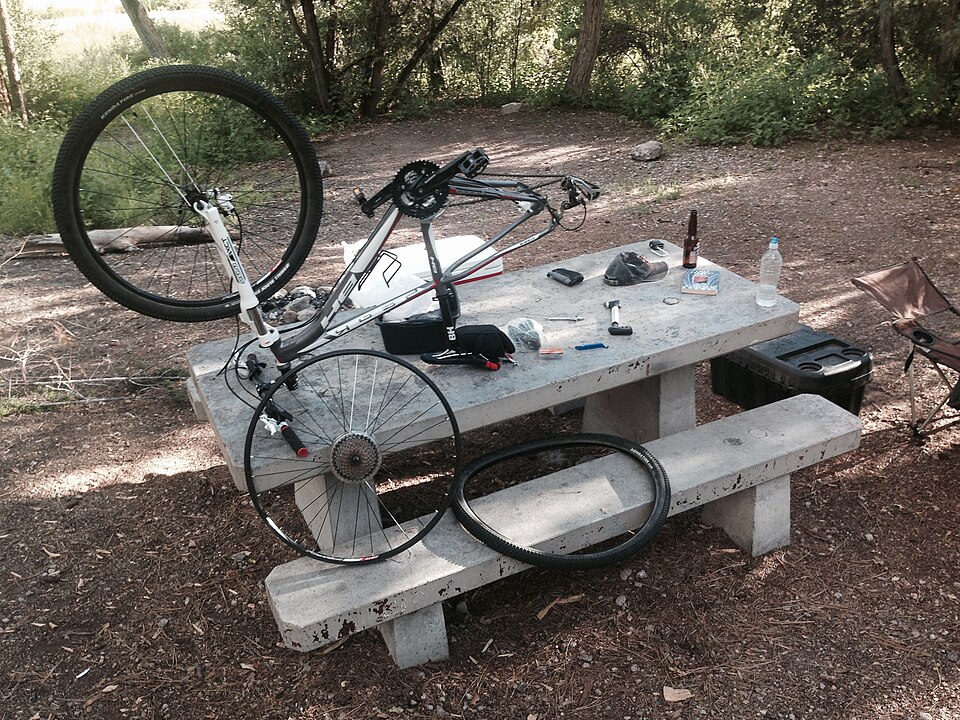
Heavier riders need higher pressure to prevent pinch flats
Your body weight is the single most important factor in determining optimal tire pressure. The relationship is simple: more weight requires more pressure to prevent the tire from bottoming out against the rim when hitting bumps or potholes.
Heavier riders (over 200 lbs): Should start at the upper end of recommended ranges and may need to add 5-10 PSI beyond standard recommendations. This prevents pinch flats, which occur when the tire compresses enough to hit the rim, pinching the inner tube between the tire and rim.
Average riders (140-200 lbs): Can follow the standard pressure ranges mentioned above. Your weight falls within the design parameters that most tire manufacturers optimize for.
Lighter riders (under 140 lbs): Can run lower pressures for better comfort and grip. Dropping 5-10 PSI below standard recommendations often provides a more comfortable ride without sacrificing speed or flat protection. The reduced pressure allows the tire to deform more easily over small road imperfections, absorbing vibrations that would otherwise be transmitted to you.
Rear vs. front pressure: 5-7 PSI difference for optimal handling
Weight distribution on a road bike isn’t even front-to-back. The rear wheel carries significantly more weight because that’s where your body weight is concentrated when in a riding position. Your saddle, which supports most of your weight, sits directly over the rear wheel.
This weight imbalance means the rear tire needs more pressure than the front. The standard recommendation is to set the rear tire 5-7 PSI (0.5 bar) higher than the front. This differential ensures both tires maintain their optimal shape under load, providing balanced handling and traction.
For example, if you’re running 95 PSI in your front tire, your rear should be at 100-102 PSI. This small difference makes a noticeable impact on how your bike handles, particularly during cornering and hard braking. The slightly higher rear pressure compensates for the additional weight, preventing the rear tire from deforming too much under acceleration or when climbing hills.
Fine-Tuning Your Pressure: When to Adjust PSI
Daily pressure checks: why tires lose PSI over time
Road bike tires naturally lose air over time, even when not in use. This happens because air molecules slowly permeate through the rubber and because temperature changes affect air pressure. A tire that’s perfect today might be 10-15 PSI low in just a few days.
Check daily: Make pressure checking part of your pre-ride routine. A simple floor pump with a built-in gauge makes this quick and easy. Tires can lose 1-3 PSI per day depending on temperature and the quality of the inner tube.
Too hard? If your ride feels jarring or harsh, reduce PSI by 5–10 until it feels smooth. Many riders overinflate their tires, thinking higher pressure equals faster speeds. However, a tire that’s too hard transmits every road vibration, making long rides uncomfortable and potentially reducing your efficiency.
Quick troubleshooting: If you’re experiencing frequent flats or a harsh ride, try reducing pressure in 5 PSI increments until you find the sweet spot. Conversely, if you’re bottoming out on bumps or experiencing pinch flats, increase pressure gradually until the problem resolves.
Wet roads: reduce pressure by 5-10 PSI for better grip
Wet conditions require pressure adjustments to maintain safety and performance. When roads are wet, reducing your tire pressure by 5–10 PSI increases the tire’s contact patch with the road surface.
This larger contact area provides several benefits in wet conditions. First, it increases the tire’s ability to displace water, reducing the risk of hydroplaning. Second, it allows more of the tire’s tread (or in the case of slick road tires, more of the rubber compound) to contact the road, improving grip. Third, the slightly softer tire can better conform to the road surface, finding traction in areas that might be missed by a harder, more rigid tire.
The pressure reduction for wet conditions applies to both tires equally, though you should still maintain the 5-7 PSI rear-front differential. This adjustment can make the difference between confident cornering and nervous sliding when riding in the rain.
The most surprising finding about road bike tire pressure is that the “harder is faster” myth has been completely debunked by modern tire technology. Today’s wider tires at lower pressures actually roll faster on real-world roads than narrow, rock-hard tires. The comfort and vibration damping provided by properly inflated wider tires allow you to maintain power output longer, ultimately making you faster over the course of a ride.
Your immediate action step: Check your current tire pressure with a quality gauge, then adjust it based on your weight and tire width using the guidelines above. You’ll likely notice improved comfort and performance on your very next ride.