The optimal high-speed tire pressure for road cycling is 70-90 PSI for 25-28mm tires, not the traditional 100+ PSI. Modern research shows that lower pressure reduces vibration and rolling resistance on imperfect roads, actually making you faster on typical cycling surfaces.
- Optimal range: 70-90 PSI for 25-28mm tires on flat terrain and descents
- Weight adjustment: +1-2 PSI per 10kg over 70kg body weight
- Rear tire: 3-5 PSI higher than front for weight distribution
- Safety limit: Never exceed 72.5 PSI on hookless rims
Why Lower Pressure (70-90 PSI) Beats High Pressure (100+ PSI) for Speed
Excessively high tire pressure is actually slower on typical imperfect road surfaces because it causes bouncing and energy waste. When tires are rock-hard, they cannot absorb road imperfections, forcing the bike to bounce up and down with each bump. This vertical movement wastes energy that should be propelling you forward.
Lower pressure allows the tire to conform to road imperfections, maintaining better contact with the surface and reducing vibration. Research shows that around 80 PSI can be faster than 100+ PSI on real roads because the tire absorbs small bumps rather than transmitting them to the rider and bike. This smooth rolling motion maintains momentum and reduces the energy-sapping vibrations that slow you down.
The physics is simple: a tire that can deform slightly over road imperfections maintains more forward momentum than one that bounces over every bump. Think of it as the difference between a car with good suspension versus one with solid tires – the suspension car is faster and more comfortable on rough roads.
Optimal Pressure Ranges by Tire Width for Maximum Speed
25mm tires:
- Rear: 85-95 PSI
- Front: 80-90 PSI
28mm tires:
- Rear: 75-85 PSI
- Front: 70-80 PSI
30-32mm tires:
- Rear: 60-75 PSI
- Front: 55-70 PSI
These ranges provide the ideal balance between rolling resistance and comfort. The rear tire runs slightly higher because it supports approximately 60% of your body weight, while the front handles steering and braking forces.
The “Firm but Not Rock-Hard” Pressure Sweet Spot
The optimal high-speed pressure feels firm but not rock-hard when you squeeze the tire. It should have just enough give that you can press it in slightly with your thumb, but not so much that it feels soft or squishy. When riding, you’ll notice the bike rolls smoothly over small bumps without bouncing, and the tires maintain consistent contact with the road surface.
This sweet spot allows the tire to absorb vibrations while still providing the low rolling resistance needed for high-speed performance. You’ll feel more connected to the road and experience less fatigue on longer rides, as the tires are doing the work of smoothing out the surface rather than your body absorbing every bump.
Weight-Based Pressure Optimization for Maximum Speed
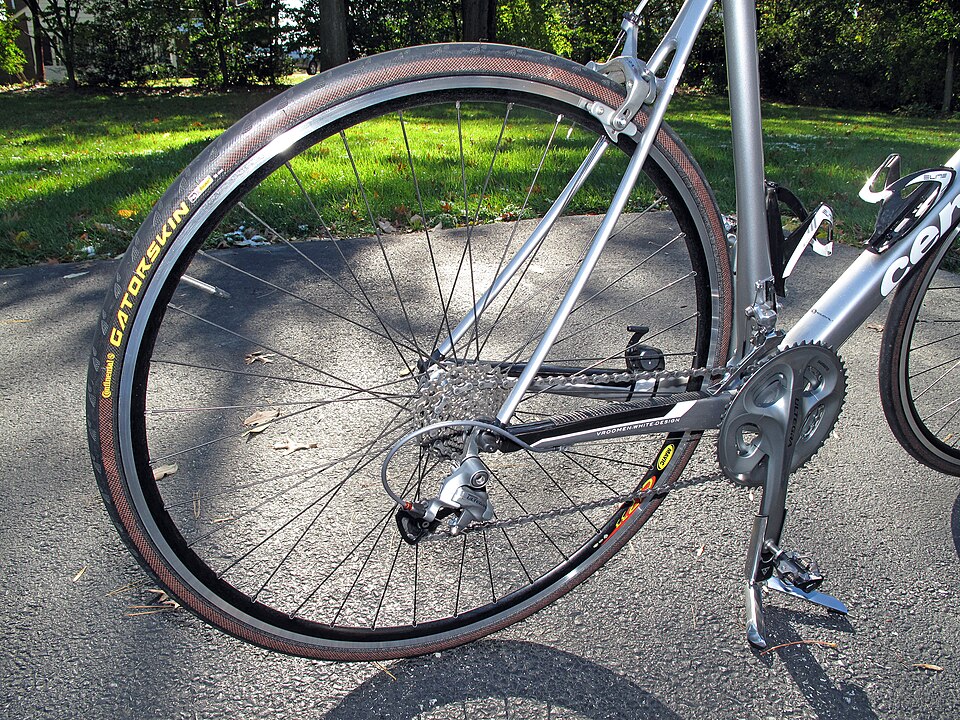
Canyon’s Weight-Based Pressure Guide for High-Speed Performance
| Body Weight | Recommended Pressure (28mm tires) |
|---|---|
| ≤ 50kg | 58 psi (4.1 bar) |
| 51-57kg | 64 psi (4.4 bar) |
| 58-65kg | 69 psi (4.8 bar) |
| 66-73kg | 74 psi (5.1 bar) |
| 74-81kg | 79 psi (5.5 bar) |
| 82-88kg | 84 psi (5.8 bar) |
| ≥ 89kg | 89 psi (6.2 bar) |
| ≥ 96kg | 94 psi (6.6 bar) |
This weight-based guide provides a precise starting point for high-speed performance. The pressure increases with body weight because heavier riders need more air to prevent pinch flats and maintain proper tire shape under load.
Fine-Tuning Pressure: The 1-2 PSI Per 10kg Rule
For every 10kg over 70kg body weight, increase pressure by 1-2 PSI. This simple formula allows you to customize pressure for your specific weight beyond the standard ranges. For example, if you weigh 90kg (20kg over 70kg), you would add 2-4 PSI to the base recommendations.
This adjustment ensures your tires maintain optimal shape and rolling resistance for your weight. Too little pressure for your weight can cause pinch flats and poor handling, while too much pressure creates the bouncing and energy waste we want to avoid.
Front vs Rear Tire Pressure: The 3-5 PSI Difference
The rear tire should run 3-5 PSI higher than the front because it supports approximately 60% of your body weight. This weight distribution means the rear tire bears more load and needs higher pressure to maintain proper shape and prevent pinch flats.
The front tire, handling steering and braking forces, runs slightly lower pressure. This differential creates a balanced system where both tires work optimally for their specific roles. When setting your pressures, always check both tires separately and adjust the rear up by 3-5 PSI from your front tire pressure.
Safety Limits and System Optimization for High-Speed Performance
Hookless Rim Safety: The 72.5 PSI Maximum
Hookless rims have a critical safety limit of 72.5 PSI (5 bar) maximum. Exceeding this pressure can cause the tire to blow off the rim, especially during high-speed cornering or when hitting bumps. This limit exists because hookless rims rely on the tire’s bead seating against the rim shelf, rather than mechanical hooks that grip the tire bead.
Always check your rim specifications before inflating. If you have hookless rims, never exceed 72.5 PSI, even if your tire sidewall shows a higher maximum pressure. This safety boundary is non-negotiable for preventing dangerous blowouts at high speeds.
Tubeless vs Tubed: Pressure Advantages for High-Speed Riding
Tubeless setups allow 10-15 PSI lower pressures without pinch flat risk compared to tubed systems. This pressure advantage comes from eliminating the tube, which can be pinched between the tire and rim. Without a tube, you can run softer pressures that improve comfort and traction while maintaining speed.
Tubeless systems also reduce rolling resistance slightly because there’s no tube friction inside the tire. However, tubeless tires can experience “burping” – where the tire momentarily loses air during hard cornering – so you need to find the right balance between low pressure benefits and cornering stability.
Using the SILCA Pro Tire Pressure Calculator for Precision
The SILCA Pro Tire Pressure Calculator provides exact pressure recommendations based on your specific weight, tire size, and rim type. This tool takes into account all the variables we’ve discussed – weight, tire width, and system type – to give you personalized pressure settings.
To use the calculator, input your total system weight (rider + bike + gear), tire width, and whether you’re using tubeless or tubed tires. The calculator will provide front and rear pressure recommendations that optimize for your exact setup. This precision eliminates guesswork and ensures you’re getting the maximum performance from your tire pressure setup.
The most surprising insight about high-speed tire pressure is that excess pressure actually slows you down on imperfect roads. The traditional advice of pumping tires to maximum pressure creates a harsh, bouncing ride that wastes energy. Instead, finding that “firm but not rock-hard” sweet spot around 70-90 PSI for most riders will give you faster, more comfortable high-speed performance.
For your next high-speed ride, use the SILCA Pro Tire Pressure Calculator with your exact weight and tire specs to find your optimal pressure. Start with those recommendations, then fine-tune based on how the bike feels – you’re looking for smooth rolling over bumps without any bouncing. This personalized approach will maximize your speed and efficiency on flat terrain and descents.