Indoor cycling trainer sessions offer structured workouts that build fitness when outdoor riding isn’t possible. Beginner cyclists can achieve significant aerobic improvements through 30-60 minute sessions, 3-4 times per week, focusing on proper technique rather than intensity.
Key Takeaway
-
Beginner structured trainer sessions focus on building aerobic base and efficiency
-
Recommended frequency: 3-4 rides per week for 30-60 minutes per session
-
Key session components: 10-minute warm-up, short high-intensity intervals with equal rest, 5-minute cool-down
-
Focus on consistency, technique, smooth pedal strokes, and core engagement
Beginner Structured Trainer Sessions: Building Your Fitness Foundation
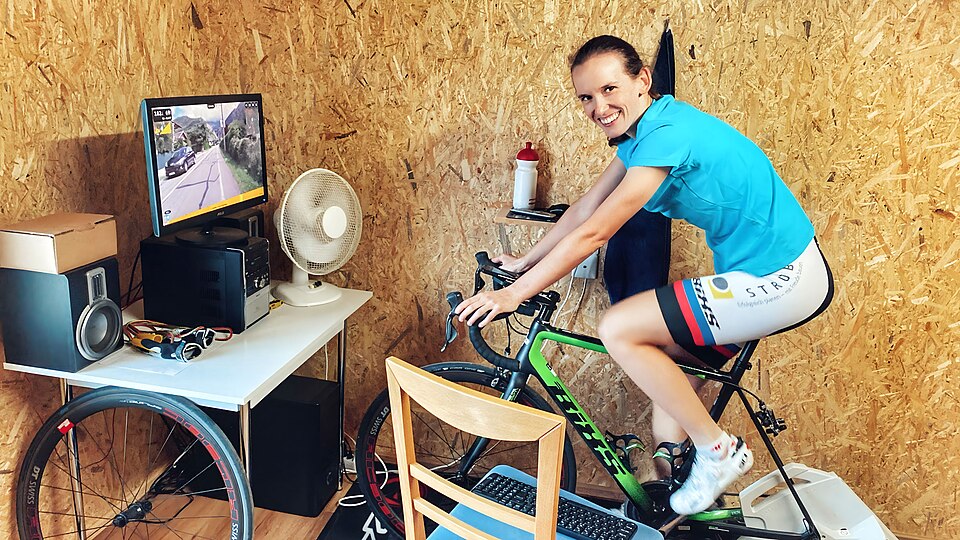
Session Structure: Warm-up, Intervals, and Cool-down
Every effective trainer session follows a three-part structure that prepares your body, challenges it appropriately, and helps recovery. The warm-up phase lasts 10 minutes and should involve light spinning at low resistance to gradually increase heart rate and blood flow to working muscles. This preparation reduces injury risk and improves performance during the main workout.
The main workout typically includes short high-intensity intervals with equal rest periods. For beginners, this might mean 30-60 second efforts at moderate intensity followed by 30-60 seconds of easy spinning. This interval structure builds cardiovascular fitness while allowing adequate recovery between efforts. The work-to-rest ratio ensures you can maintain quality throughout the session.
Every session concludes with a 5-minute cool-down period of easy spinning. This gradual reduction in intensity helps prevent blood pooling in the legs, reduces muscle soreness, and promotes faster recovery. The total session duration ranges from 30-60 minutes, making it manageable for busy schedules while still providing significant fitness benefits.
Core Focus: Technique, Consistency, and Smooth Pedaling
Technique matters more than intensity for beginner cyclists on trainers. Proper form includes maintaining a smooth, circular pedal stroke rather than stomping down on the pedals. This efficiency reduces fatigue and builds sustainable power output. Focus on keeping your upper body still while your legs do the work, and maintain a slight bend in your elbows.
Consistency trumps occasional long sessions. Three 30-minute rides per week provide better results than one 90-minute ride monthly. Regular training builds aerobic capacity, improves muscle memory, and establishes exercise as a habit. The body adapts to consistent stimulus, making steady progress more achievable than sporadic intense efforts.
Core engagement plays a crucial role in indoor cycling efficiency. A strong core stabilizes your upper body, improves power transfer from legs to pedals, and reduces lower back strain. Practice engaging your abdominal muscles throughout the ride, especially during high-intensity efforts. This engagement also improves breathing efficiency and overall cycling economy — road cycling.
Beginner Session Types: Endurance, Intervals, and Cadence Training

Endurance/Zone 2 Training: Building Your Aerobic Base
-
Duration: 45-60 minutes
-
Intensity: Sustainable pace at 60-75% of maximum heart rate, or RPE (Rate of Perceived Exertion) 3-4 on a 1-10 scale
-
Goal: Build aerobic base and improve fat-burning efficiency
-
Benefits: Increases mitochondrial density, improves oxygen delivery, enhances recovery capacity
Endurance training forms the foundation of cycling fitness. Zone 2 training keeps you at a conversational pace where you can maintain the effort for extended periods. This intensity level builds cardiovascular efficiency without causing excessive fatigue. The RPE scale helps beginners gauge effort without requiring heart rate monitors or power meters.
These sessions improve your body’s ability to use fat as fuel, sparing glycogen stores for harder efforts. They also enhance capillary density in muscles, improving oxygen delivery during all types of exercise. The steady nature of endurance training allows you to focus on pedal technique and breathing patterns.
Interval Training: High-Intensity Sessions for Fitness Gains
|
Interval Type |
Structure |
Duration |
Purpose |
|---|---|---|---|
|
Standard Intervals |
3 min hard / 2 min easy |
4-6 sets |
Build aerobic capacity and threshold power |
|
Low Cadence Strength |
5-10 min at 50-60 RPM |
2-3 sets |
Develop leg force and muscular endurance |
|
High Cadence Efficiency |
1-4 min at 100+ RPM |
3-5 sets |
Improve pedal technique and neuromuscular coordination |
|
Pyramid Intervals |
1-2-3-2-1 min increasing/decreasing |
2-3 pyramids |
Develop varied intensity tolerance |
Interval training alternates between high-intensity efforts and recovery periods. A typical beginner session might include a 3-minute warm-up, followed by 4 sets of 3-minute hard efforts at RPE 8 (hard but sustainable), with 2 minutes of easy pedaling between efforts, and ending with a 3-minute cool-down. This structure provides significant fitness gains in a manageable timeframe.
Low cadence intervals at 50-60 RPM build leg strength by forcing muscles to generate more force per pedal stroke. These should be performed seated with smooth, controlled movements. High cadence intervals at 100+ RPM improve pedaling efficiency and reduce muscular fatigue at race pace. Both types complement endurance training for well-rounded fitness.
Weekly Training Structure: Balancing Rest and Progression
Sample Weekly Schedule for Beginner Cyclists
-
Monday: Rest day – complete recovery with light walking or stretching
-
Tuesday: HIIT session – 30-45 minutes including warm-up and cool-down
-
Wednesday: Light recovery spin (30 minutes) or complete rest
-
Thursday: Tempo/Endurance intervals – 45-60 minutes at Zone 2 intensity
-
Friday: Rest day – focus on sleep and nutrition
-
Saturday: Longer endurance ride – 60-90+ minutes (indoor or outdoor)
-
Sunday: Light active recovery or complete rest
This weekly structure provides adequate recovery between intense sessions while maintaining consistent training stimulus. The schedule alternates between high-intensity days and recovery or endurance-focused days. This approach prevents overtraining while maximizing fitness gains. Rest days are crucial for adaptation and injury prevention.
Avoid back-to-back intensity days, as this increases injury risk and can lead to burnout. The body needs 48-72 hours to recover from high-intensity efforts. Endurance rides on Saturday provide longer duration training without the same recovery demands as HIIT sessions. This balance allows beginners to progress safely while building sustainable fitness habits.
Progression Tips: When to Increase Intensity and Duration
Beginners should aim for 90-95 RPM during endurance sessions and 60-70 RPM during strength-focused workouts. These cadence ranges optimize efficiency and power output for different training goals. Use the RPE scale (1-10) to gauge intensity, with 1 being very easy and 10 being maximum effort. This subjective measure works well without specialized equipment.
Progression should be gradual and based on consistent performance. Increase workout duration by 5-10 minutes per week once you can complete current sessions comfortably. For intensity progression, add one interval to your HIIT sessions or increase the duration of existing intervals by 30 seconds. Only progress when you can maintain proper form throughout the workout.
Always warm up for 5-10 minutes with light spinning before starting hard efforts. This preparation reduces injury risk and improves performance quality. Listen to your body and take extra rest when needed. Fatigue, persistent soreness, or declining performance indicate you need more recovery time. Sustainable progress requires balancing training stress with adequate recovery.
Most surprising finding: Beginner cyclists often see the biggest fitness improvements in the first 4-6 weeks of structured training, with measurable gains in aerobic capacity and power output appearing within just 2-3 weeks of consistent effort.
Ready to start? Begin with two 30-minute sessions this week, focusing on smooth pedaling and proper warm-up. Track your progress and gradually add a third session next week as your fitness improves.