High temperatures cause air inside bicycle tubes to expand, creating dangerous over-inflation risks that can lead to tire blowouts and compromised handling. The solution is lowering initial pressure by 7 psi (0.5 bar) before hot rides to compensate for heat-related expansion.
Hot Climate Tire Pressure Management
- Lower initial pressure by 7 psi (0.5 bar) to compensate for heat expansion
- Check pressure in cool morning before sun heats tires
- Adjust for road conditions: rough roads need lower pressure, smooth roads can handle higher pressure
- Drop 2-5 PSI for wet roads even in summer for better traction
- Inspect tires regularly as heat accelerates rubber aging
How much to lower tire pressure in hot weather
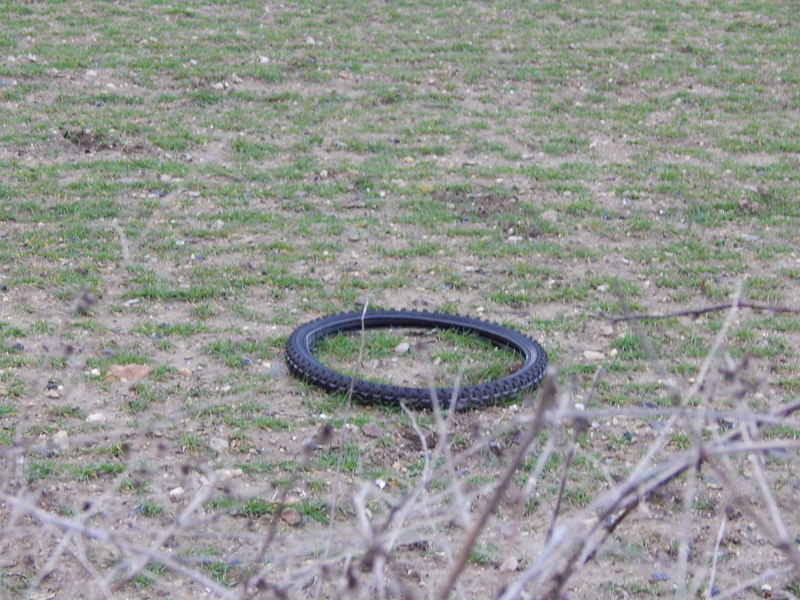
The 7 psi rule for hot climate riding
Heat from ambient temperature, road friction, and braking causes air inside bicycle tubes to expand significantly during hot weather rides. Lowering initial pressure by 7 psi (0.5 bar) prevents dangerous over-inflation that can occur when temperatures rise. According to cycling equipment experts, do not fill tires to the maximum recommended PSI, as heat buildup can increase pressure beyond the safe limit. Always check tire pressure in the early morning before the sun heats the tires, when they’re at their coolest and most accurate reading. For more detailed information about road cycling techniques and equipment, visit our road cycling resource page.
The 7 psi reduction serves as a safety buffer against multiple heat sources. Ambient temperature alone can increase tire pressure by 2-3 psi on a hot day. Road friction adds another 2-4 psi during riding, especially on rough surfaces. Braking, particularly with rim brakes or carbon rims, generates intense localized heat that can spike pressure by 3-5 psi during long descents. The cumulative effect means a tire filled to maximum pressure at 70°F could exceed safe limits by 10-15 psi on a 95°F day with active riding.
Professional cyclists in hot climates like Arizona, Spain, and Australia routinely adjust their tire pressures downward by 10-15% during summer months. This practice prevents the dangerous expansion that occurs when heated air molecules move faster and occupy more space. The expanded air creates excessive pressure that stresses tire sidewalls, increases rolling resistance, and raises the risk of catastrophic failure. By starting with lower pressure, riders maintain optimal tire shape and performance throughout their ride as temperatures climb.
Morning pressure checks prevent dangerous expansion
Checking tire pressure in the cool morning hours is crucial for hot weather cycling safety. Heat buildup throughout the day can increase tire pressure by several PSI, potentially pushing it beyond the tire’s safe operating range. Morning checks provide the baseline pressure that accounts for the day’s heat expansion. This timing strategy ensures you’re working with accurate measurements before environmental factors affect your readings.
The physics of thermal expansion means tire pressure can increase by approximately 1 psi for every 10°F rise in temperature. A tire checked at 60°F in the morning might read 5-7 psi higher by afternoon when temperatures reach 90°F. This expansion is compounded by road surface heat, which can exceed air temperature by 20-30°F on asphalt roads. Morning pressure checks also allow riders to detect slow leaks or pressure drops that occurred overnight, ensuring tires are properly inflated before the heat of the day begins.
Professional mechanics recommend checking pressure when tires are cold, typically before sunrise or at least 3-4 hours after the bike was last ridden. This cold pressure reading becomes your reference point for the day. Mark this pressure on your tire gauge or in a cycling app to track how much expansion occurs during different weather conditions. Over time, you’ll develop a feel for how much to adjust your starting pressure based on the day’s forecast and your planned route. New cyclists should also consult our Essential Cycling Tips for Beginners Starting Their Journey guide for comprehensive safety advice.
Hot climate tire pressure tips by road condition
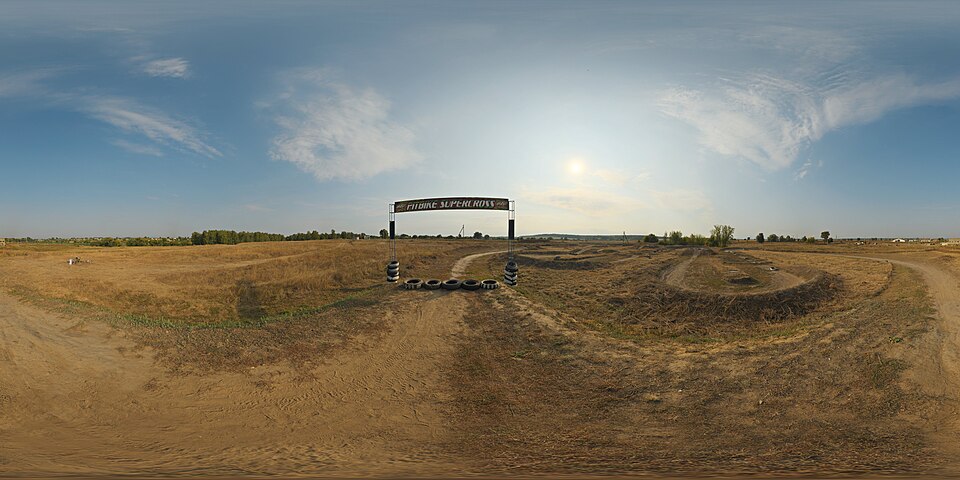
Rough roads need lower pressure for comfort and grip
- Slightly lower pressure on rough roads offers better comfort by absorbing vibrations that would otherwise transfer through the tire to the rider
- Lower pressure increases the tire’s contact patch for improved grip on uneven surfaces, reducing the likelihood of skidding on loose gravel or bumpy terrain
- This adjustment doesn’t significantly decrease speed on rough terrain because the improved traction and comfort allow riders to maintain momentum through obstacles
- The improved traction helps prevent skidding on loose or bumpy surfaces, which is especially important when descending on hot days when tire pressure is already elevated
Rough road surfaces demand different pressure strategies than smooth pavement. On chip-sealed roads, cobblestone streets, or gravel paths, slightly lower pressure (2-4 psi below your smooth-road setting) allows the tire to deform around surface irregularities rather than bouncing over them. This deformation creates a larger contact patch that grips uneven terrain more effectively. The trade-off is minimal on rough surfaces because the energy lost to vibration on over-inflated tires exceeds any rolling resistance gains.
Heat complicates rough-road pressure management because the same expansion that occurs on smooth roads happens here too, but with added stress from surface impacts. The combination of high ambient temperatures and repeated impacts from rough surfaces can cause rapid pressure increases. Starting with pressure 1-2 psi lower than you would on a cool day provides an additional safety margin. This approach maintains the comfort and grip benefits of lower pressure while accounting for heat-related expansion during your ride.
Smooth tarmac allows higher efficiency pressure
- Slightly higher pressure is more efficient on perfectly smooth surfaces because it reduces the tire’s deformation and rolling resistance
- Increased pressure reduces rolling resistance on clean tarmac by minimizing the contact patch size and the energy lost to tire flex
- This allows for better speed maintenance on well-maintained roads, particularly important for long-distance rides in hot weather
- The efficiency gains are most noticeable on long, smooth stretches where sustained high speeds are maintained
Smooth, clean tarmac represents the ideal surface for maximizing tire pressure efficiency. On these surfaces, slightly higher pressure (2-3 psi above your rough-road setting) reduces the tire’s contact patch and minimizes energy lost to deformation. The physics principle at work is that less tire flex means less energy wasted as heat within the tire itself. This translates to easier pedaling and better speed maintenance, particularly valuable during long rides in hot conditions where rider fatigue compounds.
However, smooth surfaces in hot climates present their own challenges. The road surface can become extremely hot, sometimes exceeding 150°F on dark asphalt during peak sun hours. This surface heat transfers directly to the tire, accelerating pressure increases beyond what ambient air temperature alone would cause. Even on smooth roads, the 7 psi reduction rule applies because the combination of rider weight, road friction, and surface heat can push pressure beyond safe limits within the first few miles of riding.
Wet roads require pressure drops even in summer
- Dropping pressure by 2-5 PSI in wet conditions increases the contact patch, which is counterintuitive but crucial for maintaining traction
- This improves traction by creating more surface area between tire and road, allowing water to escape through the tread rather than lifting the tire (hydroplaning)
- Even summer storms require this adjustment for safety because wet roads are significantly more slippery than dry surfaces, regardless of temperature
- The pressure drop helps prevent hydroplaning on wet surfaces by forcing water out from under the tire through the tread channels
Wet roads create unique pressure requirements that override normal hot-weather considerations. Even in summer, when temperatures are high, sudden rainstorms demand immediate pressure adjustments. The 2-5 psi drop increases the tire’s contact patch, which serves two critical functions: it improves mechanical grip on the slippery surface and helps prevent hydroplaning by forcing water out through the tread. This adjustment is essential regardless of the ambient temperature because water on the road creates fundamentally different traction dynamics than dry pavement.
The interaction between heat and wet conditions creates particular challenges. Hot asphalt can cause water to vaporize instantly upon contact, creating a slippery steam layer. Additionally, oils and contaminants on the road surface rise when first wet, creating especially treacherous conditions. The pressure drop compensates for these factors by maximizing the tire’s ability to maintain contact with the road surface. This adjustment should be made immediately upon encountering wet conditions, even if you’ve already been riding for miles in hot, dry weather.
Hot weather tire safety and maintenance
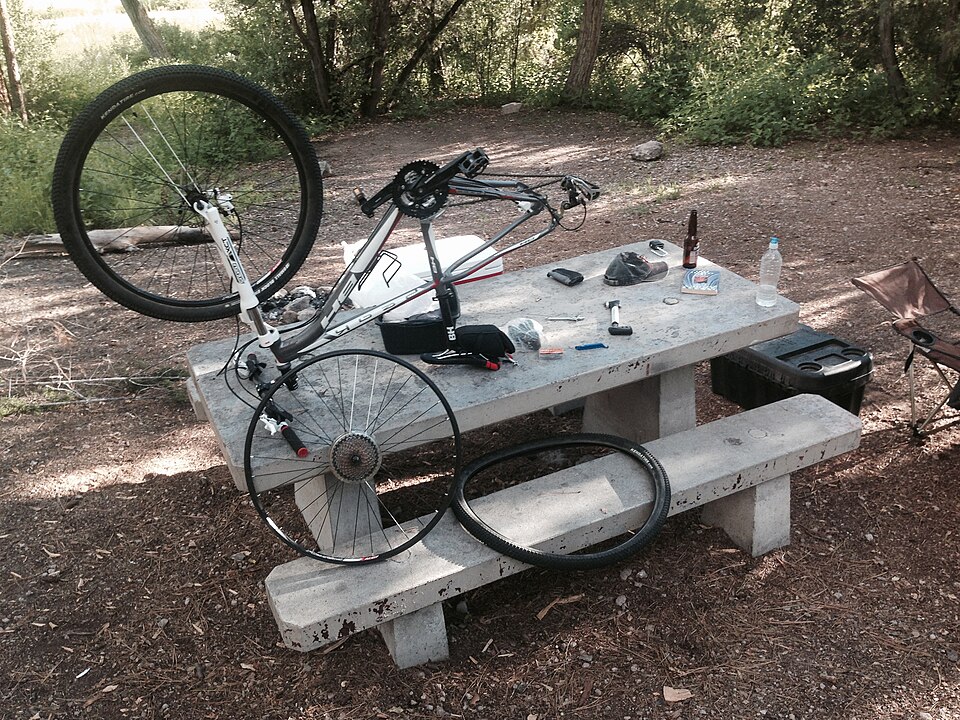
Carbon rims and rim brakes create descent heat risks
High heat from long descents with carbon rims or rim brakes can lead to dangerous pressure increases. The friction generated during extended braking creates significant heat buildup that transfers to the tire and air inside. Lowering your initial pressure before rides with these braking systems prevents over-expansion during descents. This is especially important on mountainous routes or long downhill sections where sustained braking is required.
Carbon rims present unique challenges because they conduct heat differently than aluminum rims. While carbon doesn’t transfer heat as readily to the rim brake track, it can create hot spots that affect tire pressure unevenly. The enclosed nature of carbon clincher rims can also trap heat, creating a greenhouse effect that accelerates pressure increases. Rim brakes compound this problem by generating friction directly at the point where heat most affects tire pressure. The combination can cause pressure spikes of 8-12 psi during extended descents, well beyond safe operating limits.
Professional riders in mountainous hot climates use specific strategies for these conditions. They start with pressure 2-3 psi lower than normal when using carbon rims with rim brakes on hot days. Some also use slightly wider tires at lower pressure, which provides a larger air volume that heats more slowly. During long descents, experienced riders alternate braking between both brakes rather than sustained pressure on one, and they use engine braking (riding the gears) when possible to minimize heat buildup. These techniques, combined with proper initial pressure adjustment, prevent the dangerous over-inflation that can cause blowouts on high-speed descents.
Heat accelerates rubber aging and wear
High temperatures accelerate rubber aging, requiring more frequent tire inspections. Check tires for cracks in the sidewall and tread wear regularly during hot weather periods. Heat causes rubber compounds to break down faster, reducing tire lifespan and safety margins. Look for signs of dry rot, cracking, or hardening that indicate the tire needs replacement. The accelerated aging means tires may need replacement more frequently in hot climates compared to moderate temperature regions.
Rubber compounds used in bicycle tires are particularly vulnerable to heat degradation. Temperatures above 85°F can begin to break down the chemical bonds in tire rubber, a process that accelerates dramatically above 95°F. This degradation manifests as sidewall cracking, tread hardening, and loss of elasticity. These changes reduce the tire’s ability to absorb impacts, maintain proper shape under load, and grip the road surface effectively. The combination of heat-degraded rubber and elevated operating pressures creates a dangerous situation where tires are more likely to fail catastrophically.
Regular inspection becomes critical in hot climates. Check tires weekly for small cracks in the sidewall, which indicate the rubber is breaking down. Examine the tread for hardening or glazing, which reduces grip. Feel the tire surface for soft spots or inconsistencies that might indicate internal damage. Pay special attention to areas around the bead where the tire meets the rim, as heat can cause the rubber to separate from the casing. Replace tires at the first sign of significant cracking or every 2,000-3,000 miles in hot climates, whichever comes first, to maintain safety margins. For a complete maintenance schedule, refer to our Complete Bike Maintenance Checklist Every Cyclist Should Follow.
Proper hot-weather pressure management prevents both safety hazards and performance losses. The most counter-intuitive finding is that lowering pressure actually improves both safety and performance in hot weather. Check your tire pressure tomorrow morning before your next hot-weather ride and lower it by 7 psi from your normal setting to ensure safe, optimal performance.