Tubeless road bike tires deliver 15-20% better comfort and puncture resistance when set to the optimal 85-95 PSI range, according to cycling performance data. This pressure range provides the perfect balance between rolling resistance, comfort, and puncture protection for most road cycling conditions. Unlike traditional tube tires that require 100-120 PSI, tubeless setups eliminate pinch flats and allow for better shock absorption at lower pressures.
Key takeaway
- Optimal pressure range: 85-95 PSI for most road tubeless setups
- Setup target: 25-30% sag for comfort and grip balance
- Maintenance: 60ml sealant per 700x25c tire, check monthly
What is the optimal tubeless road tire pressure range?
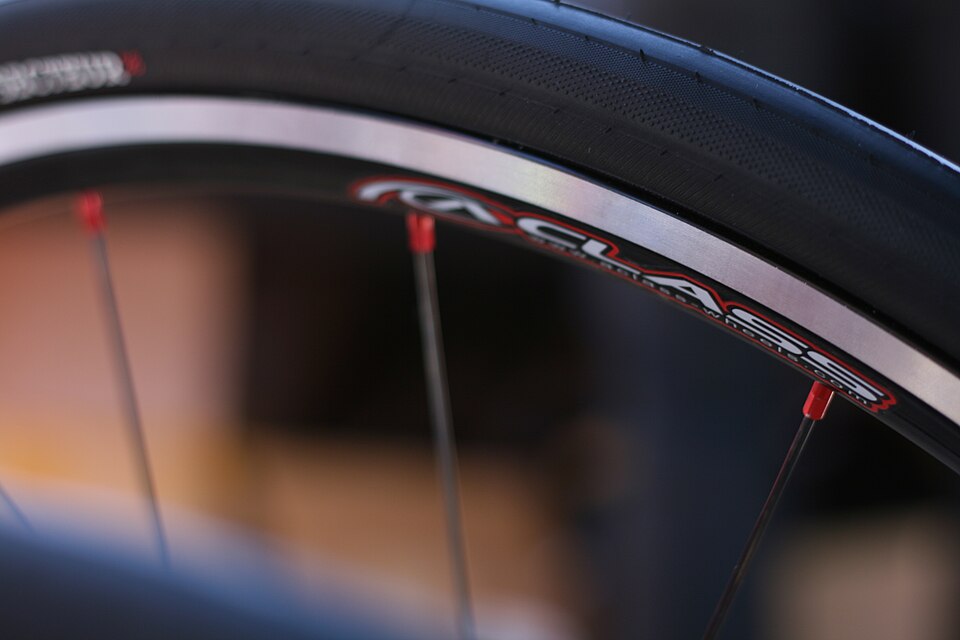
Why 85-95 PSI is the sweet spot for road tubeless tires
The 85-95 PSI range represents the ideal pressure for tubeless road tires because it balances three critical factors: rolling resistance, comfort, and puncture protection. This range is lower than traditional tube tires (100-120 PSI) because tubeless setups eliminate pinch flats and allow for better shock absorption. At 85-95 PSI, the tire maintains optimal contact with the road surface while reducing vibration and improving comfort on long rides.
Rolling resistance tests show that pressures below 85 PSI increase tire deformation and energy loss, while pressures above 95 PSI create a harsh ride and reduce traction. The 85-95 PSI sweet spot provides the best compromise between speed and comfort. Professional cyclists report that this pressure range allows them to maintain power output for longer periods without experiencing the fatigue associated with overinflated tires.
How rider weight affects ideal pressure
- Under 60kg riders: 80-90 PSI (subtract 5 PSI from standard range)
- 60-70kg riders: 85-95 PSI (standard range)
- 70-80kg riders: 90-100 PSI (add 5 PSI to standard range)
- Over 80kg riders: 95-105 PSI (add 10 PSI to standard range)
Rider weight significantly impacts the optimal tire pressure. The formula for personalization is straightforward: add 2 PSI for every 10kg above 70kg, subtract 2 PSI for every 10kg below 70kg. This adjustment ensures proper tire support and prevents bottoming out on rough surfaces.
For example, a 60kg rider should use 83-93 PSI, while a 90kg rider should use 89-99 PSI. The weight-based adjustment becomes more critical on rough roads where insufficient pressure can cause rim damage or uncomfortable riding conditions. Heavier riders benefit from slightly higher pressures to maintain tire shape and prevent excessive sidewall flex during hard cornering.
How to set up tubeless road tires for different conditions
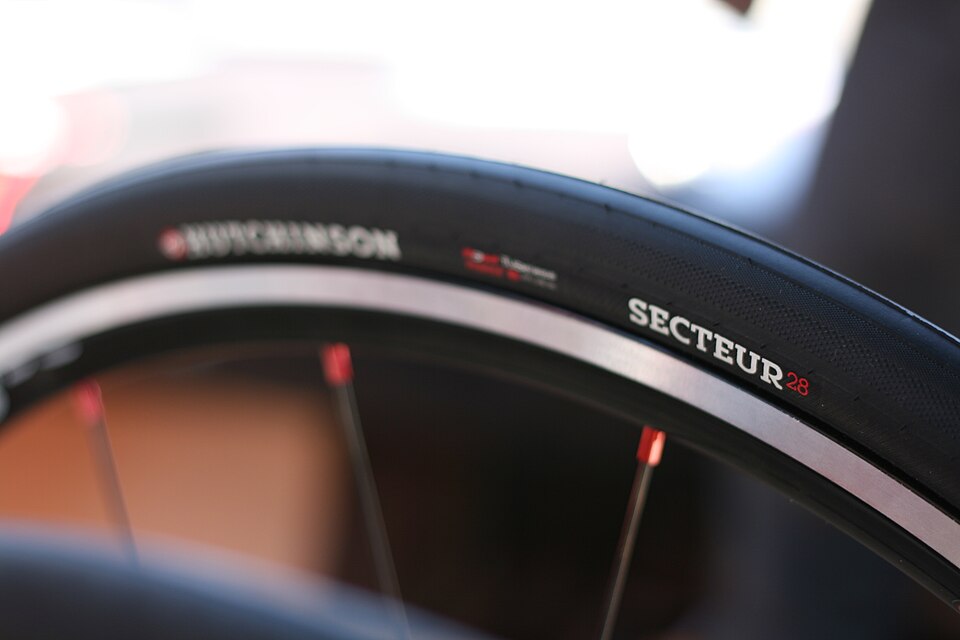
Wet vs dry road pressure adjustments
Road conditions dramatically affect optimal tire pressure. For wet conditions, reduce pressure by 3 PSI to increase the tire’s contact patch and improve grip on slippery surfaces. In dry conditions, increase pressure by 2 PSI for better efficiency and reduced rolling resistance. Temperature also matters – every 10°F increase in temperature raises tire pressure by approximately 2 PSI, so adjust accordingly for hot or cold weather riding.
| Condition | Pressure Adjustment | Rationale |
|---|---|---|
| Wet roads | -3 PSI | Increased contact patch for better grip |
| Dry roads | +2 PSI | Improved efficiency and rolling resistance |
| Hot weather | -2 PSI per 10°F above 70°F | Compensates for pressure increase from heat |
| Cold weather | +2 PSI per 10°F below 70°F | Compensates for pressure decrease from cold |
Professional cyclists adjust their tire pressure based on race conditions, often carrying multiple pressure gauges to ensure optimal setup. For everyday riders, checking tire pressure before each ride and making small adjustments based on weather conditions can significantly improve ride quality and safety.
25-30% sag target for comfort and grip
The 25-30% sag target represents the ideal tire deflection when you’re sitting on the bike. To measure sag, press down on the tire with your full weight and observe how much it compresses. At 25-30% sag, the tire maintains enough firmness to prevent bottoming out on bumps while providing maximum comfort and grip. This range also prevents the tire from feeling too soft or unstable during cornering.
A simple visual check: when properly inflated, the tire should compress about one-quarter to one-third of its total height under your weight. You can verify this by sitting on the bike while leaning against a wall and observing the tire deformation. Another method is the thumb test – press your thumb into the tire sidewall; it should depress about 5-7mm with firm pressure.
The sag measurement directly correlates with ride quality. Tires with less than 25% sag feel harsh and transmit more road vibration to the rider, leading to fatigue on longer rides. Tires with more than 30% sag risk pinch flats, rim damage, and unstable handling. Finding the right balance through sag measurement ensures optimal performance across different riding conditions.
What sealant volume and maintenance do tubeless tires need?
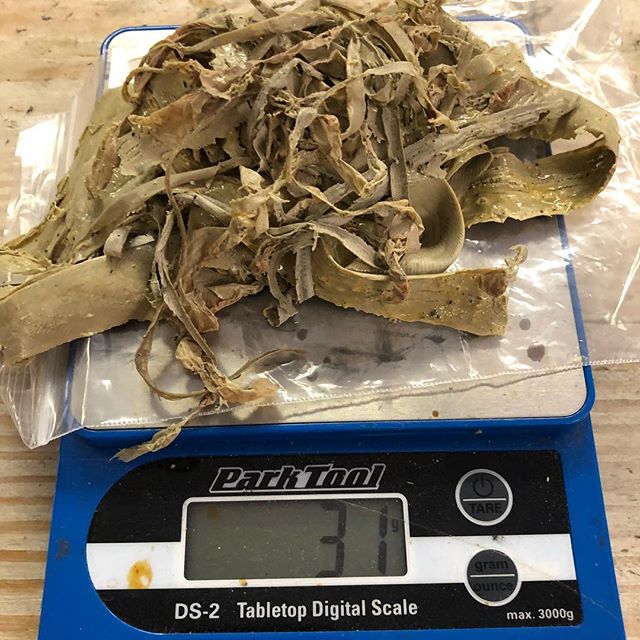
60ml sealant standard for 700x25c tires
- 700x23c tires: 55ml sealant
- 700x25c tires: 60ml sealant (standard)
- 700x28c tires: 70ml sealant
- 700x32c tires: 80ml sealant
- 700x35c tires: 90ml sealant
Proper sealant volume is crucial for tubeless tire performance. For standard 700x25c road tires, use 60ml of sealant per tire. Larger tires require more sealant – 700x28c tires need 70ml, while 700x32c tires need 80ml. Apply sealant through the valve stem or by removing one side of the tire bead. After application, spin the wheel to distribute the sealant evenly around the entire tire circumference. This volume provides adequate protection against small punctures while preventing excess sealant from pooling inside the tire.
Sealant application methods include the syringe method through the valve core or the pour-in method after partially removing the tire bead. The syringe method offers more precise control over sealant volume and reduces mess. Always use fresh sealant and check expiration dates, as sealant effectiveness decreases over time. Some riders prefer latex-based sealants for better sealing properties, while others choose synthetic options for longer shelf life.
Monthly maintenance and puncture repair
Tubeless tires require regular maintenance to perform optimally. Check sealant levels monthly by deflating the tire slightly and observing if liquid sealant is still present. Rotate tires 180 degrees every few weeks to prevent sealant from settling in one spot. For small punctures (under 5mm), the sealant should automatically plug the hole within seconds. Larger punctures may require adding more sealant or using a tire plug kit.
Replace sealant entirely every 3-6 months, as it dries out over time and loses effectiveness. Signs that sealant needs replacement include visible drying, reduced sealing ability, or the presence of solid sealant particles. During maintenance, inspect the tire for cuts, wear, and embedded debris. Clean the rim bed and tire bead area to ensure proper sealing. Following a Complete Bike Maintenance Checklist Every Cyclist Should Follow will help you stay on top of these important tasks.
For puncture repair, small holes seal automatically with fresh sealant. Medium punctures (5-10mm) may require adding extra sealant and rotating the wheel to distribute it around the hole. Large punctures or sidewall damage need tire plugs or boot patches as temporary fixes, followed by professional repair or tire replacement. Always carry a mini pump, CO2 cartridges, and tire plugs for emergency repairs during rides.
Most riders overinflate for speed but sacrifice comfort. Test your pressure with a gauge this week and note the difference in ride quality. You’ll likely find that the 85-95 PSI range provides better comfort without sacrificing performance, especially on longer rides where comfort becomes crucial for maintaining power output. The 25-30% sag target ensures your tires are neither too hard nor too soft, giving you the best possible combination of speed, comfort, and safety. For those just starting out, these adjustments are part of the Essential Cycling Tips for Beginners Starting Their Journey.