Beginner cycling training without a power meter focuses on Rate of Perceived Exertion (RPE), a subjective 1–10 scale based on how your body feels, your breathing rate, and muscle fatigue. Using RPE, or “training by feel,” allows beginners to build endurance and structure without expensive equipment. For those just starting out, Essential Cycling Tips for Beginners Starting Their Journey can provide additional guidance on getting started safely.
Key Takeaway
-
RPE scale (1-10) lets beginners train effectively without power meters using body feel and breathing rate
-
8-week beginner plan: 30-45 minute rides at RPE 3-4, progressing to intervals at RPE 7-8
-
Talk test correlates with RPE: easy conversation = RPE 3-4, broken phrases = RPE 7-8
-
Consistency beats perfection: 3 days/week beats perfect plan skipped
-
Recovery essential: 1-2 rest days prevent burnout
What is RPE and How Does it Work for Beginner Cyclists?
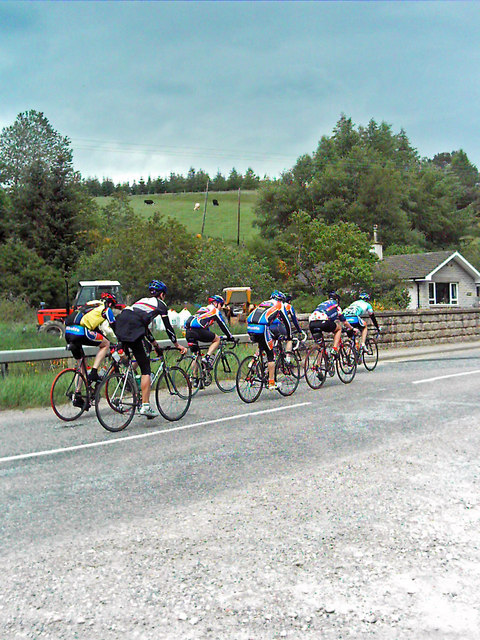
Rate of Perceived Exertion (RPE) is a subjective 1-10 scale that measures how hard you feel you’re working during exercise. For beginner cyclists, RPE provides a simple way to gauge effort without needing expensive gadgets like power meters or heart rate monitors. The scale is based on your breathing rate, muscle fatigue, and overall body feel during your ride. Developed by Swedish psychologist Gunnar Borg in the 1960s, RPE has become a cornerstone of exercise prescription because it responds to your body’s current state, accounting for factors like sleep quality, stress, and nutrition that affect performance.
RPE Scale Breakdown: 1-10 Levels Explained
-
1-2 (Very Light): Walking pace, minimal effort. You could ride for hours at this level without fatigue. This is perfect for warm-ups or recovery rides. At this intensity, your heart rate is barely elevated, and you can easily carry on a conversation or even sing.
-
3-4 (Light/Moderate): Conversational pace where you can talk easily with a riding partner. This is your “all-day” endurance pace for building base fitness. At this level, you’re developing aerobic capacity without accumulating significant fatigue. Your breathing is slightly elevated but still comfortable, and you could maintain this pace for 2-3 hours or more.
-
5-6 (Moderate/Hard): Tempo pace where breathing becomes heavier but you can still speak in short sentences. Good for building aerobic capacity. This is often called “sweet spot” training because it’s challenging but sustainable for extended periods. You’ll notice your breathing rate increase, and you might start to sweat lightly, but you can still maintain a conversation with some effort.
-
7-8 (Hard): Threshold effort where breathing is labored and you can only speak in single words. This builds speed and climbing ability. At this intensity, you’re working at your lactate threshold, the maximum pace you can sustain for about 30-60 minutes. Your breathing is deep and rapid, and you’ll definitely be sweating.
-
9-10 (Very Hard/All-Out): Maximum effort for sprints or short climbs. You’re working at your absolute limit and can barely breathe. This intensity is only sustainable for seconds to minutes and should be used sparingly. Your muscles burn, your breathing is gasping, and you’re producing maximum power output.
Talk Test: Simple Way to Gauge RPE Without Gadgets
The talk test is a practical way to estimate your RPE level without any equipment. If you can carry on a normal conversation with your riding partner, you’re likely at RPE 3-4, which is perfect for endurance building. When you can only speak in short phrases or broken sentences, you’ve moved into the RPE 5-6 range. If you can only manage single words between breaths, you’re at RPE 7-8, working at a hard threshold effort. The talk test helps beginners stay in the right training zones naturally, making RPE accessible to everyone. Research shows the talk test correlates with heart rate zones within 5-10 beats per minute, making it remarkably accurate for most training purposes. For example, if you’re riding with a friend and can easily discuss weekend plans, you’re in the right zone for base building. If you’re struggling to say more than “yes” or “no” between breaths, you’re likely at the right intensity for interval training.
8-Week Beginner RPE-Based Training Plan
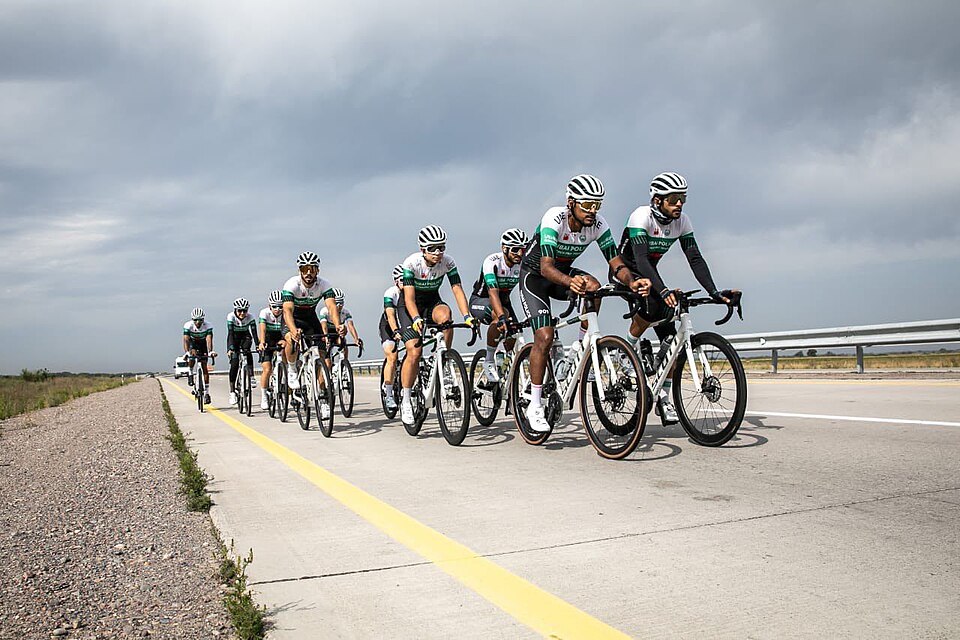
This 8-week plan builds cycling fitness progressively using RPE as your guide. Each week focuses on gradually increasing your riding time and introducing new training elements while keeping intensity manageable for beginners. The plan assumes you’re starting from a basic fitness level with no structured cycling training experience. Before starting, ensure your bike is properly fitted and you have basic cycling skills for safety. Finding the best cycling routes near you can make your training more enjoyable and help you stay motivated.
Weeks 1-4: Foundation Building (30-45 min at RPE 3-4)
-
Ride 3 days per week, starting with 30-minute sessions and building to 45 minutes by week 4
-
Keep all rides at RPE 3-4 (conversational pace) to build aerobic base
-
Focus on consistent, easy spinning rather than speed or distance
-
Choose flat, low-traffic routes to maintain steady effort
-
Include 1-2 rest days between rides for recovery
-
Track your progress by noting how much easier these same rides feel after 2-3 weeks
-
Week 1 example: Monday 30 min, Wednesday 30 min, Saturday 30 min at RPE 3-4
-
Week 4 example: Monday 40 min, Wednesday 40 min, Saturday 45 min at RPE 3-4
Weeks 5-8: Progressive Intensity and Intervals
-
Continue 3 rides per week but add structure to one midweek session
-
Weeks 5-6: Add 2-3 sets of 10-minute efforts at RPE 5-6 (moderate/hard) with 5 minutes easy spinning between
-
Weeks 7-8: Introduce 3-4 minute hill repeats or intervals at RPE 7-8 (hard)
-
Gradually increase weekend ride to 1.5-2 hours at RPE 3-4 (endurance pace)
-
Maintain easy pace on other rides to balance harder efforts
-
Listen to your body and adjust intensity if you feel unusually fatigued
-
Week 5 example: Tuesday 45 min easy, Thursday 45 min with 2×10 min at RPE 5-6, Saturday 60 min easy
-
Week 8 example: Tuesday 45 min easy, Thursday 45 min with 3×4 min hills at RPE 7-8, Saturday 90 min easy
Key Training Principles for RPE Success
Success with RPE-based training comes from understanding and applying key principles that help you progress safely while avoiding burnout or injury. These principles apply whether you’re training for fitness, weight loss, or preparing for your first cycling event. The beauty of RPE training is that it adapts to your current fitness level and daily condition, making it ideal for beginners who may have fluctuating energy levels — road cycling.
Consistency Over Perfection: The 3-Day Rule
A manageable training plan you follow consistently beats a perfect plan you skip. For beginners, riding 3 days per week at the right intensity is far more effective than attempting 5-6 days and burning out. The “3-day rule” means showing up for your scheduled rides even when motivation is low. Missing one workout won’t derail your progress, but missing multiple workouts due to an overly ambitious plan will. Build the habit first, then gradually increase volume and intensity as your fitness improves. Studies show that beginners who train 3 days per week for 12 weeks achieve similar fitness gains to those training 5 days per week, but with significantly lower dropout rates. The key is making cycling a sustainable part of your lifestyle rather than a short-term fitness experiment.
Recovery and Rest Days: Essential for Progress
-
Always include at least 1-2 complete rest days per week to prevent overtraining
-
Rest days allow your muscles to repair and grow stronger
-
Listen to your body—if you feel unusually fatigued, take an extra rest day
-
Active recovery like easy walking is fine, but avoid any structured exercise
-
Sleep quality directly impacts recovery, aim for 7-9 hours nightly
-
Proper nutrition on rest days supports muscle repair and glycogen replenishment
-
Dehydration can mask itself as fatigue, so maintain good hydration habits
Workout Structure: Warm-up, Intervals, Cool-down
-
Warm-up: 10-15 minutes easy spinning at RPE 2-3 to prepare your body
-
Main effort: Structured intervals at target RPE (5-6 for tempo, 7-8 for threshold)
-
Recovery between intervals: 5 minutes easy spinning at RPE 2-3
-
Cool-down: 10 minutes easy spinning at RPE 1-2 to gradually lower heart rate
-
Example workout: 3 x 5 minutes at RPE 7 with 5 minutes easy spinning between, followed by 10-minute cool-down
-
Progression tip: Increase interval duration by 1-2 minutes every 2-3 weeks as fitness improves
-
Safety note: Always perform intervals on safe routes away from heavy traffic
The most surprising finding about RPE training is that beginners often achieve better results than those using power meters. Without the pressure of hitting specific numbers, RPE training encourages listening to your body and building sustainable habits. The key action step is to start with just three 30-minute rides this week at RPE 3-4, focusing on consistency rather than intensity. Track your progress by noting how much easier these same rides feel after 2-3 weeks—that’s your fitness improving through proper RPE-based training. Remember that every cyclist progresses at their own pace, and the goal is to enjoy the journey while building lasting fitness.