For cold weather road cycling, the key is to lower your tire pressure to increase traction on slippery surfaces and improve comfort on winter roads. Expert recommendations suggest dropping your PSI by 10–15 PSI compared to your summer settings.
Key Takeaway
-
Drop tire pressure by 10-15 PSI from summer settings for winter riding
-
28mm tires: 70-75 PSI, 30mm tires: 60-65 PSI for typical winter conditions
-
Tire pressure drops 1 PSI for every 10-degree Fahrenheit temperature decrease
How Much Should You Lower Tire Pressure for Winter Riding?
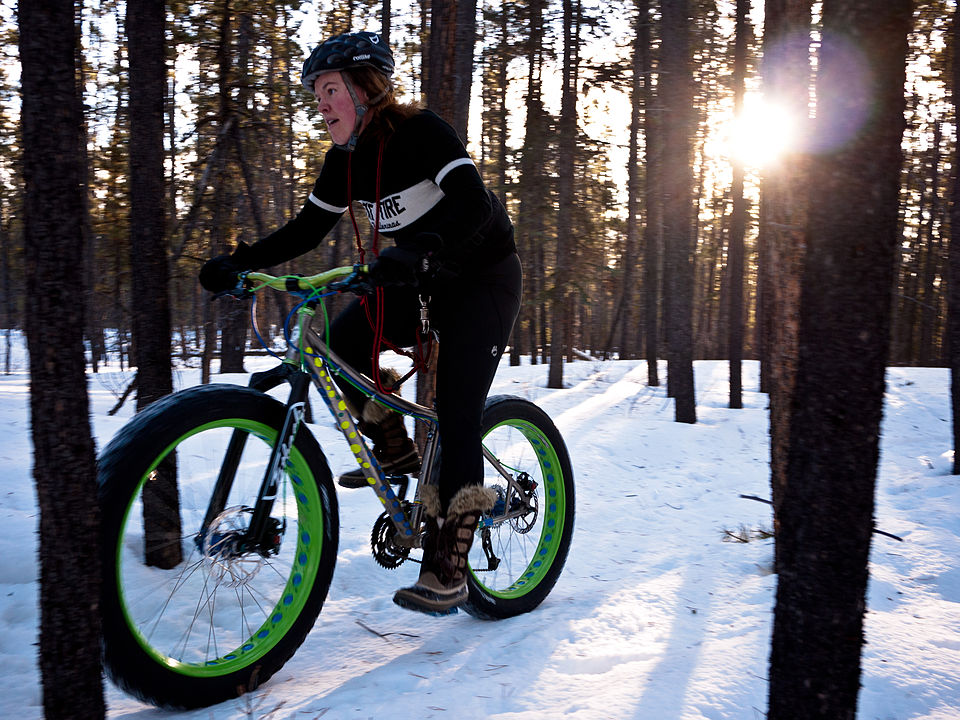
Adjusting your tire pressure for winter conditions is crucial for maintaining control and comfort on cold, potentially slippery roads. The standard recommendation is to drop your PSI by 10–15 PSI compared to your summer settings. This reduction creates a larger contact patch between the tire and the road, which is essential for handling in wet or icy conditions.
10-15 PSI Drop from Summer Settings: The Standard Adjustment
When temperatures drop, your tires need different pressure to maintain optimal performance. The 10–15 PSI reduction from your summer settings is based on the physics of how tires interact with road surfaces in cold conditions. Lower pressure allows the tire to deform more easily, creating a larger contact patch that grips the road better. This is particularly important when riding on wet leaves, frost, or the occasional patch of ice that can appear on winter roads.
The adjustment also improves comfort significantly. Winter roads are often rougher due to freeze-thaw cycles, potholes, and debris. Lower pressure helps absorb these imperfections, reducing fatigue and making your ride more enjoyable. Many cyclists report that their winter rides feel more controlled and less jarring when they make this pressure adjustment.
Consider the science behind this recommendation: when you lower tire pressure, you increase the tire’s surface area in contact with the road. This larger contact patch distributes your weight over more rubber, improving grip on slippery surfaces. The deformation of the tire also creates a damping effect that smooths out road vibrations, which is especially valuable when riding on winter-damaged pavement.
Professional cyclists and bike mechanics often recommend starting with the 10-15 PSI reduction and then fine-tuning based on your specific conditions. If you’re riding on particularly rough roads or in areas with frequent temperature fluctuations, you might find that a slightly larger reduction provides even better comfort and control. For optimal winter performance, consider following a Complete Bike Maintenance Checklist Every Cyclist Should Follow before the season begins.
Specific PSI Recommendations by Tire Width
|
Tire Width |
Recommended Winter PSI |
Optimal Conditions |
Notes |
|---|---|---|---|
|
25mm |
75-80 PSI |
Dry, cold roads |
Traditional racing width |
|
28mm |
70-75 PSI |
Most common winter width |
Good balance of speed and comfort |
|
30mm |
60-65 PSI |
Rough winter roads |
Maximum comfort and traction |
|
32mm+ |
55-60 PSI |
Very rough conditions |
Gravel bike territory |
The relationship between tire width and optimal pressure is based on the tire’s volume and construction. Wider tires can run at lower pressures because they have more air volume to support the rider’s weight. This means a 30mm tire at 65 PSI will feel much more comfortable than a 25mm tire at the same pressure.
Many cyclists are surprised to learn that wider tires at lower pressures can actually be faster than narrow tires at high pressures, especially on rough winter roads. The reason is that high pressure causes the bike to bounce over small bumps, which wastes energy. Lower pressure allows the tire to roll over imperfections smoothly, maintaining momentum and reducing fatigue.
What Factors Affect Tire Pressure in Cold Weather?
Several factors beyond just temperature affect how you should set your tire pressure for winter riding. Understanding these variables will help you fine-tune your setup for optimal performance and safety.
Temperature Effects: 1 PSI Drop Per 10°F Decrease
-
Temperature Impact: Tire pressure drops by approximately 1 PSI for every 10-degree Fahrenheit drop in temperature. This means if you set your pressure in a warm garage and then ride in freezing conditions, your pressure could be significantly lower than intended.
-
Pre-Ride Checks: Always check your tire pressure before every winter ride. The temperature difference between your storage area and the outside environment can be substantial, and pressure can change throughout the day as temperatures fluctuate.
-
Morning vs Afternoon: If you ride in the morning when it’s coldest, your pressure will be lower than during afternoon rides. Plan accordingly and adjust if you’re riding across different temperature conditions.
-
Storage Temperature: Where you store your bike affects your starting pressure. A bike stored in a heated garage will have higher pressure than one stored in an unheated shed, even before you ride.
The temperature effect is particularly important in winter because temperature swings can be dramatic. A 30-degree temperature drop could reduce your tire pressure by 3 PSI, which is enough to affect handling and comfort. This is why professional mechanics often recommend checking pressure multiple times during long winter rides or stage races.
Rider Weight and Tubeless Advantages
-
Weight Adjustments: If you are a heavier rider (over 85 kg / 187 lbs), increase your pressure slightly (+0.5 to +1 bar) to avoid pinch flats. The general recommendation assumes an average rider weight of around 70kg/155lbs.
-
Tubeless Benefits: Running tubeless tires allows for lower pressures without the risk of pinch flats. This is particularly advantageous in winter when you want maximum traction and comfort. Tubeless setups also seal small punctures automatically, which is helpful when debris is more common on winter roads.
-
Pressure Monitoring: Consider using a digital pressure gauge for more accurate readings. Small differences in pressure can affect performance, especially in challenging winter conditions.
-
Road Surface Considerations: The rougher and more debris-filled the road, the more you might want to consider tubeless setups or slightly higher pressures to prevent punctures.
Weight distribution affects pressure requirements significantly. A 200-pound rider will need substantially different pressure than a 120-pound rider, even with the same tire width. The formula for optimal pressure often includes weight as a key variable, with heavier riders needing proportionally more pressure to support their weight without bottoming out on the rim.
How Should You Adjust Front vs Rear Tire Pressure?
Weight distribution on your bike affects how pressure should be distributed between your front and rear tires. Understanding this difference helps optimize your bike’s handling and performance.
Rear Tire 0.5 Bar Higher Than Front: Weight Distribution
The rear tire should be inflated slightly more—about 0.5 bar (7 psi) higher—than the front tire. This difference accounts for the fact that the rear tire bears more weight, especially when you’re riding in the saddle. The additional pressure in the rear helps prevent pinch flats and maintains proper tire shape under load.
This pressure differential becomes even more important in winter conditions. The rear tire experiences more force during acceleration and climbing, and the extra pressure helps maintain efficiency and prevents excessive tire deformation that could lead to handling issues on slippery surfaces.
Weight distribution varies significantly based on riding position. When riding in the drops, more weight shifts to the front wheel, while riding in the saddle moves more weight to the rear. This is why the 0.5 bar difference is a general guideline rather than a strict rule—your ideal setup might vary based on your riding style and position.
Consider also that the front tire is crucial for steering and braking. Too much pressure in the front can reduce traction when cornering or braking, while too little pressure can make the bike feel unstable. The 0.5 bar difference provides a good balance between stability and traction for most riders.
Modern Wide Tires vs Historical High Pressure Racing
Historically, racers used high pressure (100+ PSI) because narrow tires were the norm and higher pressure reduced rolling resistance on smooth surfaces. However, modern wider tires have changed this paradigm significantly. Today’s 28mm and 30mm tires are more comfortable and just as fast at lower pressures, especially on the imperfect winter roads you’ll encounter.
The wider tires provide better traction and comfort at lower pressures, making them ideal for winter riding. They also roll more efficiently over rough surfaces because they can deform to absorb bumps rather than bouncing, which actually saves energy compared to the older high-pressure approach on rough winter roads.
Professional cycling has evolved significantly in recent years regarding tire pressure. What was once considered standard practice (100+ PSI in narrow tires) has been largely abandoned in favor of wider tires at lower pressures. This shift has been driven by both performance data and rider feedback about comfort and control.
The physics behind this change is fascinating. At very high pressures, tires become so hard that they can’t conform to road surfaces. This creates a small contact patch and causes the bike to bounce over imperfections. At optimal lower pressures, the tire can deform to maintain contact with the road, providing better traction and a smoother ride.
The most surprising finding is that lower tire pressure in winter actually improves both safety and speed, contrary to what many cyclists might expect. The key action step is to check your tire pressure before every winter ride and adjust it based on the current temperature—you’ll notice immediate improvements in traction and comfort that make winter cycling much more enjoyable and safe.