Gravel cycling demands precise tire pressure control to maximize comfort, control, and efficiency across varied terrain. The right pressure transforms rough trails into smooth rides while preventing pinch flats and maintaining traction on loose surfaces.
Key Takeaway
-
Tubeless setups allow 25-50 PSI for gravel riding, eliminating pinch flats while improving traction
-
Rider weight, tire width, and rim type determine optimal pressure – heavier riders need higher PSI
-
Hookless rims have maximum pressure limits around 72.5 PSI, affecting tubeless setup choices
What tire pressure should you use for gravel riding?
Tubeless vs clincher: why pressure matters differently
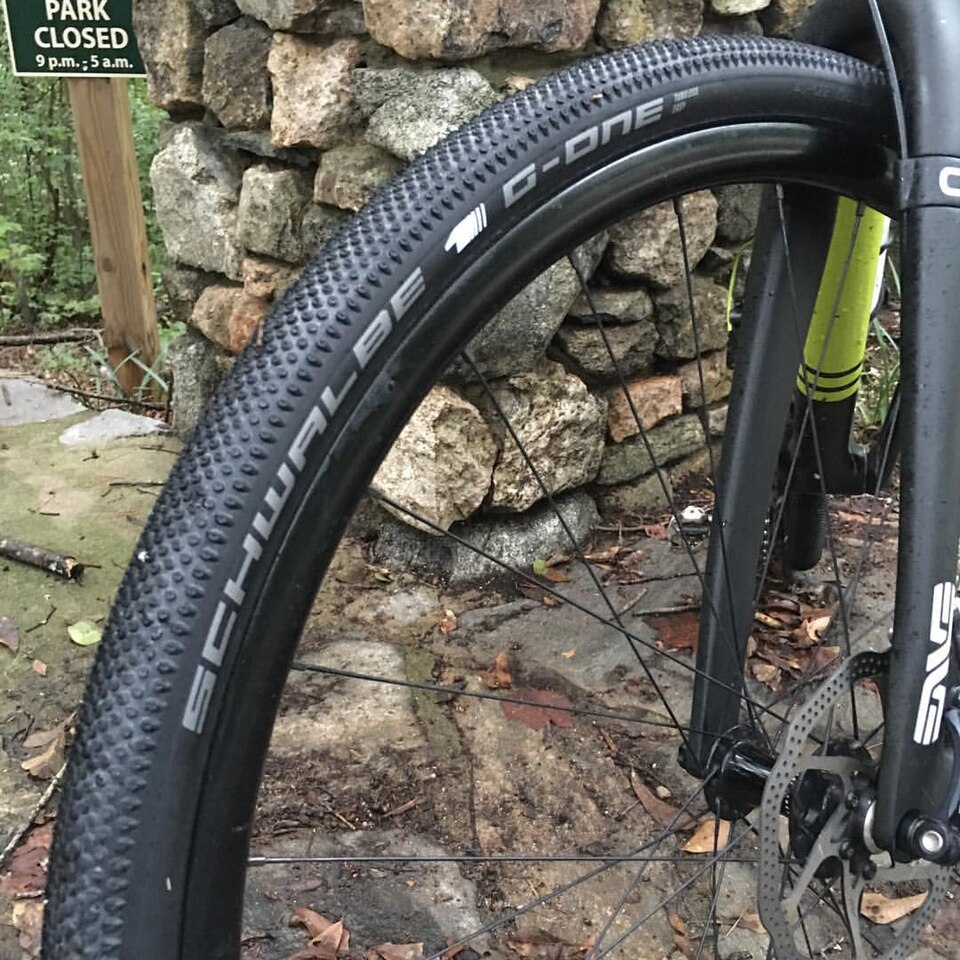
Tubeless setups revolutionize gravel riding by allowing significantly lower pressures without the risk of pinch flats that plague traditional clincher tires. In a tubeless system, sealant fills small punctures automatically while the absence of an inner tube means you can run pressures as low as 25-30 PSI without fear of bottoming out on rocks or roots. Traditional clinchers require higher pressures, typically 40-50 PSI minimum, to prevent pinch flats when hitting obstacles. This pressure difference translates to dramatically improved comfort and traction on rough terrain – tubeless riders experience better grip through corners, smoother rolling over washboard sections, and reduced fatigue on long gravel adventures. The sealant also provides peace of mind on remote trails where a flat tire could mean a long walk home. Professional gravel racers have documented 15-20% improvements in average speed when switching from tubed to tubeless setups, primarily due to the ability to maintain momentum through rough sections rather than bouncing off obstacles.
Starting pressure ranges for different gravel conditions
-
Smooth pavement transitions: 40-45 PSI for mixed terrain rides that include road sections
-
Hard-packed gravel roads: 35-40 PSI provides efficient rolling with adequate comfort
-
Loose gravel and dirt: 30-35 PSI increases contact patch for better traction
-
Mud and soft surfaces: 25-30 PSI maximizes grip and flotation
-
Rocky technical terrain: 28-32 PSI balances protection with traction
Rider weight significantly impacts these ranges – heavier riders (200+ lbs) should add 3-5 PSI to each recommendation, while lighter riders (under 150 lbs) can subtract 2-3 PSI. Wider tires (40-45mm) can run 5-8 PSI lower than narrower 35-38mm tires while maintaining the same level of pinch flat protection. Temperature also affects pressure – for every 10°F drop in temperature, tire pressure decreases by approximately 2%, so riders in cold climates may need to start 2-3 PSI higher than calculated. Front and rear tire pressures often differ slightly, with many riders preferring 1-2 PSI lower pressure in the front tire for improved comfort and steering precision on rough terrain.
How do hookless rims affect your tire pressure limits?
Maximum pressure limits for hookless vs hooked rims
|
Setup Type |
Maximum Pressure |
Typical Use |
Key Considerations |
|---|---|---|---|
|
Hookless Rims |
65-72.5 PSI (4.5-5 BAR) |
Gravel, All-road |
Requires tubeless-specific tires, lower max pressure |
|
Hooked Rims |
80+ PSI (5.5+ BAR) |
Gravel, Road |
Compatible with more tire options, higher pressure tolerance |
|
Road Tubeless |
60-65 PSI (4-4.5 BAR) |
Pavement, Racing |
Optimized for smooth surfaces, lower rolling resistance |
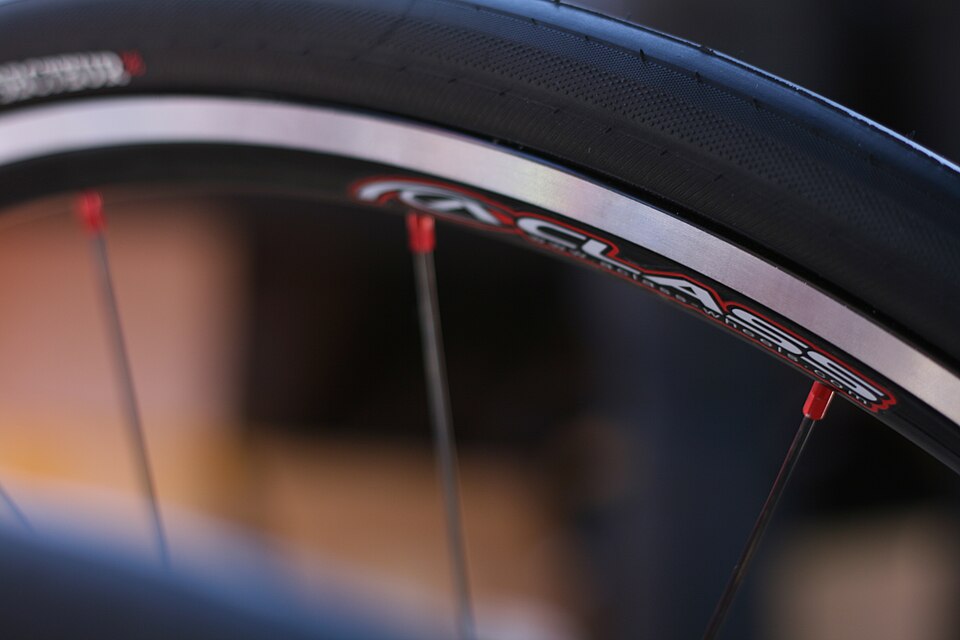
Hookless rims feature straight sidewall profiles that require specific tire designs and impose lower maximum pressure limits compared to traditional hooked rims. The 72.5 PSI (5 BAR) limit for hookless setups exists because higher pressures can cause the tire bead to unseat from the rim under extreme force. Some manufacturers recommend even lower limits of 65 PSI for wider tires on hookless rims to ensure safety. Hooked rims, with their curved sidewall profiles, can safely handle pressures exceeding 80 PSI, making them more versatile for riders who occasionally switch between gravel and road riding. Road tubeless setups typically max out around 60-65 PSI regardless of rim type, as higher pressures offer diminishing returns on pavement and can reduce comfort. The pressure limitations of hookless rims have led to innovations in tire design, with manufacturers developing stiffer bead constructions and optimized casing materials specifically for these systems — road cycling.
Rim width and tire volume: finding your sweet spot
Rim internal width dramatically affects optimal tire pressure by changing the tire’s overall volume and shape. Wider internal rim widths (25mm+) create a more stable, squared-off tire profile that can be run at lower pressures while maintaining good handling characteristics. A 40mm tire on a 25mm internal width rim will feel more stable and comfortable at 30 PSI than the same tire on a 19mm internal width rim at 35 PSI. Tire casing volume also matters – high-volume tires with supple casings can be run significantly softer than stiff, low-volume tires. The relationship between rim width and tire width follows a general rule: for every 2.5mm increase in internal rim width, you can typically reduce pressure by 1 PSI while maintaining the same level of pinch flat protection. This means a rider switching from 23mm to 28mm internal width rims could drop pressure by 2 PSI across their entire pressure range. Additionally, wider rims reduce the tendency for tires to squirm under hard cornering, allowing for more confident handling at lower pressures.
What tools help you dial in perfect gravel tire pressure?
Top tire pressure calculators for gravel bikes
-
SILCA Pro Tire Pressure Calculator: Considers rider weight, bike weight, tire size, rim width, and riding surface to provide precise pressure recommendations. The calculator uses algorithms developed with professional mechanics and accounts for the non-linear relationship between pressure and comfort.
-
SRAM AXS Tire Pressure Tool: Integrates with SRAM’s AXS ecosystem, factoring in rider weight and tire dimensions for gravel and road applications. The tool provides separate recommendations for tubeless and tubed setups, with pressure differences of 4-6 PSI between the two.
-
ENVE Pressure Calculator: Optimized for ENVE rims, includes terrain-specific recommendations and hookless rim pressure limits. The calculator accounts for the specific bead seat diameter of ENVE rims and provides warnings when suggested pressures exceed safe limits.
-
Wolf Tooth Components Calculator: Simple interface focusing on weight and tire size, with separate settings for tubeless and tubed setups. The tool provides a pressure range rather than a single number, acknowledging the subjective nature of optimal pressure.
-
Rene Herse Cycles Calculator: Gravel-specific tool that accounts for terrain roughness and riding style preferences. The calculator includes options for different riding styles from endurance to racing, with pressure differences of up to 8 PSI between these settings.
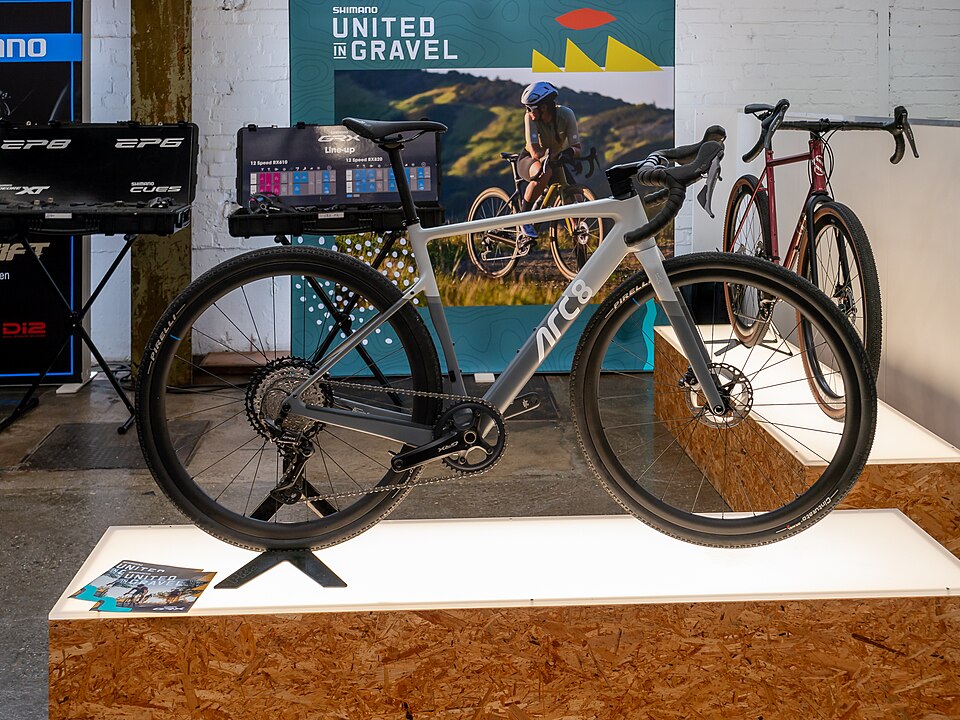
These calculators share common inputs: rider weight (including gear), tire width, rim internal width, and riding conditions. Most provide pressure recommendations in 1-2 PSI increments, allowing for fine-tuning based on personal preference. The calculators typically suggest starting pressures, then recommend testing and adjusting based on feel and performance. For tubeless setups, they often provide separate recommendations for front and rear tires, with slightly lower pressure suggested for the front to improve comfort and handling. Some advanced calculators now incorporate weather conditions and elevation changes, as atmospheric pressure affects tire pressure by approximately 0.5 PSI per 1000 feet of elevation gain.
Testing and adjusting pressure on the trail
Field testing represents the most reliable method for finding your perfect gravel tire pressure. Start with the calculator’s recommendation or use the weight-based formula: (Rider weight in lbs / 10) + 15 PSI as a baseline for 40mm tires. Begin your ride at this pressure, then systematically reduce pressure by 2 PSI increments during the first 30 minutes of riding. Pay attention to how the bike feels through corners, over washboard sections, and on climbs. You’ll notice improved comfort and traction as pressure decreases, but there’s a tipping point where the tire feels unstable or you risk pinch flats. That sweet spot typically falls 4-6 PSI below your starting pressure. Terrain changes throughout a ride may require pressure adjustments – you might add 2-3 PSI for long pavement sections or drop pressure further for particularly rough descents. Keep notes on what works for different conditions to build your personal pressure database. Professional gravel racers often carry compact pumps and adjust pressures multiple times during long events based on changing conditions and fatigue levels.
The most surprising finding about gravel tire pressure is how dramatically small adjustments affect ride quality – a mere 2 PSI difference can transform a harsh, bouncing ride into a smooth, planted experience. Many riders discover they’ve been running pressures 5-8 PSI too high for years, sacrificing comfort and control for perceived efficiency. The actionable step: this weekend, take your gravel bike and a pump to your favorite trail, start with your normal pressure, then reduce by 2 PSI increments over your first hour of riding. Note where the bike feels most planted and comfortable – that’s your new baseline pressure for those conditions. Consider marking your ideal pressure on the rim with a paint pen for quick reference during rides.